


Epilators and IPL devices are two of the most popular ways to get smooth skin at home - but they work in completely different ways and suit different people. One removes hair from the root for weeks of smoothness, the other reduces regrowth over time for longer-lasting results. This guide explains how each one works, how they compare, and which is the better fit for your skin, your hair and your routine.
Epilator or IPL - the short answer
If you want smooth skin straight away that lasts for weeks, and you'd like something that works on every skin tone and hair colour, an epilator is the way to go. If you want to reduce how much hair grows back over time, and your skin and hair colour suit it, IPL is the better long-term option.
Neither is better across the board. The right choice comes down to the results you want, how your skin and hair respond, and how much time you're happy to put into your routine.
How an epilator works
An epilator is a handheld device with a head full of small rotating tweezers. As you glide it over your skin, the tweezers grab multiple hairs at once and pull them out from the root - a bit like waxing, but without the wax, the mess or the salon appointment.
Because hair is removed from the root, it takes longer to grow back than it does after shaving, leaving skin smooth for up to four weeks. Many people also find that regrowth feels finer and softer with regular use.
What you get from an epilator:
- Smooth skin straight away, with results that last for weeks
- Hair removal that works on every skin tone and hair colour
- Wet and dry models you can use in the bath or shower
- Attachments for the legs, underarms, bikini line and, on some models, the face
- A lower upfront cost and no ongoing salon bills
How IPL works
IPL stands for intense pulsed light. An IPL device sends gentle pulses of light into the skin, where they're absorbed by the pigment in the hair. The light turns into heat, which sends the hair follicle into a resting phase and reduces regrowth over time.
Results build gradually. After a few weeks of regular treatments, you'll start to notice hair growing back finer, slower and sparser. Once you've completed the initial treatment phase, occasional top-up treatments help maintain your results.
What you get from IPL:
- Long-term hair reduction, rather than temporary removal
- Less time spent on hair removal once your results have built up
- A gentler sensation than epilating or waxing for most people
- Skin tone sensors and adjustable intensity on many devices
- Salon-style treatments in the comfort of your own home
For a closer look at IPL features and how to choose a device, see our IPL buying guide.
Epilator vs IPL at a glance
Here's how the two compare side by side
Epilator
A handheld device with rotating tweezers that pull hair out from the root.
IPL
Intense pulsed light that targets the hair follicle to reduce regrowth over time.
Results and how long they last
Epilator
An epilator gives you smooth skin from the very first session. Because hair is pulled out from the root, results last up to four weeks, depending on how quickly your hair grows. To stay smooth, you'll need to keep epilating as new hair comes through.
IPL
IPL works more gradually. You'll still need to shave before each treatment, and it takes a few weeks of regular sessions before you notice a real difference. The payoff is long-term hair reduction - once your results have built up, you'll only need occasional top-up treatments to maintain them.

Comfort and sensation
Epilator
Epilating feels similar to waxing or plucking, and the first few sessions can be uncomfortable. The good news is that it gets easier with regular use, as regrowth becomes finer. Many epilators include features to make it more comfortable, such as massage rollers, cooling attachments, lights to spot fine hairs, and wet and dry use in warm water.
IPL
Most people describe IPL as a warm, light snapping sensation on the skin. Adjustable intensity settings let you find a level that feels comfortable, and many devices automatically adjust the light to suit your skin tone.
Skin tone and hair colour
This is one of the biggest differences between the two, and it's often what makes the decision for you.
Epilator
An epilator physically removes the hair, so it works on every skin tone and every hair colour - including light blonde, red, grey and white hair.
IPL
IPL relies on the contrast between your hair and skin, as the light targets the pigment in the hair. It works best on light to medium skin tones with darker hair. It isn't suitable for very dark skin tones, and it won't be effective on light blonde, red, grey or white hair. Always check the manufacturer's skin and hair suitability chart before you buy.
Time, effort and cost
Epilator
Epilators cost less upfront and have no ongoing costs beyond the occasional replacement attachment. Each session takes a little longer than shaving, and you'll need to repeat it every few weeks to stay smooth.
IPL
IPL devices cost more upfront, and the initial treatment phase involves regular sessions over a couple of months. Once your results have built up, you'll spend far less time on hair removal overall. If you currently pay for regular salon treatments, an IPL device can pay for itself over time.
Which one suits you
Here's a quick guide to help you decide.
Choose an epilator if you
- Want smooth skin straight away, with results that last for weeks
- Have light blonde, red, grey or white hair
- Have a darker skin tone that isn't suited to IPL
- Want a lower upfront cost
- Don't mind a little discomfort for longer-lasting smoothness than shaving
Choose IPL if you
- Want long-term hair reduction rather than temporary removal
- Have a skin tone and hair colour that suit IPL
- Want to spend less time on hair removal in the long run
- Prefer a gentler sensation than epilating or waxing
- Are happy to stick with a regular treatment routine to start
Some people use both - IPL for long-term reduction on larger areas like the legs, and an epilator for areas or hair colours IPL can't treat. If you do, just remember not to epilate any area you're treating with IPL, as IPL needs the hair root in place to work.
Getting the best results
With an epilator
- Epilate on clean, dry skin, or use a wet and dry model in warm water
- Start on hair that's a few millimetres long - it's easier to grip and more comfortable
- Hold your skin taut and glide the epilator slowly against the direction of hair growth
- Keep the head flat against your skin, without pressing
- Epilate in the evening, so any redness settles overnight
- Exfoliate a couple of times a week to help prevent ingrown hairs
- Moisturise afterwards with a gentle, fragrance-free lotion
With IPL
- Shave the area before each treatment, leaving the hair root in place
- Make sure your skin is clean, dry and free of lotions and deodorant
- Do a patch test first, and start on a comfortable intensity setting
- Follow the treatment schedule for your device - consistency matters most
- Avoid treating over tattoos, dark moles or broken skin
- Avoid sun exposure and fake tan before and after treatments
- Keep up occasional top-up treatments to maintain your results
Questions we get in store all the time
01 Q: Is IPL better than an epilator?
A: Whether IPL is better than an epilator depends on your hair, your skin tone and the results you're after. IPL is the better choice for long-term hair reduction if your skin and hair colour suit it, while an epilator gives you instantly smooth skin and works on every skin tone and hair colour.
02 Q: Does epilating hurt more than IPL?
A: Epilating usually feels more uncomfortable than IPL, especially for the first few sessions, as each hair is pulled out from the root. Most people find it gets easier with regular use. IPL is generally described as a warm, light snapping sensation, and most devices have adjustable intensity settings.
03 Q: How long do epilator results last?
A: Epilator results can last up to four weeks, as hair is removed from the root and takes longer to grow back than it does after shaving. Many people find that regrowth feels finer and softer with regular epilating.
04 Q: How long does IPL take to work?
A: IPL usually takes a few weeks of regular treatments before you start to see a visible reduction in hair, with results continuing to build over the first couple of months. Follow the treatment schedule for your device, as consistency is the key to the best results.
05 Q: Is IPL hair removal permanent?
A: IPL hair removal isn't permanent, but it offers long-term hair reduction. Once you've completed the initial treatment phase, occasional top-up treatments help maintain your results, as new hair growth can be triggered over time.
06 Q: Can I use an epilator during IPL treatment?
A: You shouldn't use an epilator during an IPL treatment course, because IPL needs the hair root to be in the follicle to work. Epilating, waxing and plucking all remove the root, so shave between IPL sessions instead.
07 Q: Can IPL be used on all skin tones?
A: IPL can't be used on all skin tones - it works by targeting pigment, so it isn't suitable for very dark skin tones, where the light could be absorbed by the skin instead of the hair. Many IPL devices include a skin tone sensor, and it's important to check the manufacturer's suitability chart before you buy.
08 Q: Does IPL work on blonde, red or grey hair?
A: IPL doesn't work well on light blonde, red, grey or white hair, as these hair colours don't have enough pigment for the light to target. An epilator is a better option for lighter hair, as it removes hair from the root regardless of colour.
09 Q: Can I use an epilator or IPL on my face?
A: You can use some epilators and IPL devices on your face, but only if the model is designed for it - many come with a dedicated facial attachment or setting. Never use IPL near your eyes, and always follow the manufacturer's instructions for facial use.
10 Q: Does epilating cause ingrown hairs?
A: Epilating can sometimes cause ingrown hairs, particularly as hair grows back after your first few sessions. Gently exfoliating a couple of times a week and keeping your skin moisturised helps prevent them.
11 Q: Can I use an epilator in the shower?
A: You can use an epilator in the shower if it's a wet and dry model. Many people find epilating in warm water more comfortable, as it helps relax the skin and open up the hair follicles.
12 Q: Which is cheaper in the long run, an epilator or IPL?
A: An epilator is cheaper upfront, while an IPL device costs more to buy but can reduce how much time and money you spend on hair removal over time. If you're currently paying for regular salon waxing or treatments, an IPL device can quickly pay for itself.
Long Term Hair Removal
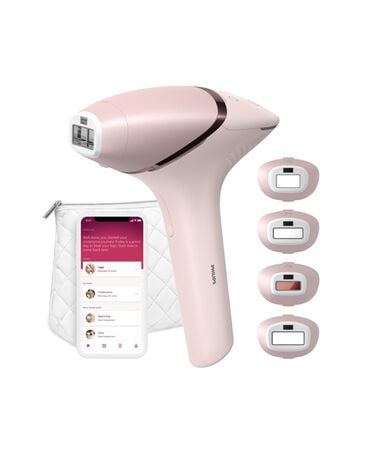
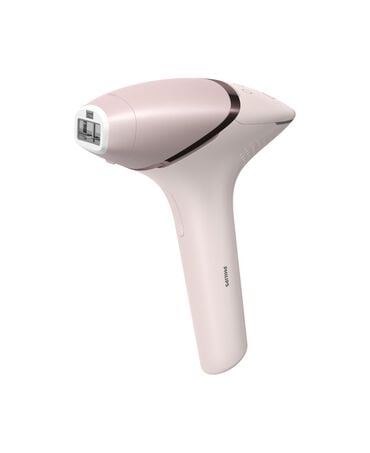
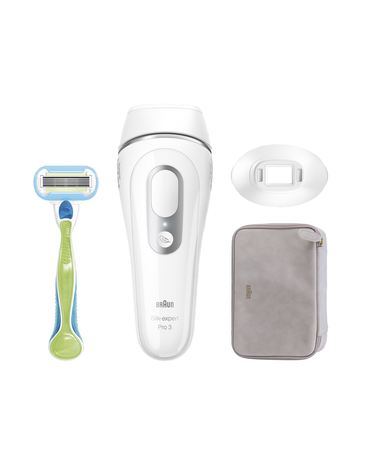
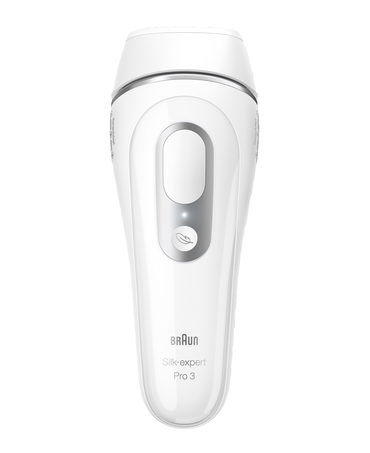
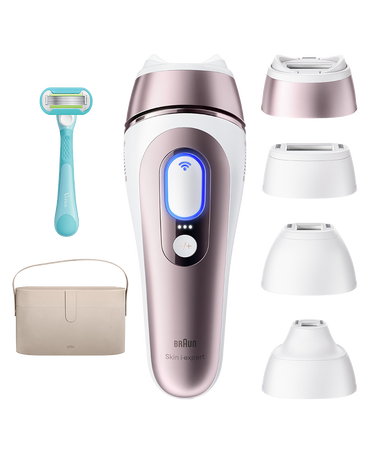
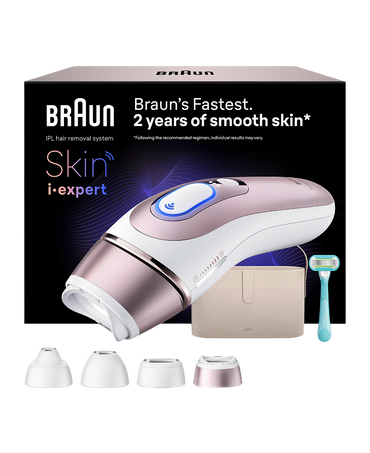
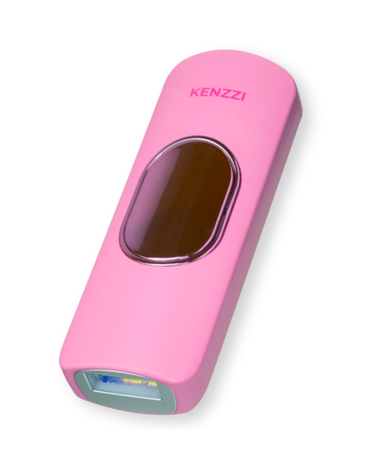
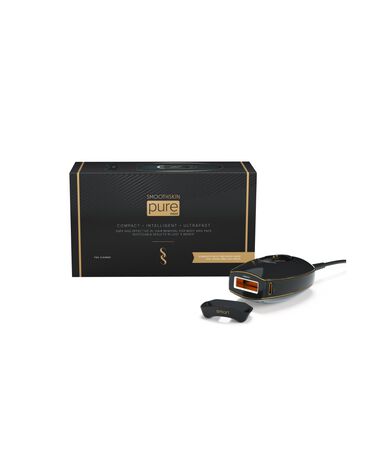
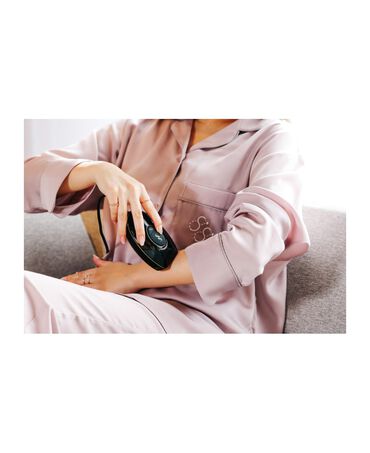
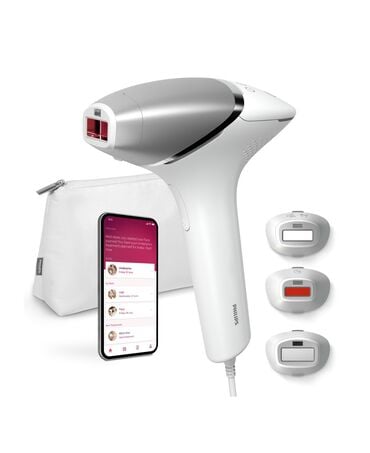
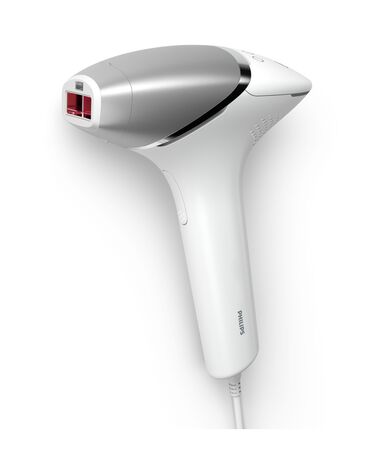
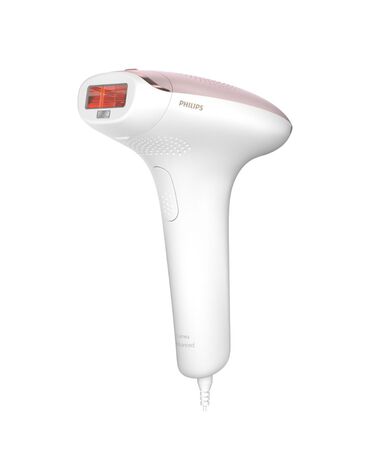
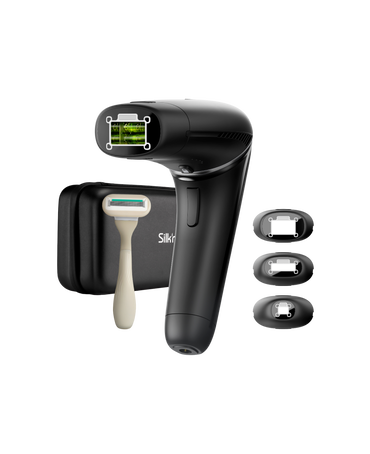
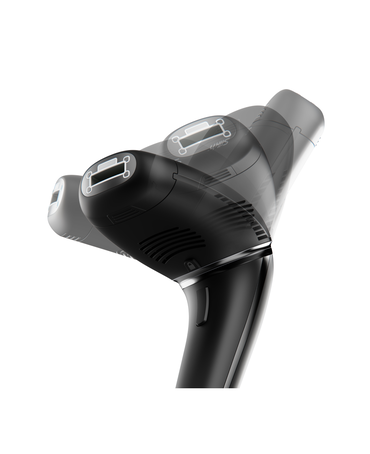
Our Long Term Hair Reduction range brings salon-style hair reduction home. It includes devices with skin tone sensors, adjustable intensity and attachments for the face, body and bikini line. You get long-term results that suit your routine.










.jpg?sw=370)




Epilators
From compact epilators for quick touch-ups to wet and dry models with attachments for the face and body, our epilator range gives you smooth skin for up to four weeks. They work on every skin tone and hair colour.


.jpg?sw=370)


