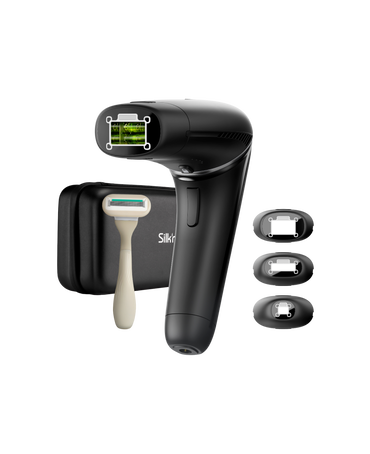
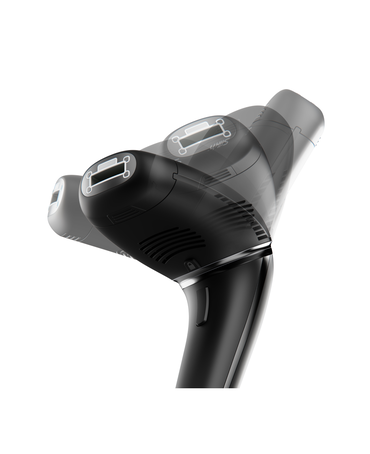
Choosing an IPL device can feel like a lot to weigh up - flash windows, skin tone sensors, corded or cordless, brands you've never heard of, and price points from under two hundred dollars to well past a thousand. This guide cuts through it, so you can walk away knowing exactly what to look for, why it matters, and which device suits the way you'll actually use it.
How IPL actually works
IPL - Intense Pulsed Light - is a light-based treatment that reduces hair regrowth over time. The aim is smoother skin between shaves, and eventually far less hair to shave at all. A flash window on the head of the device sends out short, broad-spectrum light pulses that pass through the skin and are absorbed by the pigment in the hair. The light energy converts to heat as it travels down the hair shaft to the root, and that heat disrupts the follicle's ability to grow hair back at the same thickness or speed.
Because hair grows in cycles, each session targets the follicles that are actively growing at the time you flash them. That's why the treatment runs as a routine - a series of sessions over several weeks catches each follicle at the right point in its cycle, then thins out to maintenance flashes once regrowth has slowed.
Two IPL devices might look identical on a shelf but perform completely differently in the bathroom. The flash window size, the intensity range, the sensor accuracy and the number of flashes on offer all shape what you actually get out of a session.
How long-term hair reduction actually happens
You'll see IPL described as "permanent hair reduction" or "long-lasting smoothness". Both are true in the right context, and it's worth understanding what's actually going on so you know what to expect from your device.
IPL doesn't remove hair on the day. What it does is weaken the follicle over repeat sessions, so the hair that grows back comes through finer, patchier, and less often. After a full initial round of treatments - typically several weeks of consistent flashes - you'll notice regrowth slowing right down, with far less to shave off between sessions.
Once you're through the initial round, most people top up with maintenance flashes every few months to keep results steady. Hormones, life stages and the natural resilience of some follicles mean a quick flash here and there is what holds the routine in place - and the ongoing commitment is fairly light compared to shaving every few days. Think of IPL less as a one-time treatment and more as a routine that gets easier and quicker over time.
What you feel from this:
- Softer stubble between sessions, growing back finer than before
- Longer stretches between shaves
- Patches of skin where hair barely returns at all
What separates a good IPL device from a great one
A few things really shape how an IPL device performs in the bathroom, and how you feel about your session-to-session progress. These are the ones worth paying attention to.
The flash window
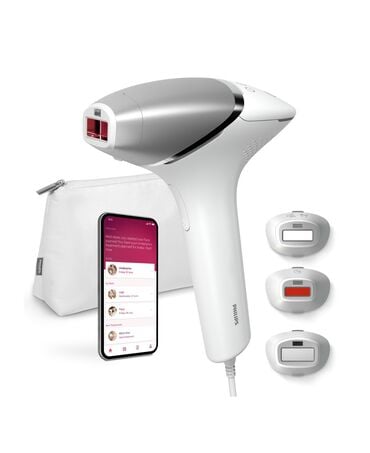
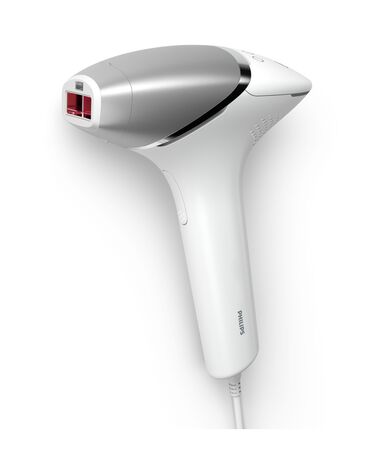
The size of the flash window is the difference between a fifteen-minute leg session and a forty-minute one. A wider window covers more skin per flash, so you're through a full body treatment far quicker. Premium devices carry wider windows for legs and body, and often include a smaller precision head for the face and bikini line.
Skin tone sensor
A built-in sensor reads your skin tone before each flash and adjusts the intensity to a safe level automatically. On higher-end devices, the sensor reads continuously as you glide across the skin, so the intensity adapts across different body areas without you having to think about it. On entry-level devices, you'll usually set the intensity manually and rely on a patch test.
Flash count
Each IPL device has a set number of flashes before the lamp inside wears out. Entry-level devices offer enough flashes for a full body routine across several years. Premium devices offer significantly more - often into the hundreds of thousands more - which future-proofs the device for touch-ups well down the track. Some devices also include a replaceable lamp cartridge, so the device itself lasts even longer.
Intensity levels
More intensity settings give you finer control over comfort and results. Sensitive spots like the bikini line or the face respond better to a gentler flash, while thicker leg hair benefits from a stronger one. Devices with only two or three settings can feel too coarse across different areas.
Glide mode vs stamp mode
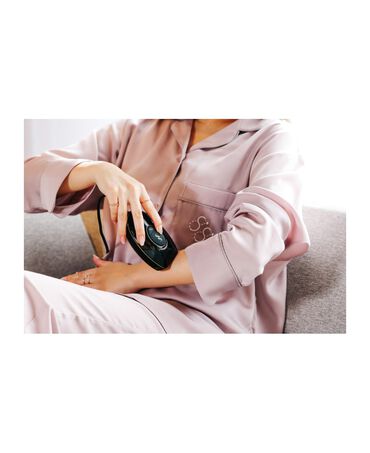
Glide mode lets you slide the device across the skin while it flashes continuously - quick and efficient for legs and arms. Stamp mode presses the device flat, flashes once, then moves to the next section - more precise for tricky spots like the underarms, jawline or bikini line. The better IPL devices give you both.
Cooling
Some premium IPL devices include a cooling plate or built-in ice technology that chills the skin during the flash. This makes each pulse noticeably more comfortable - particularly useful on higher intensity settings, and around sensitive areas like the underarms and bikini line.
Corded vs cordless
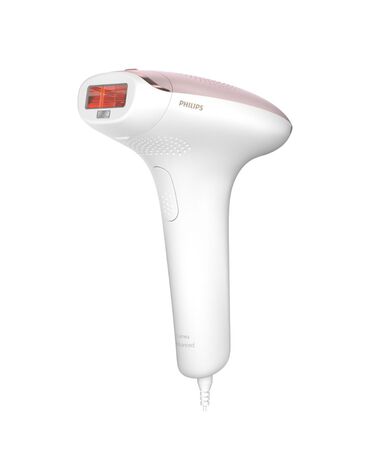
Corded IPL devices deliver uninterrupted power and never need charging mid-session. Cordless devices give you freedom to move around and treat the back of the legs, upper arms or bikini line without cable tangles. Both work - it comes down to how you'll use it, which we've broken down further below.

The main types of IPL devices
Most home IPL devices fall into one of two camps. Both use the same underlying technology, but they're built for very different routines. Here's what each one does and who it suits.
Full-size IPL devices
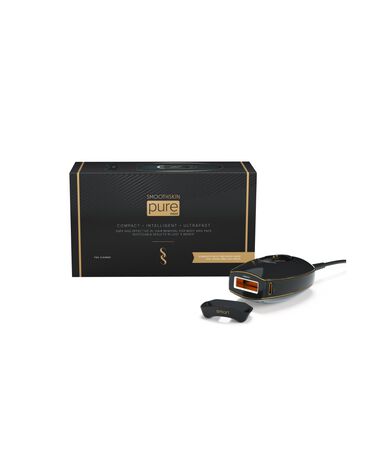
Larger units with a wide flash window and a longer treatment reach.
Strongest on: Legs, arms, chest and back
Session length: Faster on large body areas
Feel: Bigger unit, usually corded, more settings to work with
Suits: Anyone treating full legs, larger body areas, or the whole body
Pick a full-size IPL device if: You're planning to treat legs, arms and body regularly, and want to get through sessions quickly. The wider window and higher-powered flash pay off week after week. Many larger IPL devices also include a narrow window for smaller and more sensitive treatment areas such as the bikini line, face, and underarms.
Compact and precision IPL devices
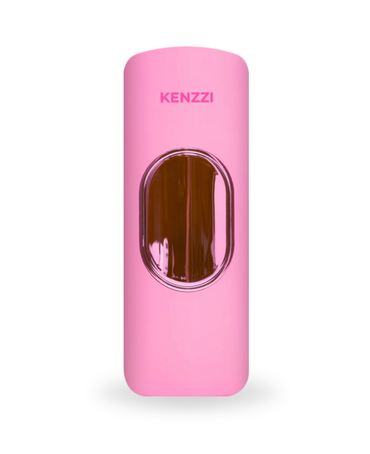
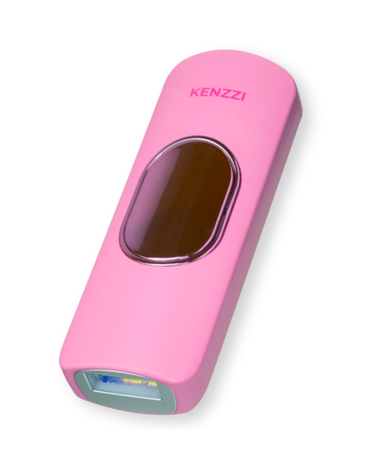
Smaller, lighter units, often cordless, with a narrower flash window.
Strongest on: Face, underarms, bikini line and smaller areas
Session length: Slower on large areas, quicker on small ones
Feel: More manoeuvrable in tight spots, easier to travel with
Suits: Anyone focused on face, underarms, bikini line or maintenance
Pick a compact IPL device if: You want portability, precision for smaller areas, or a lighter option for maintenance flashes once your initial round is done.
Matching an IPL device to your skin and hair
IPL isn't one-size-fits-all. It relies on contrast between hair pigment and skin tone, so it works far better for some people than others. Here's a quick guide.
Dark hair on light to medium skin
The sweet spot for IPL. Dark hair absorbs the light energy well, and lighter skin lets it pass through without heat building up in the surface layers. You'll usually see the fastest, clearest results here.
Fine or lighter hair
Fair, blonde, red or grey hair carries less pigment for the IPL to target, so results build more gradually. Mid-brown hair still responds well across the routine; very light hair sees less pronounced results over the same timeframe.
Darker skin tones
IPL devices are calibrated to work within specific skin tone ranges, and premium devices cover a broader range than entry-level models. Check the compatibility chart on your chosen device before buying - matching the device to your skin tone is what unlocks safe, effective sessions. Premium devices with continuous skin tone sensors adapt the flash automatically as you move across different areas of the body.
Sensitive skin
Look for a device with a cooling plate, a wider range of intensity levels, and a reliable skin tone sensor. Starting on a lower setting and building up gradually makes a real difference in comfort.
Facial use
Facial IPL is more common than it used to be, but not every device supports it. If facial treatment matters to you, look for a device with a dedicated precision head and clear guidance on which facial areas are safe. Never use IPL around the eyes or on eyebrows.
First-time IPL users
A mid-range device with a good skin tone sensor and clear on-device guidance is the friendliest place to start. You want something that manages the intensity for you and takes the guesswork out of getting a safe, comfortable flash.
Corded vs cordless
Both formats deliver the same treatment, but the practical experience differs.
Corded
Uninterrupted flashes with no battery to think about. Corded devices run off mains power, so sessions happen within reach of a powerpoint - a natural fit for longer legs, arms and body treatments where you're settled in one spot for fifteen or twenty minutes at a time.
Cordless
Freedom to move around, twist, reach and treat at any angle. Better for underarms, bikini line, the backs of the legs, and travel. Runtime and charging times vary between models - check the specs if you're planning full-body sessions in one sitting.
If flexibility and reach matter most, go cordless. If you're settling in for a longer session and want uninterrupted power the whole way through, corded is the natural pick.
How to use IPL properly
A premium device does most of the work, and a consistent routine is what unlocks the results.
- Shave the treatment area first with a clean razor - IPL works on the hair root below the surface, not the visible strand above
- Clean the skin and dry it completely before flashing
- Remove any deodorant, moisturiser, sunscreen, oils or perfume from the area
- Do a patch test the first time on each area, on the lowest suitable setting
- Start on a lower intensity and build up as your skin gets used to it
- Work in small sections so you don't miss patches
- Use glide mode for legs and arms, stamp mode for underarms, face and bikini line
- Keep the flash window flat against the skin - angled or lifted, the flash won't land properly
- Stick to the schedule your device recommends - consistency does more than intensity ever will
- Follow the maintenance schedule after your initial round to keep results steady
Two habits do most of the heavy lifting: keep the flash window flush with the skin, and stick to the schedule. Consistency is where the real momentum builds - each session compounds on the last.
Attachments and accessories
Different attachments open up what an IPL device can safely treat. Here's what each one is and where it earns its place in the drawer.
Body window
The standard head on most IPL devices, with a wider flash surface for legs, arms, chest and back. Faster through large areas, and usually the head that ships as the default.
Precision head
A smaller flash window for underarms, bikini line and facial use where you need finer control. Some devices include this in the box; others sell it separately.
Facial adapter
Some devices include a dedicated facial attachment with a smaller window and a lower intensity ceiling, calibrated for the thinner skin on the face. If facial treatment is part of the plan, check this is included or available as an add-on.
Cooling attachment
Higher-end models come with a built-in cooling plate, but some brands offer a snap-on cooling accessory that chills the skin during the flash. Genuinely useful if you're sensitive to heat or working on higher intensity settings.
Travel case
A padded case keeps the flash window scratch-free in a bag and protects the device from knocks. Worth having if you travel often or store the device between uses.
Safety glasses
Some devices include tinted glasses to shield your eyes from the flash. Not always essential - most home IPL devices only fire when the flash window is in full contact with the skin - but useful if you're sensitive to bright light or treating facial areas.
Caring for your IPL device
A bit of care keeps the flash window clear and the device performing session after session.
- Wipe the flash window with a soft, dry cloth after each session
- Keep the device dry - home IPL devices aren't waterproof
- Store in a cool, dry drawer or cupboard, not in a humid bathroom cabinet
- Check the flash counter every few sessions to see how many flashes you have left
- Replace the flash cartridge if your device has one and the lamp expires
- Don't drop the device - the flash lamp inside is glass, and a heavy knock can damage it
If your flashes start feeling weaker or the sensor stops reading properly, it's usually the flash window that needs a clean, not a fault with the device. A gentle wipe with a lint-free cloth sorts most of it.
When it's worth spending more
Every IPL device flashes light. That's not in question. The difference between an entry-level model and a premium one shows up in the details - and, more importantly, in the consistency of your results over time.
A premium IPL device will:
- Read your skin tone continuously and adjust the flash intensity automatically as you move across the body
- Flash more powerfully on higher intensity settings, so results build faster in the early sessions
- Include a wider flash window that gets you through both legs in well under fifteen minutes
- Offer cooling for more comfortable flashes on sensitive areas
- Hold more flashes across the life of the device, so you're covered for years of maintenance
- Include multiple attachments - body, precision, facial - in the box
- Feel more comfortable in the hand, session after session
If you're planning full-body IPL as part of your long-term routine, the step up pays off week after week. If you're mainly treating a single area - underarms, upper lip, bikini line - a well-chosen entry or mid-range device is usually plenty. The right choice depends less on the sticker price and more on how often you'll actually use it, and how much you value speed and comfort along the way.
Questions we get in store all the time
01 Q: How long does IPL take to show results?
A: IPL usually starts showing visible results within three to four sessions, with softer, patchier regrowth coming through and clearer skin after a full initial round of six to twelve treatments. Some people see faster progress than others depending on hair colour, thickness, device quality, and consistency of the schedule.
02 Q: Is IPL permanent?
A: IPL delivers long-term hair reduction rather than one-and-done permanent removal. Most people continue with maintenance flashes every few months to keep results steady - the ongoing commitment is fairly light once you're past the initial routine, and far quicker than shaving every few days.
03 Q: Does IPL hurt?
A: IPL doesn't hurt for most people - it's usually described as a warm flick against the skin. Lower intensity settings feel gentler, and comfort improves noticeably as regrowth thins out over the routine. Devices with built-in cooling keep each flash comfortable throughout the session, even on higher settings.
04 Q: Can I use IPL on my face?
A: Facial IPL is available on some devices - usually cleared for the upper lip, chin, and jawline - but not all. Check your device guidance carefully before using it above the neck. Never use IPL around the eyes or on eyebrows.
05 Q: Will IPL work on my hair colour?
A: IPL works best on darker hair colours, because it targets pigment in the hair. Mid-brown hair responds well too, with steady progress across the routine. Very light hair - blonde, grey or red - carries less pigment, so results build more.
06 Q: Can I use IPL if I have dark skin?
A: IPL works across a range of skin tones, but each device is calibrated for a specific range - so check the compatibility chart on your chosen device before buying. Premium devices with continuous skin tone sensors cover a broader range of tones and adapt the flash automatically.
07 Q: Can I use IPL after tanning?
A: IPL and tanning don't mix - wait until any tan (real or fake) has faded before flashing. Tanned skin sits outside your natural tone, and matching the device to your natural tone is what keeps sessions comfortable and effective. Wear sunscreen between sessions to keep skin protected.
08 Q: How long does an IPL device last?
A: IPL devices have their lifetimes measured in flashes. The higher the flash count, the longer the device will flash - with some offering years and years worth of flashes. Most IPL devices come with a two year warranty.
09 Q: Should I shave before IPL?
A: Yes - shaving before every IPL session is essential. Shaving cuts the hair at skin level, so the light energy travels straight down the shaft to the follicle. Never wax, epilate, or use hair removal cream before IPL - you need the hair root in place for the treatment to work.
10 Q: Corded or cordless - which is better?
A: Choosing between corded and cordless comes down to how you'll use the device - both deliver the same treatment. Corded suits long, uninterrupted sessions on legs and body. Cordless is more maoeuvrable for underarms, bikini line, and reaching awkward angles.
11 Q: What's the difference between IPL and laser?
A: The difference between IPL and laser comes down to the type of light each one uses. IPL uses broad-spectrum light pulses across a wider band, while laser uses a single focused wavelength. Home IPL devices are designed to be easy to use and pay for themselves quickly compared to per-session clinic pricing. Clinic lasers deliver more power and cover an even wider range of skin tones, which suits those with very deep skin or a shorter results timeline. For at-home hair reduction on most skin tones, IPL is the practical choice.
12 Q: Can men use IPL?
A: Men can absolutely use IPL, and it's an increasingly popular choice for reducing body hair on the chest, back, shoulders, arms, stomach and legs. The same pigment-and-light principles apply - darker body hair on lighter skin sees the clearest results. IPL can also be used in the pubic and intimate area, with the exception of the penis shaft, scrotum and anal area, where the skin's concentrated pigment makes IPL unsuitable. Home IPL isn't generally recommended for facial hair on men either - beard growth is much denser than home devices are set up for, and results may come through unevenly across the area. Always check your device guidance for the areas cleared for use.





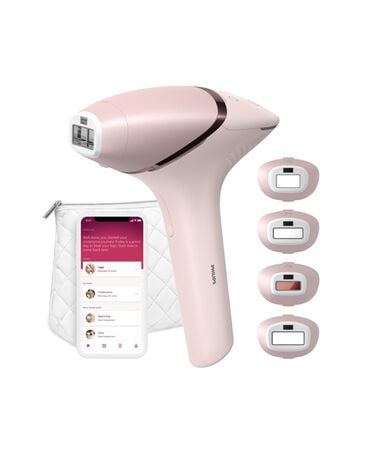
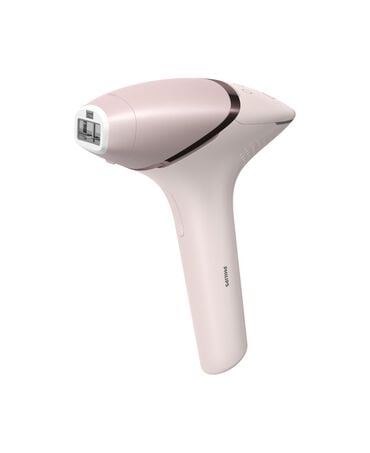






.jpg?sw=370)