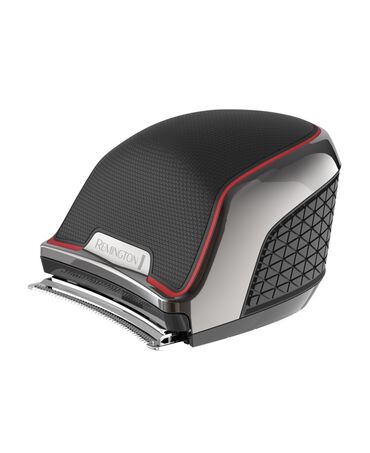
A great set of hair clippers can save you a trip to the barber, keep your style sharp between cuts, and take care of the whole household's hair at home. But with different motors, blades, guard sizes and cordless options to weigh up, it's not always obvious which one to choose. This guide covers what matters, so you can pick the right clipper for your hair and get a cut you're happy with.
Why cut your hair at home
Short styles look their best when they're kept sharp, and that can mean a trip to the barber every few weeks. A good set of hair clippers lets you keep your cut fresh in between - or take over completely, once you've got the hang of it.
What you get from cutting at home:
- A fresh cut whenever you need it, without booking an appointment
- Savings that add up quickly over a year of haircuts
- Full control over your length, from a long trim to a close buzz
- One clipper that can look after the whole household
- The option to tidy up the neckline and sides between barber visits
How hair clippers actually work
Every hair clipper has the same basic setup: a motor in the body, driving a moving blade back and forth across a fixed blade. Hair is caught between the teeth of the two blades and cut cleanly as the moving blade passes over it.
The length of the cut is set by the guard - a plastic comb that clips over the blade and holds it a set distance from your scalp. Many clippers also have a taper lever, which moves the blade slightly to fine-tune the length between guard sizes.
What changes from one clipper to the next is the type of motor driving the blade, the blade material, how the clipper is powered, and the range of guards and accessories included. Together, these shape how the clipper handles your hair and how easy it is to get a clean result.
Corded vs cordless vs brushless
Hair clippers generally fall into three camps: corded, cordless and brushless. Each one changes how much power the clipper has, how long it runs and how easy it is to move around your head. Here's what each one does and who it suits.
Corded
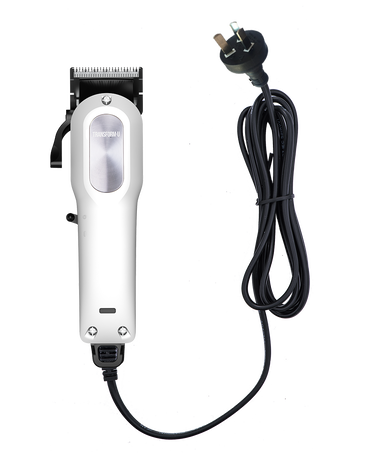
Plugs into a power point for constant, uninterrupted power.
Cordless
Runs on a rechargeable battery for complete freedom of movement.
Brushless
A motor without carbon brushes inside, for more power, efficiency and a longer lifespan.
Brushless motors don't use the carbon brushes found in standard motors, so there's less friction, less heat and less wear inside the clipper. That means more power from the same battery, a cooler-running clipper and a longer lifespan - which is why brushless motors are increasingly found in premium cordless clippers.
What separates a good hair clipper from a great one
A few things really shape how a hair clipper performs, and how easy it is to get a clean, even cut. These are the ones worth paying attention to.
Blade material
Stainless steel blades are durable and easy to maintain, while ceramic and titanium-coated blades stay sharp for longer and tend to run cooler against the skin. A sharp, well-made blade cuts cleanly in one pass, without pulling or snagging.
Motor power
A stronger motor keeps the blade moving at a consistent speed, even through thick or coarse hair. Better clippers maintain their power as the battery runs down, so the last pass is as smooth as the first.
Battery life and charging
For cordless clippers, lithium-ion batteries deliver longer run times and more consistent power. Look for a battery indicator and quick charging, so you're never caught short mid-cut.
Guards and taper lever
A good range of sturdy guards gives you more length options, and a taper lever lets you fine-tune the length between them. Together, they make it easier to blend lengths and create smooth fades.
Comfort and ease of cleaning
A well-balanced, comfortable clipper makes a big difference over a full haircut, particularly when you're cutting your own hair. A detachable or washable blade also makes cleaning up afterwards quick and easy.
Matching a clipper to your hair
The "best" hair clipper depends on your hair type, your style and who you're cutting for. Here's a quick guide.
Thick or coarse hair
A powerful corded or brushless clipper and a sharp blade will cut through thick hair without pulling. Look for a clipper that holds its speed under load, and work in slower, steady passes.
Fine or thinning hair
Almost any clipper will handle fine hair easily, so focus on comfort, guard range and precision. A model with a taper lever makes it easy to keep lengths even.
Curly and textured hair
A strong motor and a sharp, wide-toothed blade help cut through dense curls cleanly. Make sure your hair is clean, dry and combed out before you start, for the most even result.
Fades and short styles
A clipper with a taper lever and a full range of guards, including half sizes, makes blending between lengths much easier. Pair it with a trimmer for crisp edges and lines.
Buzz cuts and close crops
A simple, reliable clipper with a single guard length is all you need for an even buzz cut. Cordless models make it easier to cover your whole head without a cord getting in the way.
Cutting for the whole family
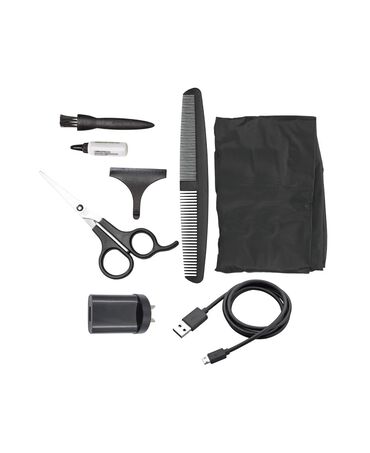
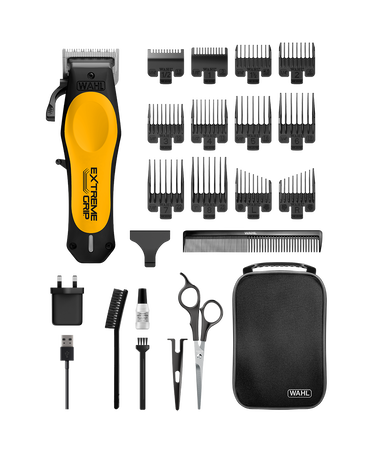
A versatile clipper kit with a full range of guards, scissors, a comb and a storage case covers everyone in the household. A quieter clipper is a big help when cutting children's hair.

Understanding guard sizes
Clipper guards are numbered by the length of hair they leave behind - the lower the number, the shorter the cut. Exact lengths can vary slightly between brands, but most follow a similar scale:
- No guard - around 0.5mm to 1mm, the shortest cut a clipper can give
- #0.5 - around 1.5mm, a very close crop
- #1 - around 3mm, a short, even buzz
- #1.5 - around 4.5mm, a popular choice for blending fades
- #2 - around 6mm, a short back and sides
- #3 - around 10mm, a longer buzz cut
- #4 - around 13mm, a short, natural-looking length
- #6 - around 19mm, a longer, softer look on top
- #8 - around 25mm, the longest standard guard
Always check the guard sizes on the clipper you're buying, and if you're not sure which to use, start longer. You can always take more off - you can't put it back.
How to cut your hair with clippers
Cutting your hair at home is easier than it looks. A few simple habits make the difference between an uneven cut and a sharp, barber-style finish.
- Start with clean, dry, combed hair
- Set up in front of a mirror, with a hand mirror ready to check the back
- Choose a longer guard than you think you need - you can go shorter later
- Make sure the guard is clicked firmly into place before every cut
- Cut against the direction of hair growth, using slow, steady passes
- Start at the sides and back, working upwards from the neckline
- Use a shorter guard on the lower sides and a longer one higher up, blending between them with a scooping motion
- Use the taper lever to soften the line between guard sizes
- Finish the neckline and around the ears with a trimmer or the clipper with no guard
- Check your work from every angle before you finish
Two habits do most of the heavy lifting: start longer than you need, and take your time. Rushing is the quickest way to an uneven cut.
Clippers vs trimmers
Hair clippers and trimmers are often sold together, but they do different jobs. Clippers have wider blades and stronger motors for cutting larger areas of hair, while trimmers have narrower blades for edging, detailing and finishing.
A clipper takes care of the bulk of a haircut. A trimmer finishes it - cleaning up the neckline, tidying around the ears, and creating crisp lines and edges. If you're cutting your own hair regularly, a clipper and trimmer combination gives you everything you need for a barber-style finish.
For shaping and maintaining facial hair, a dedicated beard trimmer gives you the most precision - see our beard trimmer buying guide to find the right one.
Caring for your hair clippers
A bit of care keeps your clippers cutting cleanly and extends the life of the blade and motor.
- Brush hair out of the blade and guards after every cut
- Oil the blade every few cuts, or whenever it starts to sound louder or feel dry. Use Clipper Guard to keep your blades lubricated and clean.
- Rinse washable blades under running water, then dry thoroughly before storing
- Never rinse the body of a clipper unless it's designed to be washed
- Check that the blade is aligned correctly after removing and refitting it
- Store your clipper with the blade guard on, in a dry place
- Replace the blade when it starts pulling, even after cleaning and oiling
If your clipper starts snagging or running hot, it's usually a sign the blade needs cleaning, oiling or replacing - not a fault with the clipper itself.
When it's worth spending more
Every quality hair clipper will give you a decent cut. The difference between an entry-level model and a premium one shows up in power, precision and how easy it is to get a great result at home.
A premium hair clipper will:
- Hold its power through thick and coarse hair, without slowing down
- Use sharper, longer-lasting blades that cut cleanly without pulling
- Deliver longer battery life and faster charging
- Include a wider range of sturdy guards and a taper lever for smooth blending
- Feel more balanced and comfortable through a full haircut
- Come with extra accessories, such as a trimmer, storage case and cleaning kit
- Last longer, with replaceable blades and better build quality
If you're cutting your own hair regularly, cutting for the whole family, or working with thick hair, the step up pays for itself quickly. If you just need the occasional tidy-up, a well-chosen entry or mid-range clipper is usually plenty. The right choice depends less on the price tag and more on how often you'll use it.
Questions we get in store all the time
01 Q: Can I cut my own hair with clippers?
A: You can cut your own hair with clippers - it's one of the easiest ways to keep a short style looking fresh between barber visits. Start with a longer guard than you think you need, work slowly, and use a hand mirror to check the back. Shorter, simpler styles are the easiest to cut yourself.
02 Q: What's the difference between hair clippers and beard trimmers?
A: The difference between hair clippers and beard trimmers is mainly the size of the blade and the power behind it. Hair clippers have wider blades and stronger motors for cutting larger areas of hair, while beard trimmers have narrower blades for shaping, detailing and shorter hair on the face.
03 Q: Which clipper guard number should I use?
A: The clipper guard number you should use depends on how short you want your hair - the lower the number, the shorter the cut. If you're not sure, start with a longer guard and work your way down, as you can always take more off but you can't put it back.
04 Q: Corded or cordless - which hair clipper is better?
A: Choosing between a corded and a cordless hair clipper comes down to how you'll use it. Corded clippers deliver constant power that never runs flat, while cordless clippers give you freedom of movement and make it easier to reach the back and sides of your head. Many cordless models can also be used while plugged in.
05 Q: How often should I oil my hair clippers?
A: You should oil your hair clippers after every few cuts, or whenever the blades start to feel dry or sound louder than usual. A few drops of clipper oil across the blade keeps it running smoothly, reduces heat and helps the blade stay sharp for longer. Check the manufacturer's instructions, as some blades are designed to be maintenance-free.
06 Q: How often should I replace clipper blades?
A: How often you should replace clipper blades depends on how often you use them and how well they're cared for. Replace the blade when it starts pulling or snagging even after cleaning and oiling, or if any teeth are chipped or damaged.
07 Q: Can I use hair clippers on wet hair?
A: Whether you can use hair clippers on wet hair depends on the model, so check the manufacturer's instructions. Most clippers cut best on clean, dry hair, which gives you a more even result and makes it easier to see the length you're cutting. A washable blade means it can be rinsed clean - not necessarily that it's designed for cutting wet hair.
08 Q: Why are my hair clippers pulling my hair?
A: Hair clippers usually pull hair because the blade is dull, dry or clogged with hair. Clean the blade, apply a few drops of oil and make sure the battery is fully charged. Moving the clipper too quickly through thick hair can also cause pulling, so slow down and let the blade do the work.
09 Q: Can I use hair clippers on my beard?
A: You can use hair clippers on your beard, especially for bulk trimming longer beards with a guard attached. It can, however, be less comfortable than a dedicated beard trimmer. For shaping, edging and shorter stubble lengths, a dedicated beard trimmer gives you more precision and control.
10 Q: What does the taper lever on a hair clipper do?
A: The taper lever on a hair clipper adjusts the cutting length in small increments without changing guards. It lets you cut slightly shorter or longer than the guard size, which makes it easier to blend between lengths and create smooth fades.
11 Q: Can I use hair clippers to cut my kids' hair?
A: You can use hair clippers to cut your kids' hair, and many families save time and money doing it at home. A quieter clipper with smooth, rounded blade tips helps keep younger children comfortable, and a cordless model makes it easier to work around a wriggly head.
12 Q: Can I shave my head with hair clippers?
A: You can get very close to bald with hair clippers by cutting with no guard attached, which leaves a short, even stubble. For a completely smooth result, follow up with a head shaver or an electric shaver.
Hair Clippers
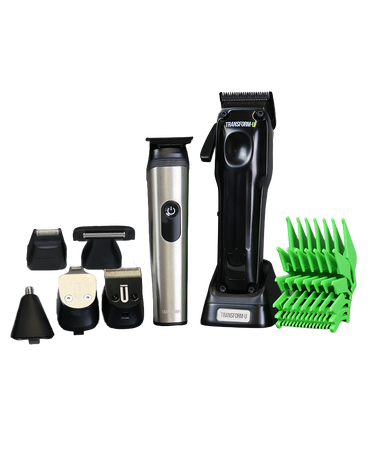
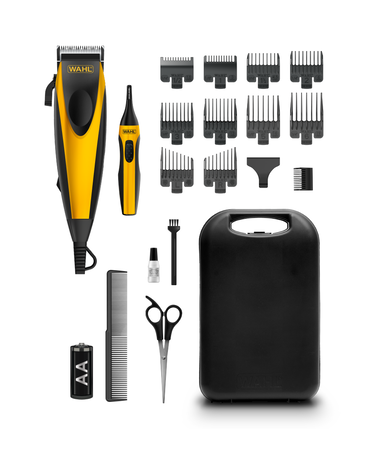
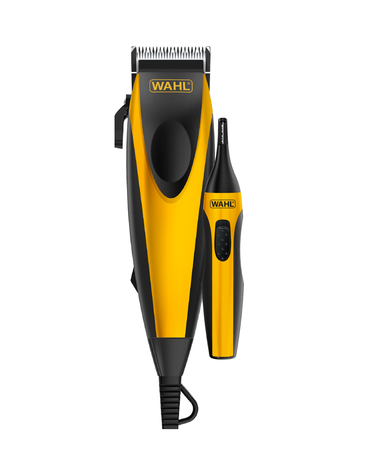
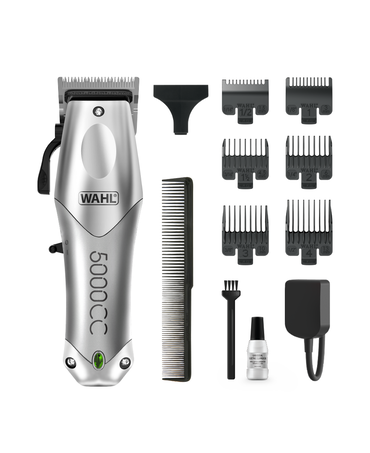
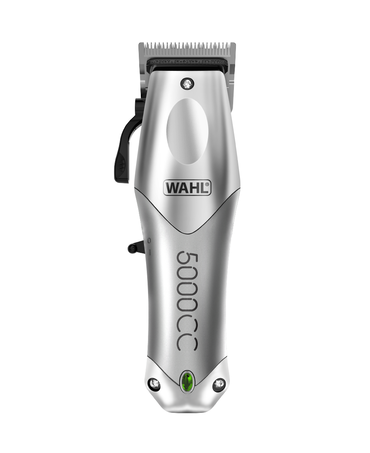
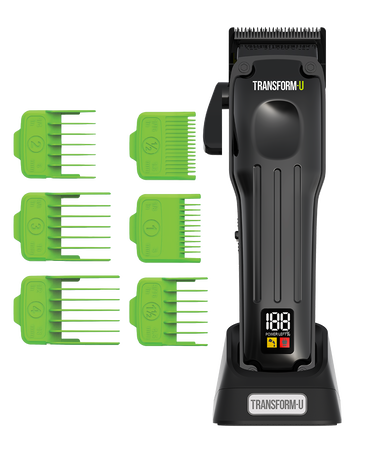
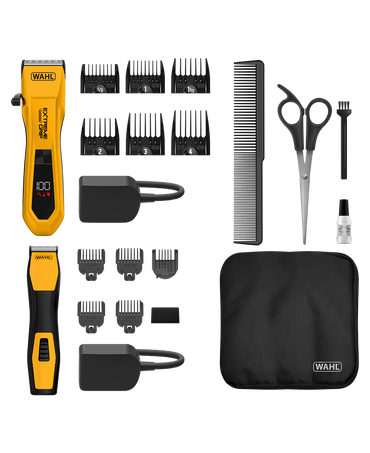
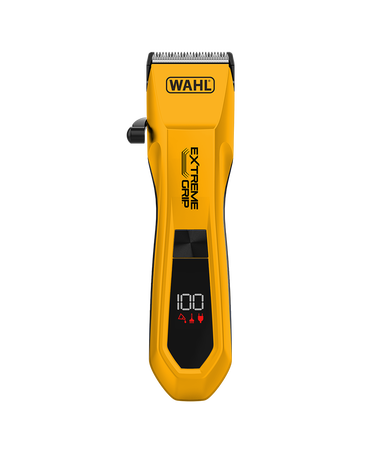
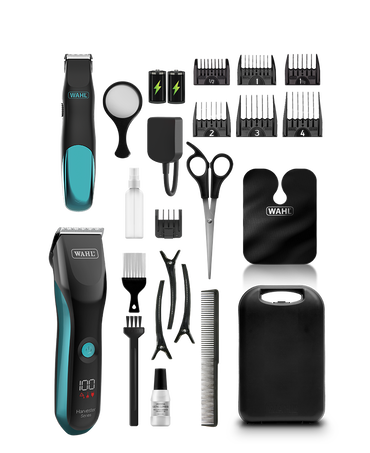
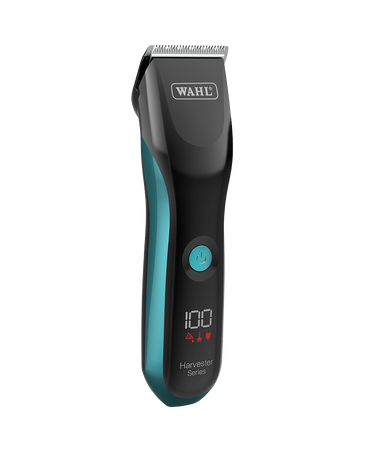
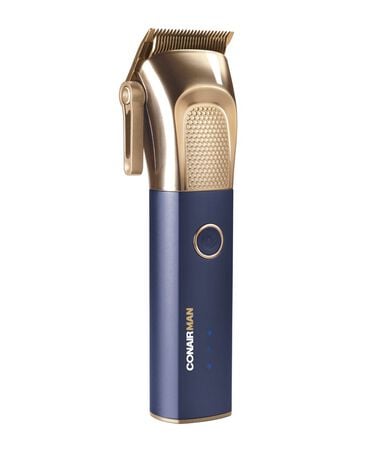
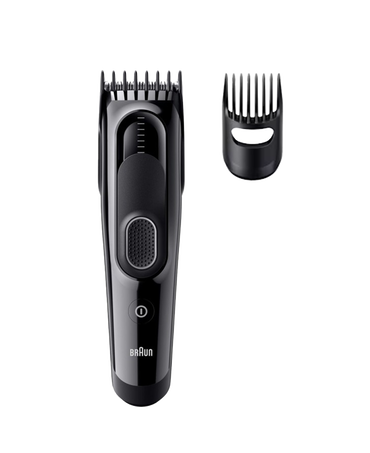
We've curated our range of hair clippers to cover every hair type, every style, and every budget - from simple cordless clippers for a quick tidy-up to complete haircutting kits for the whole family. Whatever your cut, there's something in the range to suit.
.png?sw=370)
.png?sw=370)