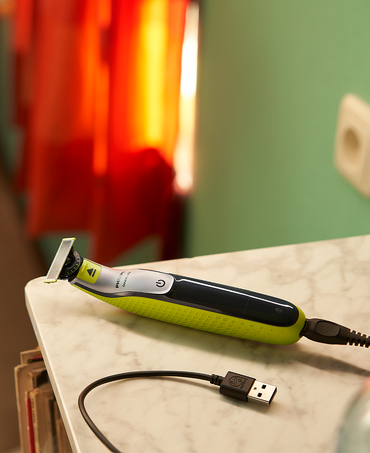
Choosing a beard trimmer can be confusing. Length settings, guide combs, self-sharpening blades, all-in-one kits, - there's a lot to weigh up before you land on the one that actually suits your beard and your routine. This guide cuts through it, so you can walk away knowing exactly what to look for and why.
How a beard trimmer actually works
The principle is simple. A motor drives two blades - one fixed, one moving - that slide across each other at speed. Hair passes between the teeth, and the moving blade shears it off cleanly against the fixed one. A guide comb or an adjustable dial sits over the blade and holds it a set distance from your skin, and that distance is the length you're left with.
The quality of a trimmer comes down to how well it manages that process. A better trimmer keeps the blade moving at full speed through thick hair, cuts evenly rather than snagging, and holds a precise, repeatable length every time. That means a cleaner line, a more even finish, and less going back over the same patch.
Two trimmers might look similar on the shelf but feel completely different in the hand. The difference sits in the motor's torque, the sharpness and material of the blades, and how finely you can control the length.
How length settings actually work
Length control is where most of your styling comes from, and it's worth understanding how a trimmer delivers it - because two trimmers with the "same" range can feel very different in use.
Some trimmers use click-on guide combs, where each comb sets a fixed length and you swap combs to change it. Others use a built-in adjustable dial or zoom wheel that shifts the blade position in fine steps, so you can change length without ever taking a comb off - handy when you want to fade between lengths in one pass. The more settings on offer, and the smaller the steps between them, the more control you have over the final look.
What you get from this:
- Consistent, repeatable lengths you can dial in and trust
- Finer control for shaping and blending between lengths
- The ability to go shorter for stubble or longer for a full beard from one tool
What separates a good beard trimmer from a great one
A few small things make all the difference once you're using a trimmer regularly. These are the ones worth paying attention to.
The motor
Entry-level trimmers use lower-powered motors that can bog down in thick or dense hair. Better trimmers keep the blade driving at full speed no matter how coarse the growth, so you get a clean, even cut instead of the blade tugging and stalling. You'll feel it most on longer beards and around the jawline.
The blades
The blades do all the cutting, so their quality sets the tone for the whole trim. Self-sharpening steel blades stay effective for far longer, titanium-coated blades add durability, and rounded blade tips help the trimmer glide without catching or irritating the skin. Sharp blades cut cleanly with less pressure - the moment blades start to dull, they pull.
Length settings and precision
More length settings, and smaller steps between them, give you finer control over your look. A trimmer with an adjustable dial lets you change length mid-trim without swapping combs, while a wide comb range covers everything from close stubble to a full beard. If shaping matters to you, precision here is what you're paying for.
A precision or detail head
Many great trimmers include a narrower blade or a T-blade for edging, or come with a foil or precision head for a closer finish on cheek lines and necklines. It's a small feature that makes the difference between a tidy trim and a properly sharp, defined beard.
Battery life and charging
Beard trimmers are cordless, so battery performance matters. Nickel batteries can need a long charge for a short run, while better trimmers use lithium-ion (Li-Ion) batteries with longer runtime, quick-charge support, and a clear battery indicator - so you're never caught halfway through a trim with a flat device.
Wet & dry and washable heads
A washable or fully waterproof trimmer is far easier to keep clean - a quick rinse under the tap clears the blades and you're done. Some can even be used in the shower. It's a convenience that pays off every single trim.

The main types of beard trimmer
Most beard trimmers fall into one of two camps. They both cut and shape facial hair, but they're built for different routines. Here's what each one does and who it suits.
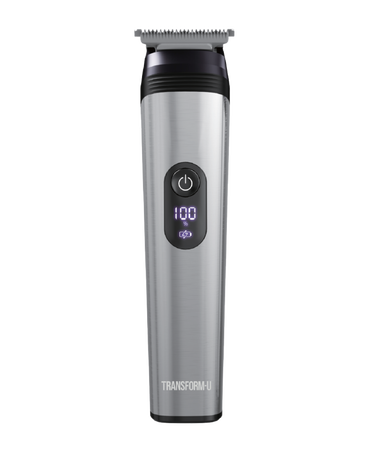
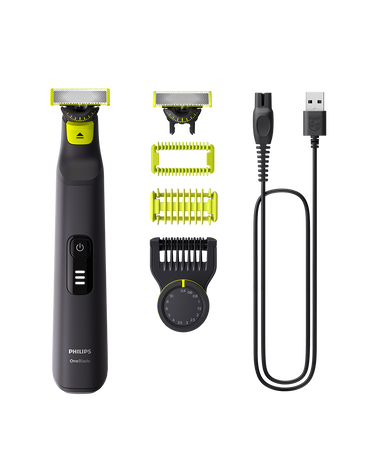
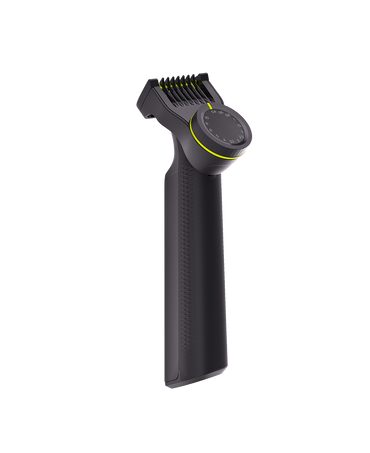
Dedicated beard trimmer
A focused tool built around one job - shaping and maintaining facial hair.
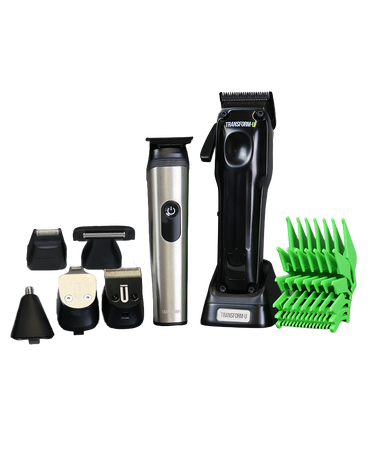
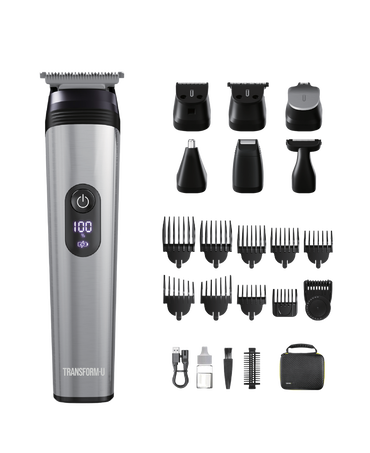
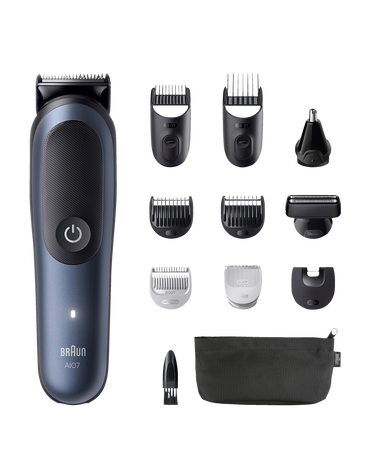
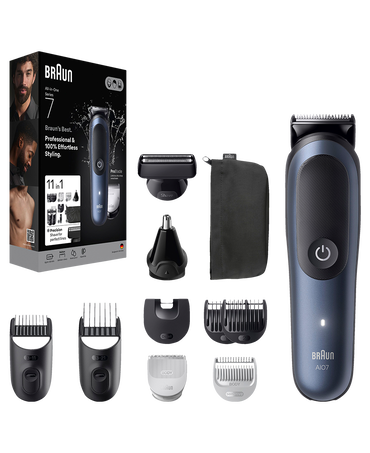
All-in-one grooming kit
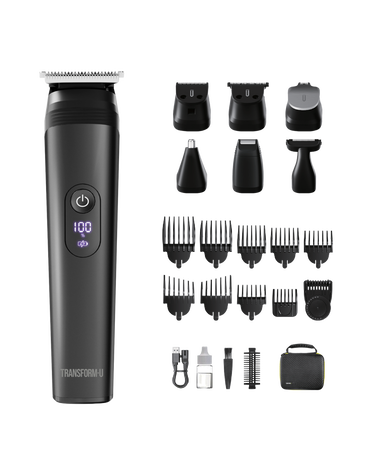
One handle with a set of clip-on heads for the whole grooming routine.
Matching a trimmer to your beard
The "best" beard trimmer depends entirely on the beard you're growing and how you like to wear it. Here's a quick guide.
Short stubble and designer length
Look for a trimmer with fine length steps at the shorter end, or an adjustable dial. Consistency matters more than range here - you want to set a short length and get exactly the same result every time.
Full or longer beards
You'll want longer guide combs and enough motor power to drive through the extra bulk without pulling. A wide comb range lets you take length off gradually rather than in one aggressive pass.
Thick or coarse hair
Motor torque is the thing to prioritise. A stronger motor keeps the blade at full speed through dense growth, so the cut stays even and the trimmer doesn't stall or tug on the coarser patches.
Shaping and sharp lines
Look for a precision or T-blade and a good detail head for edging cheek lines and necklines. A narrower blade gives you the control to define a crisp outline rather than a soft one.
Sensitive skin
Rounded blade tips, a smooth-glide head, and wet & dry capability all help. Trimming with the grain and keeping the blades clean and sharp does more to prevent irritation than any single feature.
Beard, body and all-over grooming
An all-in-one grooming kit is the natural pick. One handle with dedicated heads for beard, body, and nose and ears covers the whole routine and keeps everything in one case.
First-time buyers
A mid-range trimmer with an adjustable dial, a solid set of combs and a good battery is the friendliest place to start. You get room to experiment with lengths without committing to a specialist tool straight away.
How to trim your beard properly
A good trimmer does most of the work, but technique still counts. The same trimmer in two different hands gives two different results.
- Start with a clean, dry beard - trimming wet hair makes lengths look shorter once it dries
- Brush or comb the beard so the hairs sit in their natural direction before you start
- Begin with a longer guard than you think you need - you can always take more off
- Trim with the grain first for an even base, then against it only if you want it shorter
- Work in small sections and let the trimmer glide rather than pressing it into the skin
- Use a precision or detail head to define the cheek line and neckline last
- Set your neckline roughly two finger-widths above the Adam's apple for a natural finish
- Step back and check both sides in the mirror as you go to keep it symmetrical
- Rinse or brush the blades clean, then pat the beard dry
Two small habits do most of the heavy lifting: start longer and work down, and let the trimmer glide instead of pressing. Pressing harder doesn't cut shorter - it just drags the skin and dulls the blades faster.
Beard trimmer attachments and accessories
The attachments that come with a trimmer change what it can actually do day to day. Here's what each one is and where it earns its place in the cabinet.
Guide combs
The core of any trimmer - each comb sets a length, and the range of combs decides how short or long you can go. More combs, with smaller steps between them, means finer control over the finished look.
Precision or detail blade
A narrower blade or T-blade for edging, outlining and detail work. This is the attachment that turns a tidy trim into a sharp, defined beard with clean cheek lines and a crisp neckline.
Nose and ear trimmer head
A small rotary or blade head for safely tidying nose and ear hair. Often included on all-in-one kits, and a genuinely useful add-on for a complete grooming routine.
Body groomer head
A wider, skin-safe head for trimming chest, back and body hair. If you groom below the neck, an all-in-one kit with a dedicated body head saves buying a separate device.
Foil or shaver head
Some trimmers and kits include a foil head for a close, clean finish on the cheeks and neck - the difference between a trimmed edge and a properly shaved line.
Charging stand and storage case
A charging stand keeps the trimmer topped up and tidy on the bench, while a case keeps the trimmer and its combs together and protects the blades in a bag. Worth having if you travel or want everything in one place.
Caring for your beard trimmer
A bit of maintenance keeps a trimmer cutting at full strength for years. Most trimmers that "stop working properly" haven't broken - the blades are just clogged or dry.
- Brush or rinse the blades after every trim to clear hair and skin residue
- Only rinse under the tap if your model is washable or wet & dry
- Oil the blades every few weeks with a drop of trimmer oil to keep them running smoothly
- Let the blades dry fully before putting the trimmer away
- Store somewhere dry and ventilated, not in a humid bathroom cabinet
- Replace the blades when the trim starts feeling rough or the trimmer begins to pull
Keeping the blades oiled
A few drops of lubricant is the single most valuable thing you can do for a trimmer. Oil reduces the friction between the two blades as they slide across each other, which keeps the cutting edges sharp for longer and stops them grinding each other down. It also means the motor isn't fighting against dry, sticky blades, so it runs cooler, quieter and with less strain - which is what keeps it going for years rather than months.
Apply a drop or two along the blade every few weeks - or after every few trims if you use it often - then run the trimmer for a few seconds to work the oil in and wipe off any excess. Use a purpose-made trimmer or clipper oil rather than cooking oil or all-purpose sprays, which can gum up the blade or damage the motor over time. The easiest way to keep your blades lubricated is with Trimmer Guard - which is a lubricating and cleaning spray that keeps your trimmer clean and performing well. Just spray a quick spritz on the blade while its running after use each time.
If your trimmer suddenly feels like it's dragging, check the blades before assuming the worst. Nine times out of ten it's a clean and a drop of oil, not a dead trimmer.
When it's worth spending more
All beard trimmers cut hair. That's not in question. The difference between an entry-level model and a premium one shows up over time, and it shows up in the details.
A premium beard trimmer will:
- Drive through thick or coarse hair without slowing down, for a more even cut
- Hold a precise, repeatable length so your look stays consistent trim to trim
- Offer finer length control, often with an adjustable dial rather than combs alone
- Include better blades that stay sharp for longer and glide without pulling
- Hold a longer charge with quick-charge support, so it's ready when you are
- Come with more attachments - detail, body, nose and ear - for a complete routine
- Feel more comfortable and controlled in the hand, trim after trim
If you trim often or shape a defined beard, the step up pays off every time you pick it up. If you're keeping simple stubble tidy now and then, a solid mid-range model is usually plenty. The decision sits less in the price tag and more in how often you'll actually feel the difference.
Questions we get in store all the time
01 Q: How long should a good beard trimmer last?
A: A quality trimmer will typically last several years with regular use. The motor usually outlasts the blades, so many "worn out" trimmers come back to life with a fresh blade set and a clean. Most also come with a two-year warranty period.
02 Q: How often should I replace the blades?
A: For regular users, blades generally need replacing every 12 to 18 months. If the trim starts feeling rough, tugging at the hair, or taking more passes than usual, it's time for a new set.
03 Q: What's the difference between a beard trimmer and hair clippers?
A: A beard trimmer is built for shorter, more precise work on facial hair, with finer length steps and a narrower blade for shaping and edges. Hair clippers have a wider blade made to cut the longer, denser hair on your head quickly. A trimmer is fine for light head touch-ups, but for a full haircut, clippers are the right tool.
04 Q: Can I use a beard trimmer in the shower?
A: A trimmer should be used in the shower only if it's a wet & dry or waterproof model - check the specs before you rinse it. Washable trimmers can be cleaned under the tap, but not every trimmer is built to get wet, so confirm first or ask our team in store.
05 Q: What length should I set for stubble?
A: Light designer stubble usually sits around 1 to 2mm, with a fuller stubble closer to 3mm. The easiest approach is to start on a slightly longer guard, see how it looks, and step down until you find your length.
06 Q: How do I get a sharp, even neckline?
A: Use a precision or detail head and set your neckline roughly two finger-widths above the Adam's apple, curving it to follow your jaw. Trim from the outside in on both sides and check symmetry in the mirror as you go.
07 Q: Can I use one trimmer for my beard and body?
A: Yes - an all-in-one grooming kit is designed for exactly that, with dedicated heads for beard, body, and nose and ears. If you want one device to cover your whole routine, a kit is the way to go.
08 Q: Why is my trimmer pulling at my hair?
A: It's almost always one of three things: the blades are dull and need replacing, the blades are clogged with hair, or the beard is too long for the guard you're using. Try a deep clean and a drop of oil first, and if it still pulls, swap the blades.
09 Q: Do I need to oil the blades?
A: Yes - a drop of blade oil on the blades every few weeks keeps them cutting smoothly and extends their life. Dry blades wear faster and are the most common reason a trimmer starts to pull.
10 Q: Can a beard trimmer give me a clean shave?
A: A standard trimmer leaves a little length even on its shortest setting, so it won't shave down to the skin. For a truly clean finish you'll want a model with a foil or shaver head, or a separate electric shaver.
Beard Trimmers
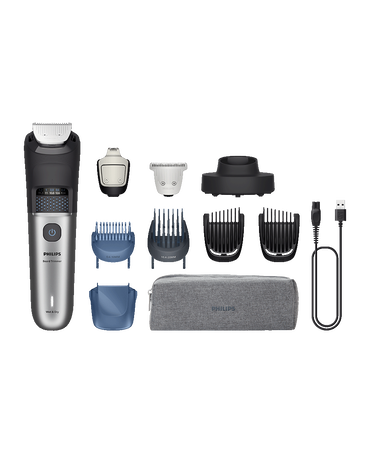
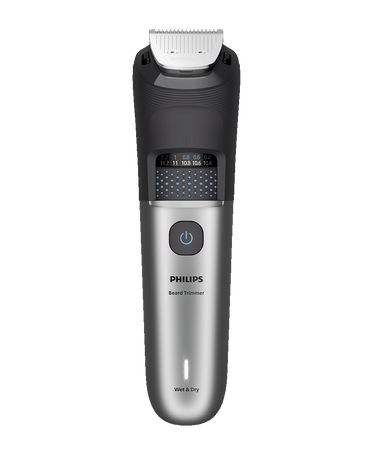
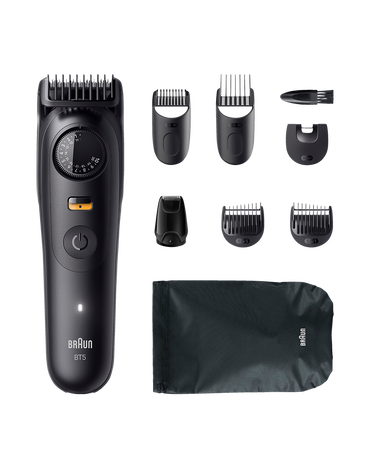
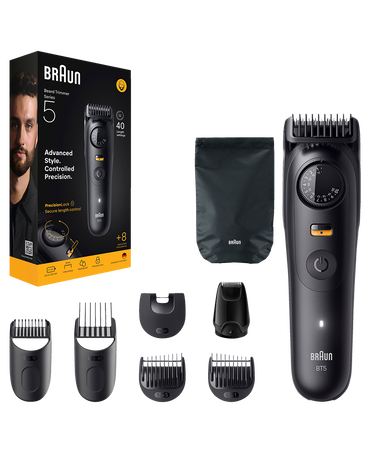
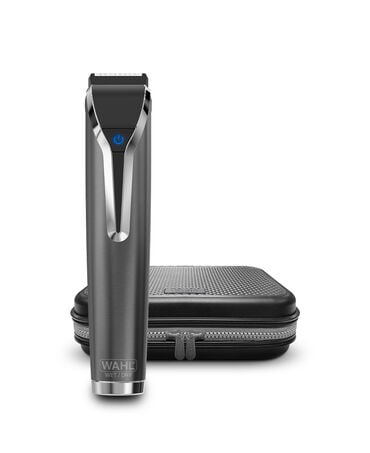
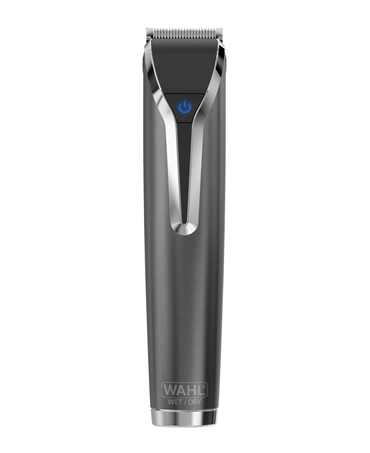
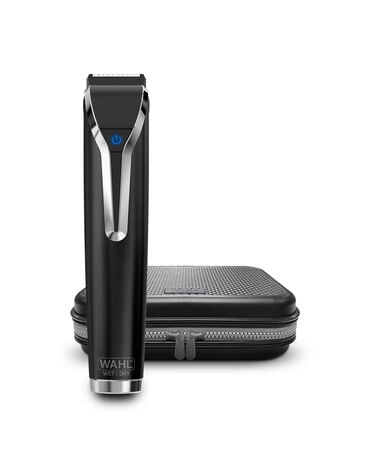
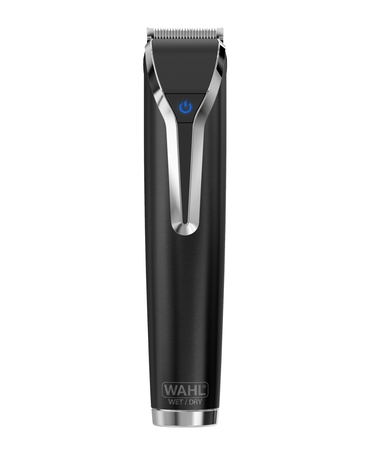
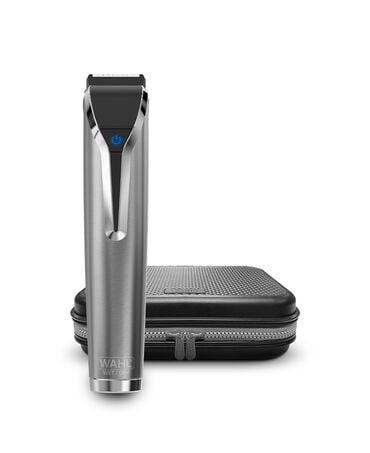
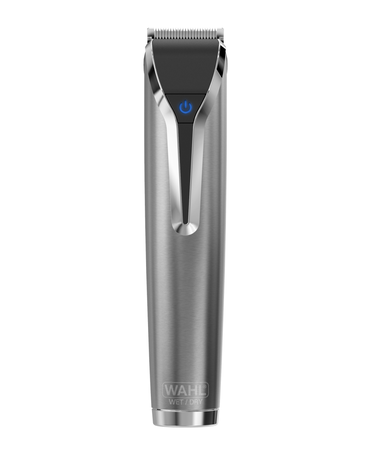
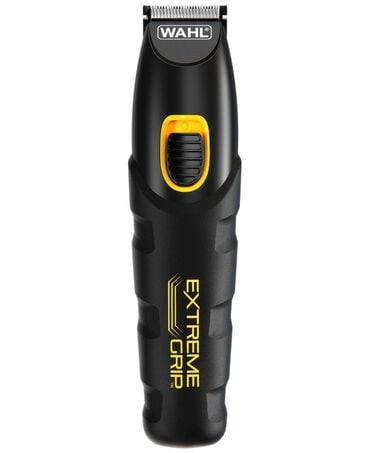
We have a carefully curated range of beard trimmers especially picked for your beard grooming needs! Shop now to find your new look.



.jpg?sw=370)