Brushing only cleans part of your mouth. The tight gaps between your teeth and along the gumline are where plaque and food love to hide - and that's exactly where a water flosser comes in. This guide covers how water flossers work, how they compare to string floss, and which type suits your mouth, your bathroom and your routine.
Why use a water flosser
Even the best toothbrush can't fully reach the spaces between your teeth. Left alone, the plaque that builds up there can lead to gum inflammation, bleeding gums and decay - which is why dentists recommend cleaning between your teeth every day.
The trouble is, plenty of us find string floss fiddly, uncomfortable or easy to skip. A water flosser makes the job simpler. A targeted stream of water flushes out food and plaque from between teeth and below the gumline, without the need to wind floss around your fingers or work it into tight spaces.
What you get from water flossing:
- A thorough clean between teeth and along the gumline
- An easier, more comfortable alternative to string floss
- A gentle option for sensitive or bleeding gums, with adjustable pressure
- An easy way to clean around braces, bridges, crowns and implants
- A fresher-feeling mouth that's easy to keep up every day
How a water flosser actually works
Every water flosser has the same basic setup: a water reservoir, a pump and a handle with a narrow tip. The pump pushes a pulsating stream of water through the tip, which you direct along the gumline and between each tooth.
The pulsing action does two jobs at once. The water flushes out food and plaque from places a toothbrush can't reach, and the gentle pressure stimulates the gums as it goes. Adjustable pressure settings let you dial the stream up or down to suit how sensitive your gums are.
What changes from one water flosser to the next is the size of the reservoir, the range of pressure settings, the tips included, and whether it plugs into the wall or runs on a battery.
Water flosser vs string floss
String floss and water flossers both clean between your teeth - they just go about it differently. String floss physically scrapes plaque from the sides of each tooth, while a water flosser uses a pulsating stream of water to flush plaque and food away.
Research has found water flossers can be as effective as string floss at reducing plaque and gum bleeding, and many people find them far easier to use consistently. That consistency is what really counts - the best way to clean between your teeth is the one you'll actually do every day.
A water flosser can be the better choice if you:
- Find string floss fiddly, uncomfortable or hard to keep up
- Wear braces or have bridges, crowns or implants
- Have sensitive or bleeding gums
- Have limited dexterity or find it hard to reach the back of your mouth
Some people like to use both - a water flosser for daily convenience and string floss for very tight contacts. Your dentist can recommend the best approach for your teeth.
Countertop vs cordless
Most water flossers fall into one of two camps. Both clean effectively - the difference is in power, convenience and how much space they take up in the bathroom. Here's what each one does and who it suits.
Countertop
A base unit with a large water reservoir, connected to a handle by a hose.
Cordless
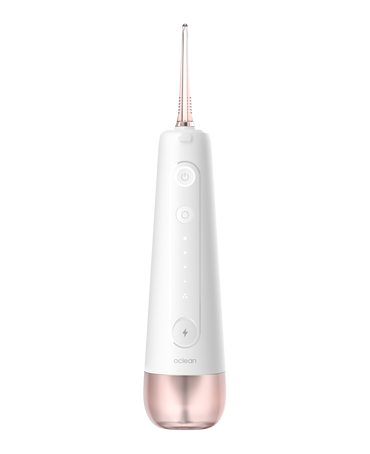
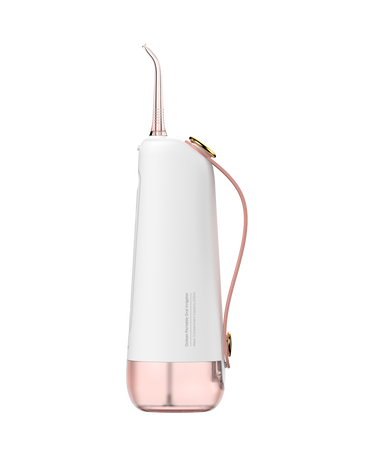
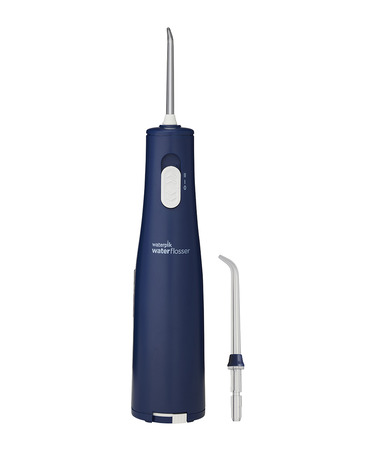
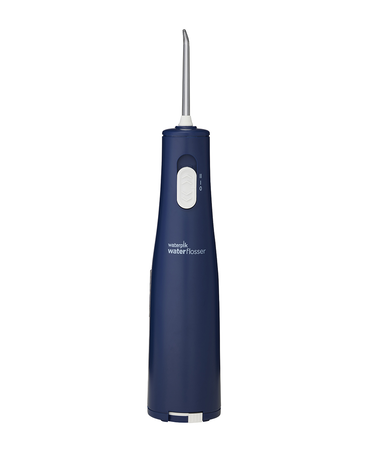
A compact handheld unit with the water tank built into the handle.
There's no single "best" type. If you've got the bench space and want the most adjustable clean, a countertop model is hard to beat. If convenience and portability matter more, a cordless flosser gives you an effective clean in a fraction of the space.
What separates a good water flosser from a great one
A few things really shape how a water flosser performs day to day, and how easy it is to make part of your routine. These are the ones worth paying attention to.
Pressure settings
Adjustable pressure lets you start gently and build up as your gums get used to water flossing. More settings give you finer control, which is especially useful for sensitive gums or for households where several people share one flosser.
Reservoir capacity
A larger reservoir means you can finish a full session without stopping to refill. Countertop models typically hold the most water, while cordless models trade capacity for portability.
Flossing modes
Some water flossers include different modes, such as a standard clean, a gentler pulse for sensitive gums or a massage mode for gum stimulation. They're not essential, but they let you tailor the clean to how your mouth feels on the day.
Timer and pacer
A built-in timer and pacer prompt you to move around your mouth, so you give every area the same attention. It's a simple feature that helps you build a consistent habit.
Tip range and rotation
The range of tips included - and available to buy separately - determines how well you can tailor the clean to braces, implants or gum care. A tip that rotates in the handle makes it easier to reach the back teeth and inner surfaces.
Battery life and water resistance
For cordless models, a long-lasting battery and good water resistance make all the difference. Some cordless flossers can be used in the shower, which keeps any mess out of the bathroom sink.

Matching a water flosser to your mouth
The "best" water flosser depends on your teeth, your gums and your bathroom. Here's a quick guide.
Braces and orthodontics
A countertop model with an orthodontic tip is ideal for cleaning around brackets and wires, where food and plaque build up quickly. Always follow the advice of your orthodontist.
Implants, crowns and bridges
A water flosser makes it easier to clean around and under dental work. Look for a model with a range of pressure settings and specialised tips, and check with your dentist for advice on the best approach.
Sensitive or bleeding gums
Choose a flosser with a low starting pressure and plenty of fine adjustments, so you can start gently and build up over time. A little bleeding in the first couple of weeks is common - if it continues, it's worth seeing your dentist.
Small bathrooms and travel
A cordless water flosser is compact, battery-powered and easy to pack, and some can be used in the shower. It's the easy choice when bench space is limited.
Shared households
A countertop model with a large reservoir, wide pressure range and colour-coded tips works well when the whole family is using one flosser.
First-time water flosser users
Start on the lowest pressure setting with the standard tip, and build up as you get comfortable. The first few sessions can feel a little strange - give it a week or two, and it'll feel like second nature.
How to use a water flosser
Water flossing is simple once you get the hang of it. A few habits make the clean more thorough and keep the bathroom a lot drier.
- Fill the reservoir with lukewarm water
- Start on the lowest pressure setting, especially if you're new to water flossing
- Lean over the sink and place the tip in your mouth before switching the flosser on
- Close your lips enough to stop splashing, while letting the water drain into the sink
- Aim the tip at the gumline at around 90 degrees
- Start with the back teeth and work your way around, following the gumline
- Pause briefly between each tooth to let the water flush the gap
- Clean both the outer and inner sides of your teeth
- Switch the flosser off before taking it out of your mouth
- Water floss at least once a day
Two habits do most of the heavy lifting: start gently, and take your time between each tooth. Higher pressure isn't always better - the right setting is the one that cleans thoroughly and still feels comfortable.
Flosser tips and accessories
The tip you use changes the clean just as much as the flosser itself. Here's what's on offer and where each one earns its place.
Standard jet tips
The everyday tip that comes with most water flossers, designed for a thorough clean between teeth and along the gumline. A great default for most people.
Orthodontic tips
Tips with a small brush at the end for cleaning around brackets and wires. A must-have if you or someone in your household has braces.
Plaque tips
Tips with fine bristles designed to target plaque around implants, crowns, bridges and other dental work.
Periodontal tips
Soft, narrow tips designed to deliver water gently below the gumline. Worth asking your dentist about if you're managing gum health.
Tongue cleaners
A tip designed to clean the surface of the tongue, where bacteria that cause bad breath build up.
Travel cases and tip storage
Many cordless models come with a travel pouch, and many countertop models include tip storage on the base to keep tips clean and organised.
Water flossing in your oral care routine
A water flosser works best as part of a complete routine, not as a replacement for brushing. Put these habits together and you've got your whole mouth covered.
Brush twice a day
Two minutes, morning and night, with a fluoride toothpaste. An electric toothbrush makes it easier to get a thorough, consistent clean every time - see our electric toothbrush buying guide to find the right one.
Water floss once a day
Clean between your teeth and along the gumline at least once a day. Many people find the night-time routine the easiest time to fit it in.
Don't forget your tongue
A gentle brush of the tongue, a tongue scraper or a tongue cleaning tip at the end of your routine keeps your mouth feeling fresher for longer.
Spit, don't rinse
After brushing, spit out the excess toothpaste but don't rinse, so the fluoride stays on your teeth and keeps protecting them.
Visit your dentist
Regular check-ups and professional cleans pick up problems early. Your dentist can also recommend the best tips, pressure settings and routine for your mouth.
Caring for your water flosser
A bit of care keeps your water flosser clean, hygienic and performing at its best.
- Empty the reservoir after each use and leave it to air dry
- Rinse the tip under running water after every use
- Clean the reservoir regularly with warm water, following the manufacturer's instructions
- If you have hard water, descale the flosser periodically to prevent mineral build-up
- Wipe the handle and base down with a damp cloth
- Replace the tip around every three to six months, or sooner if it looks worn
- Use your own tip - share the flosser if you like, but never a tip
If the water pressure feels weaker than usual, check that the tip is clicked in properly and the reservoir is seated correctly. Mineral build-up from hard water can also reduce pressure, so a clean usually sorts it out.
Questions we get in store all the time
01 Q: Is a water flosser better than string floss?
A: Whether a water flosser is better than string floss depends on what you'll stick with - research has found water flossers can be as effective as string floss at reducing plaque and gum bleeding. Many people find them easier and more comfortable to use every day, particularly around braces, bridges and implants. Either way, you still need to brush twice a day.
02 Q: Countertop or cordless - which water flosser is better?
A: Choosing between a countertop and a cordless water flosser comes down to your space and how you'll use it. Countertop models offer more pressure settings and a larger reservoir, while cordless models are compact, portable and easy to store. Both deliver an effective clean.
03 Q: Should I use a water flosser before or after brushing?
A: You can use a water flosser before or after brushing - the most important thing is doing it every day. Many dentists suggest flossing first to clear food and plaque from between your teeth, then brushing so the fluoride from your toothpaste stays on your teeth.
04 Q: How often should I use a water flosser?
A: You should use a water flosser at least once a day. Most people find it easiest to make it part of their night-time routine, when cleaning away the day's food and plaque matters most.
05 Q: Are water flossers good for braces?
A: Water flossers are a great choice for braces, as the stream of water flushes out food and plaque from around brackets and wires that string floss can struggle to reach. Orthodontic tips are available to make the clean even more thorough. Always follow the advice of your orthodontist.
06 Q: Can I use a water flosser with implants, crowns and bridges?
A: You can generally use a water flosser with implants, crowns and bridges, and many dentists recommend them for cleaning around dental work. If you've had recent dental work or have any concerns, check with your dentist first.
07 Q: Is it normal for my gums to bleed when I start water flossing?
A: It's normal for your gums to bleed a little when you start water flossing, especially if you haven't been cleaning between your teeth regularly. Start on the lowest pressure setting, and the bleeding should ease as your gums get healthier. If it continues after a couple of weeks, it's worth checking in with your dentist.
08 Q: Can I put mouthwash in my water flosser?
A: Whether you can put mouthwash in your water flosser depends on the model, so check the manufacturer's instructions first. Some allow a small amount of diluted mouthwash, while others recommend water only, as some ingredients can damage internal parts. Lukewarm water is the safest and most comfortable choice.
09 Q: Are water flossers messy?
A: Water flossers can be a little messy at first, but it gets easier quickly. Lean over the sink, close your lips enough to stop splashing while letting the water drain out, and switch the flosser on only once the tip is in your mouth. Most handles also have a pause button so you can stop the water between sections.
10 Q: How often should I replace the flosser tip?
A: You should replace your water flosser tip around every three to six months, depending on the tip type and the manufacturer's guidance. Replace it sooner if it looks worn or damaged, as an old tip won't direct the water as effectively.
11 Q: Can my family share a water flosser?
A: Your family can share a water flosser, as long as everyone uses their own tip. Many brands include colour-coded tips so you can tell them apart, and countertop models often have storage for several tips on the base. Never share a tip, as it can spread bacteria.
12 Q: Can kids use a water flosser?
A: Kids can use a water flosser, and it can be a fun way to build good habits early. Check the age guidance for the model, start on the lowest pressure setting, and supervise younger children while they use it.
Water Flossers
We've curated our range of water flossers to cover every mouth, every bathroom, and every budget - from compact cordless models for travel to full countertop systems for the whole family. Whatever your routine needs, there's something in the range to suit.




.jpg?sw=370)

.jpg?sw=370)