Choosing an electric toothbrush can feel like a lot to weigh up - sonic or oscillating, pressure sensors, brushing modes, smart apps, and price points from a quick upgrade on a manual brush to a fully connected premium handle. This guide cuts through it, so you can walk away knowing exactly what to look for, why it matters, and which brush suits the way you actually brush.
Why go electric
A manual toothbrush can clean your teeth well - but only if your technique is spot on, every time, for the full two minutes. That's where most of us fall short. We rush, we press too hard, we skip the back molars, and we stop well before the two minutes are up.
An electric toothbrush takes most of that guesswork out of the equation. The head does the scrubbing for you, delivering thousands of consistent movements that no hand can match, so your job is simply to guide it from tooth to tooth. Independent research reviews have found that powered toothbrushes remove more plaque and reduce gum inflammation more effectively than manual brushes over time.
What you get from switching:
- A more thorough clean with less effort, particularly along the gumline and between teeth
- A built-in timer that keeps you brushing for the full two minutes
- Pressure sensors on many models that warn you when you're brushing too hard
- A consistent result every time, no matter how tired or rushed you are
- That smooth, just-left-the-dentist feeling, every morning and night
How an electric toothbrush actually works
Every electric toothbrush has the same basic setup: a rechargeable battery and a motor in the handle, driving a brush head at high speed. What changes from one brush to the next is how that head moves - and that movement is what defines the clean you get.
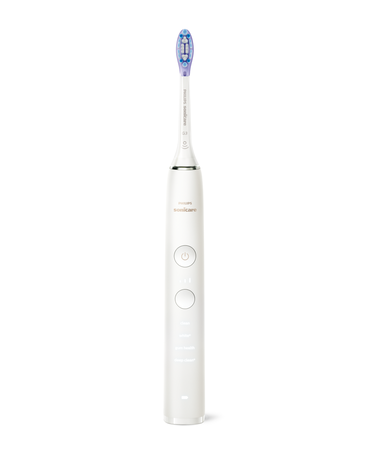
Some brushes vibrate a traditional brush-shaped head side to side at very high speed. Others use a small round head that oscillates back and forth around each tooth. The newest designs use magnetic drive systems that transfer power to the head without mechanical parts grinding against each other, for a smoother, quieter clean.
Two electric toothbrushes might look similar on the shelf but feel completely different in the mouth. The movement type, the smart features built into the handle, and the brush head you pair it with all shape what you actually get out of each brush.
Sonic vs oscillating vs magnetic
Most electric toothbrushes fall into one of three camps. All three are proven to clean well - the difference is in how they move, how they feel, and which one you'll actually enjoy using twice a day. Here's what each one does and who it suits.
Sonic
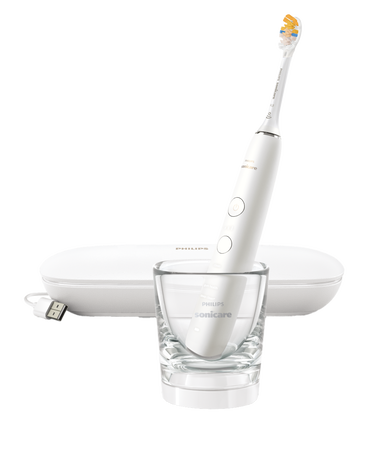
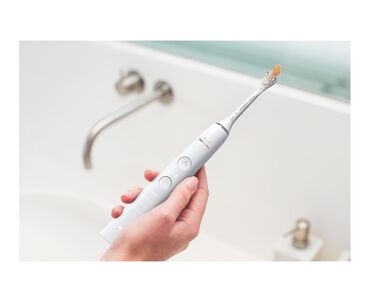
A traditional brush-shaped head that vibrates side to side at very high speed.
Oscillating
A small round head that oscillates and rotates to cup and clean each tooth individually.
Magnetic
A round head powered by magnetic drive, pairing oscillation with micro-vibrations.
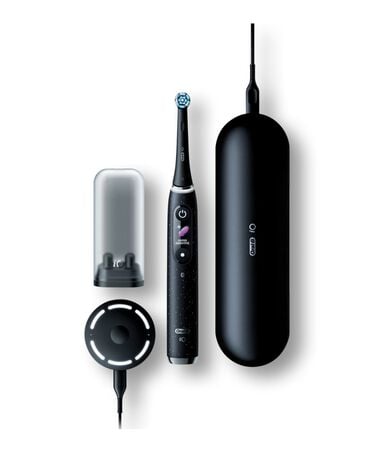
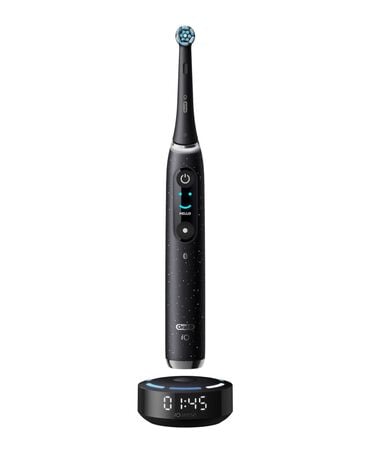
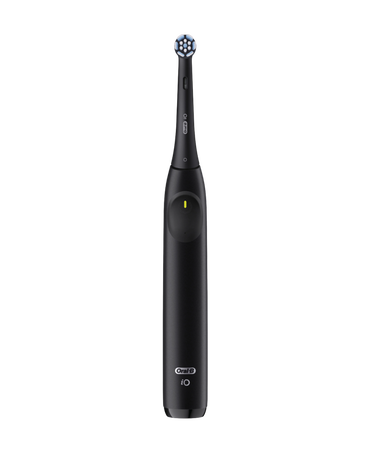
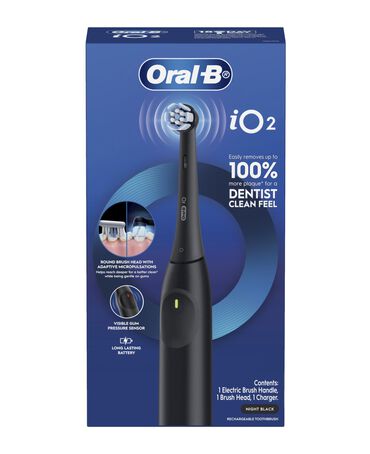
Magnetic drive technology is most closely associated with Oral-B's iO range, which uses magnets to power the brush head rather than traditional mechanical gearing. Because there's less friction inside the handle, the movement feels smoother and runs more quietly - while still delivering the focused, tooth-by-tooth clean of a round head.
There's no single "best" movement type. Dentists will tell you the best toothbrush is the one you'll use properly, twice a day, for the full two minutes - so the right pick is the one that feels most comfortable to you.
What separates a good electric toothbrush from a great one
A few things really shape how an electric toothbrush performs day to day, and how your mouth feels between dental visits. These are the ones worth paying attention to.
Pressure sensor
Brushing too hard is one of the most common habits dentists see, and over time it can wear down enamel and push gums back. A pressure sensor alerts you - usually with a light, a change in the brush's movement, or both - the moment you're pressing too hard. It's one of the most valuable features you can have, particularly if you're a firm brusher.
Built-in timer
Most electric toothbrushes include a two-minute timer, and many add a quadrant pacer that pulses every 30 seconds to tell you when to move to the next section of your mouth. It's a simple feature that makes a genuine difference to how evenly you clean.
Brushing modes
Entry-level brushes usually offer one or two modes. Mid-range and premium brushes add dedicated settings such as sensitive, gum care, whitening and deep clean, so you can tailor the clean to your mouth on any given day. More modes aren't essential, but a gentler sensitive setting is worth having if your gums tend to bleed or feel tender.
Smart features and app connectivity
Premium brushes can connect to an app via Bluetooth to track your brushing, show which areas you've covered or missed, and coach your technique over time. Some also include a display on the handle for real-time feedback. If you like data and want to genuinely improve your habits, it's a feature you'll actually use.
Battery life and charging
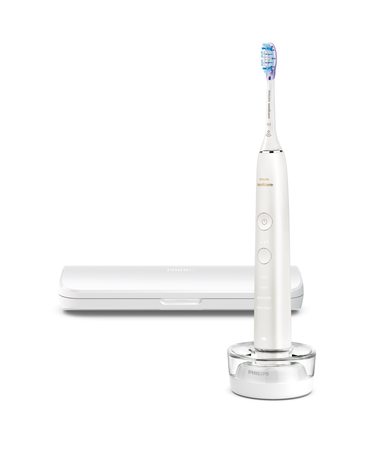
Battery life varies widely between models. Better brushes use lithium-ion batteries that last longer between charges and include a battery indicator, so you're never caught with a flat brush. Some premium models also come with a travel case that doubles as a charger.
Brush head compatibility
The brush head does the actual cleaning, so it pays to check which heads fit your handle before you buy. Most brands offer a range of heads for different needs - from gentle clean to deep clean - and the wider the range, the more you can tailor your clean over time.
Matching a toothbrush to your mouth
The "best" electric toothbrush depends on your teeth, your gums, and how you like to brush. Here's a quick guide.
Sensitive teeth and gums
Look for a brush with a dedicated sensitive mode, a pressure sensor, and soft or extra-soft brush heads. Sonic brushes are often a comfortable choice here, though any movement type works well when paired with a gentle head and a light touch.
Plaque build-up and staining
A round oscillating or magnetic head is great at working around each tooth individually. Pair it with a deep clean or whitening mode and a polishing brush head to lift surface stains from tea, coffee and red wine.
Gum health
A gum care mode, a pressure sensor and soft bristles are the combination to look for. Angling the brush gently towards the gumline is where an electric toothbrush really earns its keep - and if your gums bleed regularly, it's worth checking in with your dentist too.
Braces and orthodontics
Electric toothbrushes are well suited to braces, as the fast movements help clear food and plaque around brackets and wires. Some brands offer orthodontic brush heads designed specifically for this. Always follow the advice of your orthodontist.
Firm brushers
If you tend to scrub, a pressure sensor is non-negotiable. It trains you out of the habit over time and protects your enamel and gums along the way.
Kids
Kids' electric toothbrushes come with smaller heads, softer bristles and gentler settings, and many include fun timers or apps that make two minutes of brushing feel less like a chore. Check the age guidance on the pack and supervise younger children while they brush.
First-time electric toothbrush users
A mid-range brush with a pressure sensor, a two-minute timer and a quadrant pacer is the friendliest place to start. The first few brushes can feel a little ticklish - give it a week or two, and you won't want to go back.

How to brush properly
A good electric toothbrush does most of the work, but technique still counts. The biggest mistake people make is brushing with an electric the same way they brushed with a manual.
- Apply a pea-sized amount of fluoride toothpaste to the brush head
- Place the brush in your mouth before switching it on, to avoid splatter
- Angle the bristles at around 45 degrees towards the gumline
- Let the brush do the work - no scrubbing, just guide it slowly from tooth to tooth
- With a round head, pause on each tooth for a moment and follow the curve of the tooth
- With a sonic head, glide slowly along the teeth in a gentle sweeping motion
- Split your mouth into four quadrants and spend 30 seconds on each
- Clean the outer, inner and chewing surfaces of every tooth
- Brush for the full two minutes, twice a day
- Spit out the excess toothpaste, but don't rinse - leaving fluoride on your teeth gives them extra protection
Two habits do most of the heavy lifting: let the brush do the work, and keep going for the full two minutes. Pressing harder doesn't clean better - it just wears the bristles out faster and puts your gums under pressure.
Brush heads and accessories
The brush head you choose changes the clean you get just as much as the handle does. Here's what's on offer and where each one earns its place in the bathroom.
Everyday clean heads
The standard head that ships with most brushes, designed for a thorough daily clean. A great default for most people.
Sensitive heads
Softer, finer bristles for a gentler clean on tender teeth and gums. Worth switching to if your standard head ever feels too firm.
Deep clean and plaque control heads
Angled or denser bristle arrangements designed to reach between teeth and along the gumline, for a more intensive clean.
Whitening and polishing heads
Heads with a polishing element to help lift surface stains. They work on everyday staining, not on the natural colour of your teeth.
Orthodontic heads
Specially shaped heads for cleaning around brackets and wires. A useful addition if you or someone in your household has braces.
Travel case and charging accessories
A travel case keeps the brush head clean and protected in a bag. Some premium models include a charging travel case, so you don't need to pack the charger separately.
Building a complete oral care routine
An electric toothbrush is a big step up, but brushing is only part of a full oral health routine. A toothbrush can't fully reach the tight gaps between teeth, which is exactly where plaque and food love to hide. A great oral care routine brings a few simple habits together.
Brush twice a day
Two minutes, morning and night, with a fluoride toothpaste. Night-time brushing matters most, as saliva flow slows while you sleep and your teeth are left more exposed.
Clean between your teeth daily
Flossing, interdental brushes or a water flosser clean the spaces your toothbrush can't reach. Water flossers use a pressurised stream of water to flush out food and plaque, and many people find them easier and more comfortable to use every day than string floss - particularly around braces, bridges and implants. Check out our water flosser buying guide for more information on water flossers.
Don't forget your tongue
Bacteria build up on the tongue and are a common cause of bad breath. A gentle brush of the tongue or a tongue scraper at the end of your routine keeps your mouth feeling fresher for longer.
Choose the right toothpaste
A fluoride toothpaste is the foundation, with sensitive, whitening and gum care formulas available if you want to target something specific. Spit, don't rinse, so the fluoride stays on your teeth.
Replace your brush head regularly
Worn bristles clean far less effectively. Replace your brush head every three months, or sooner if the bristles start to splay.
Visit your dentist
Regular check-ups and professional cleans pick up problems early, before they become bigger ones. Your dentist can also recommend the best brush head, mode and routine for your mouth.
Brush, clean between, and check in with your dentist. Put those three together and you've got a routine that looks after your teeth and gums for the long run.
Caring for your electric toothbrush
A bit of care keeps your toothbrush clean, hygienic and performing at its best for years.
- Rinse the brush head thoroughly under running water after every use
- Remove the head every so often and rinse the connection point to clear toothpaste build-up
- Wipe the handle down with a damp cloth to keep it clean
- Store the brush upright and let it air dry - avoid covering a wet head
- Replace the brush head every three months, or sooner if the bristles look worn
- Replace the brush head after you've been unwell
- Use your own brush head - share a handle if you like, but never a head
If your brush starts to feel weaker than usual, it's often a sign the battery needs a full charge or the brush head needs replacing - not a fault with the brush itself.
When it's worth spending more
Every electric toothbrush cleans better than a manual brush used the same way. That's not in question. The difference between an entry-level model and a premium one shows up in the details - and in how much the brush helps you build better habits over time.
A premium electric toothbrush will:
- Warn you when you're pressing too hard, protecting your gums and enamel
- Offer more brushing modes, so you can tailor the clean to your teeth and gums
- Track your brushing through an app and show you the areas you're missing
- Deliver a smoother, quieter clean with the latest movement technology
- Last longer between charges, with a battery indicator and often a charging travel case
- Include extra brush heads and accessories in the box
- Feel more refined and comfortable in the hand, day after day
If you want to actively improve your brushing, or you're a firm brusher who'd benefit from real-time feedback, the step up pays off twice a day, every day. If you just want a better clean than your manual brush, a well-chosen entry or mid-range model with a timer and pressure sensor is usually plenty. The right choice depends less on the price tag and more on which features you'll actually use.
Questions we get in store all the time
01 Q: Are electric toothbrushes really better than manual toothbrushes?
A: Electric toothbrushes are better than manual toothbrushes for most people. Independent research reviews have found that powered toothbrushes remove more plaque and reduce gum inflammation more than manual brushes. The consistent movement, built-in timer and pressure sensors also help you brush properly without having to think about it.
02 Q: Sonic or oscillating - which is better?
A: Choosing between a sonic and an oscillating toothbrush comes down to personal preference - both clean effectively. Sonic brushes feel gentler and more like a manual brush, while oscillating brushes deliver a firmer, tooth-by-tooth clean. The best brush is the one you'll enjoy using properly, twice a day.
03 Q: What does a magnetic toothbrush do differently?
A: A magnetic toothbrush differs by using magnets to power the brush head instead of traditional mechanical gearing. This reduces friction inside the handle, so the round head moves more smoothly and quietly while pairing oscillation with gentle micro-vibrations.
04 Q: How often should I replace the brush head?
A: You should replace your electric toothbrush head every three months, or sooner if the bristles start to fray or splay. Many brush heads have indicator bristles that fade as they wear, and some smart brushes remind you when it's time for a new one. It's also a good idea to replace the head after you've been sick.
05 Q: Can an electric toothbrush damage my gums or enamel?
A: An electric toothbrush won't damage your gums or enamel when used properly. Damage usually comes from pressing too hard, which is just as much a risk with a manual brush. Let the brush do the work, use a soft brush head, and choose a model with a pressure sensor if you tend to brush firmly.
06 Q: Can I use an electric toothbrush with braces, crowns or implants?
A: You can generally use an electric toothbrush with braces, crowns, veneers, bridges and implants, and orthodontic brush heads are available for braces. If you've had recent dental work or have any concerns, check with your dentist or orthodontist first.
07 Q: Is an electric toothbrush good for sensitive teeth?
A: A new electric toothbrush tickles because your mouth isn't used to the high-speed movement yet - it's completely normal when you first switch from a manual brush. Most people get used to it within a week or two. Some brushes include an easy-start feature that gradually builds up the power over your first few uses.
08 Q: How long does the battery last?
A: How long an electric toothbrush battery lasts depends on the model. Entry-level brushes may need charging more often, while many mid-range and premium brushes with lithium-ion batteries last a couple of weeks or more on a full charge. Check the specs if you travel often.
09 Q: Do I still need to floss if I use an electric toothbrush?
A: You still need to floss if you use an electric toothbrush, because even the best toothbrush can't fully reach the tight spaces between your teeth. Cleaning between your teeth every day with floss, interdental brushes or a water flosser is an important part of a complete oral care routine.
10 Q: Can kids use an electric toothbrush?
A: Kids can use an electric toothbrush, and kids' models are designed with smaller heads, softer bristles and gentler settings. Check the recommended age on the pack, and supervise younger children to make sure they're brushing properly and not swallowing toothpaste.
Electric Toothbrushes
We've curated our range of electric toothbrushes to cover every mouth, every routine, and every budget - from your first step up from a manual brush to a fully connected premium handle. Whatever your smile needs, there's something in the range to suit.