

Shop Talk: Everything you need to know about Electric Toothbrushes

An electric toothbrush is one of those upgrades you feel straight away. Your teeth feel smoother, your mouth feels fresher, and brushing stops being a “did I do that properly?” moment. It’s simply easier to get a consistent clean twice a day, especially around the gumline and those back teeth that always get rushed.
Why Electric Feels Like An Instant Upgrade
A manual toothbrush can absolutely do the job, but the result depends on your technique, pressure, and timing. Electric takes a lot of that effort off your hands.
What most people notice after the switch:
A cleaner, just-polished feel across the teeth
Better gumline attention without needing to scrub
More consistent brushing thanks to built-in timers and pacing cues
Less pressure on gums, because the brush does the work
If you’re a quick brusher, a hard brusher, or you’re simply busy, electric is a smart way to make “good brushing” the default.
The real difference between a basic brush and a better one
Not all electric toothbrushes are built the same. The step-up models don’t just add bells and whistles, they make it easier to brush well every single day.
Here’s what tends to separate good from great:
Comfort + control
Better brushes usually have smarter pressure control. That means less chance of over-brushing your gums, and a more comfortable clean that still feels thorough.
Guidance you actually follow
Most brushes have a 2-minute timer, but higher models often make pacing more obvious (think quadrant timers, clearer alerts, or coaching features), so you’re less likely to miss areas.
Cleaning action that suits your mouth
Some brush heads and motions feel more targeted along the gumline, while others feel gentler and more sweeping. A better brush is often the one that matches your needs, because you’ll use it properly without thinking.
Battery and build quality
If you’ve ever had a brush fade halfway through the week, you’ll appreciate the difference here. Higher-end options tend to deliver stronger, steadier performance and longer battery life, plus nicer charging and travel extras that make it easier to keep up the habit.
Comparing Electric Toothbrush Technologies (And How They Feel To Use)
Most electric toothbrushes fall into a few main “movement” styles. Each one can deliver a great clean, but they feel different in the mouth and suit different preferences. Here’s how the three big ones compare.

Microvibrations
(Oral-B iO)
Oral-B iO combines an oscillating round brush head with microvibrations for a refined, controlled clean.
How it feels:
Controlled, cushioned, and comfortable. It tends to feel precise, especially around the gumline, with a noticeably “fresh-from-the-dentist” clean.
Why people choose it:
- A really satisfying clean feeling, especially along the gumline
- Often includes strong pressure control and coaching features
- Feels like a step up in comfort and guidance, not just power
Best suited for:
Anyone who wants that polished, high-care clean and likes a bit of guidance to help brush evenly.

Sonic
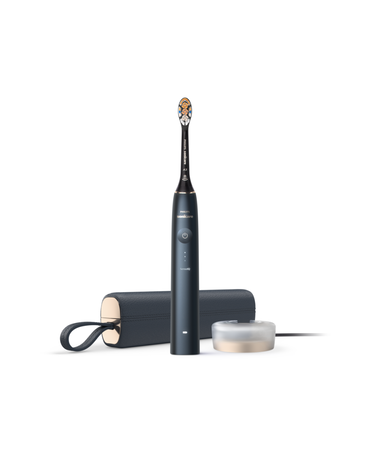
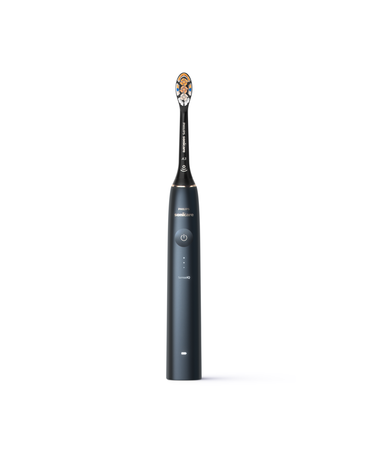
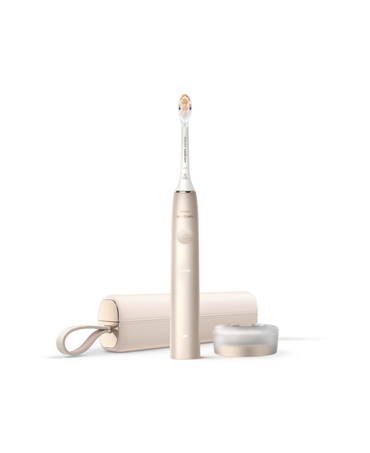
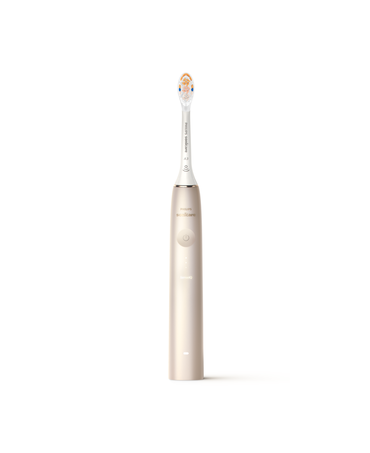
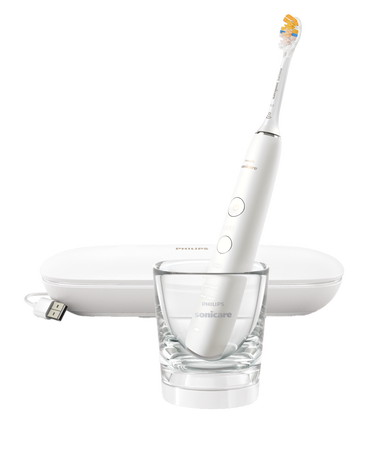
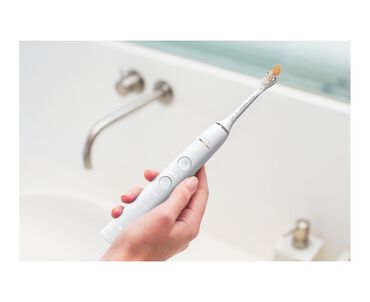
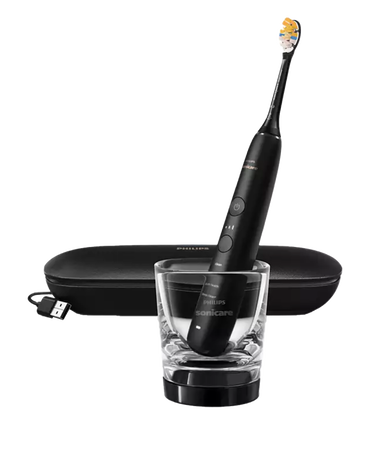
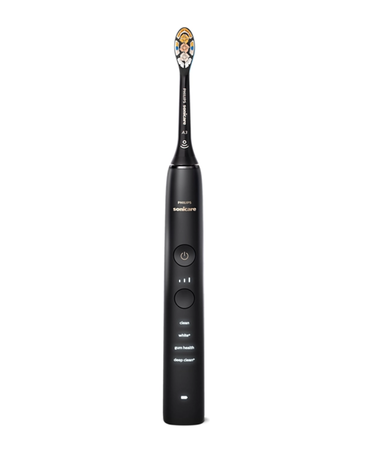
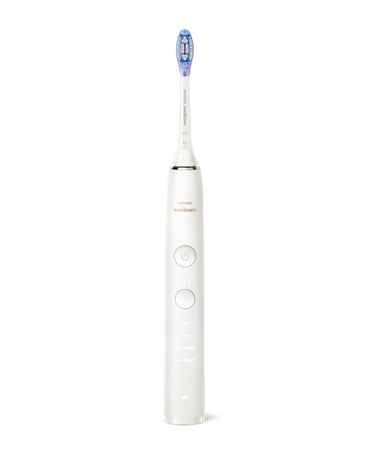
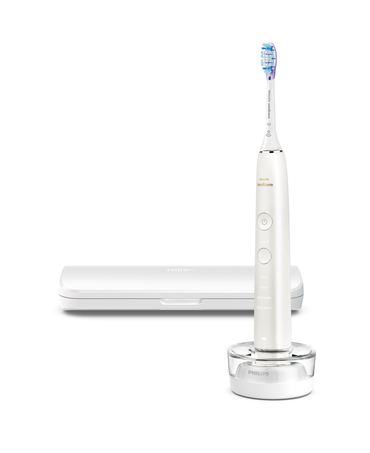
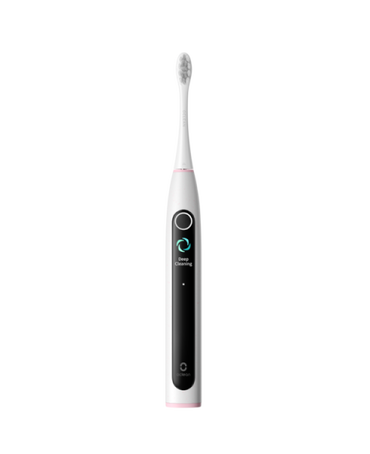
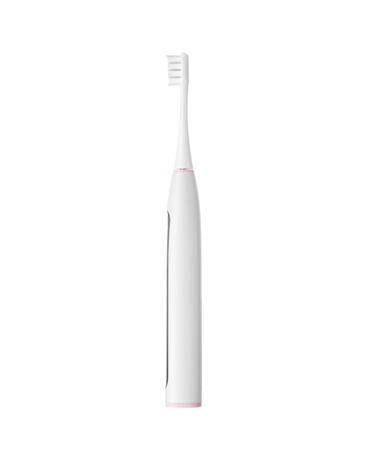
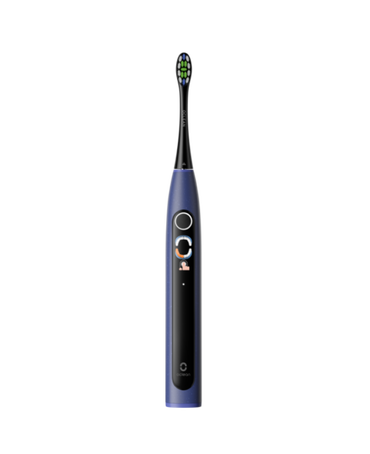
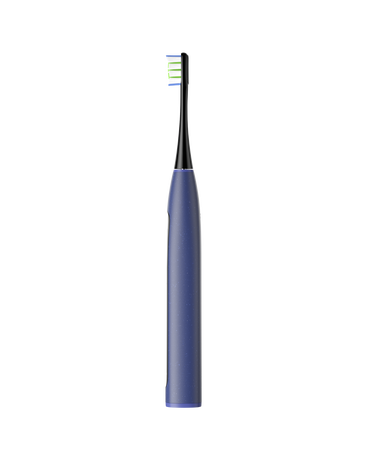
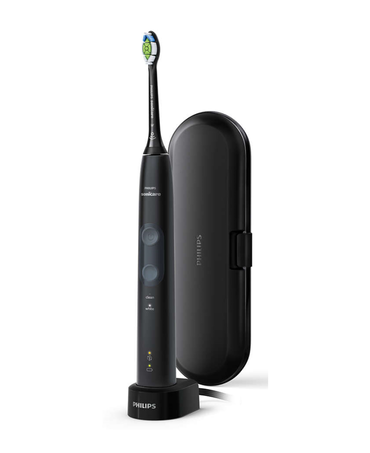
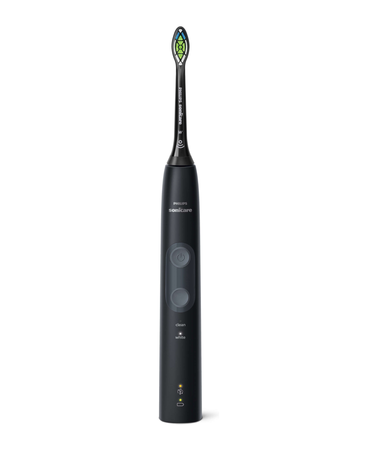
(Philips Sonicare, Oclean)
Sonic toothbrushes use high-speed vibrations to create a rapid brushing action through the bristles.
How it feels:
Light, fast, and “buzzy”. It can feel like it’s doing a lot with minimal effort, and many people love the smooth, polished finish it leaves.
Why people choose it:
- Feels gentle while still giving a thorough clean
- Great for people who like a quick, sweeping feel across the teeth
- Often a go-to for anyone moving from manual who wants something easy to get used to
Best suited for:
Everyday brushers who want a comfortable clean and a smooth finish, with minimal technique.

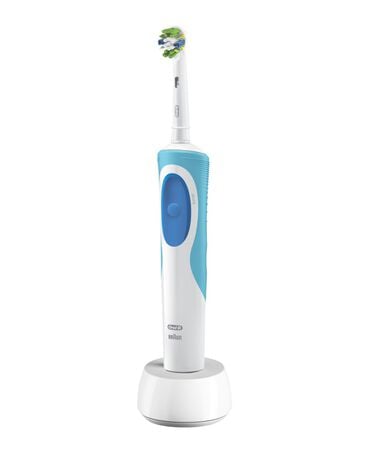
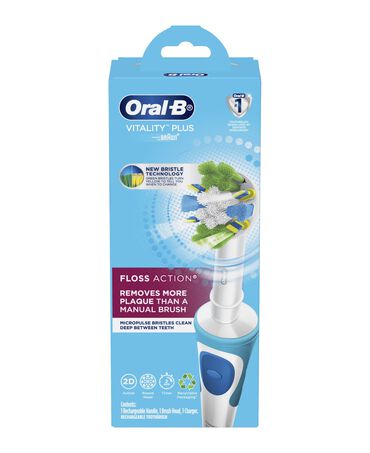
Oscillation
(Classic Oral-B)
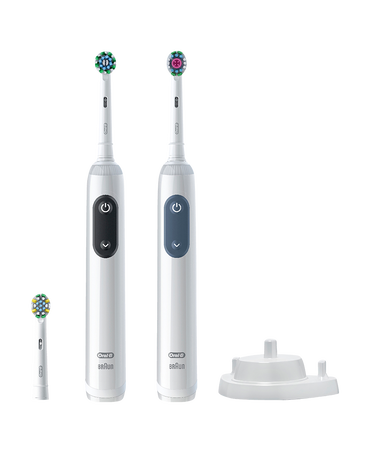
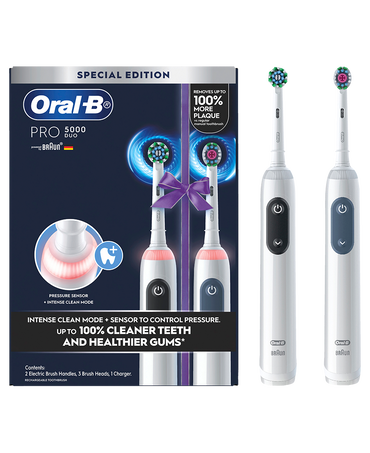
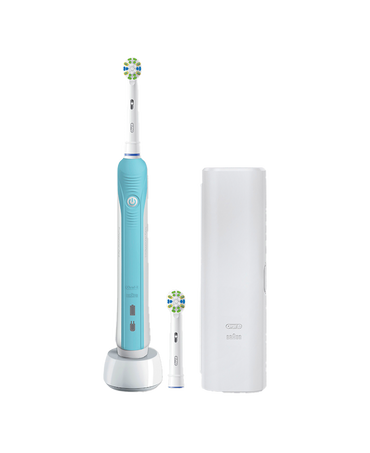
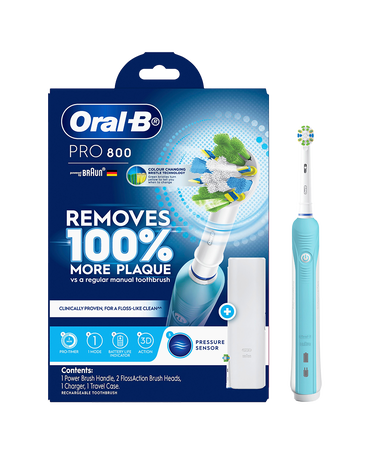
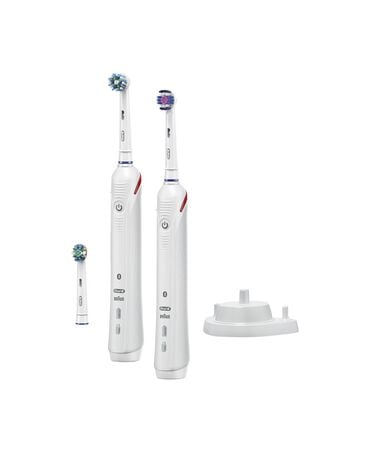
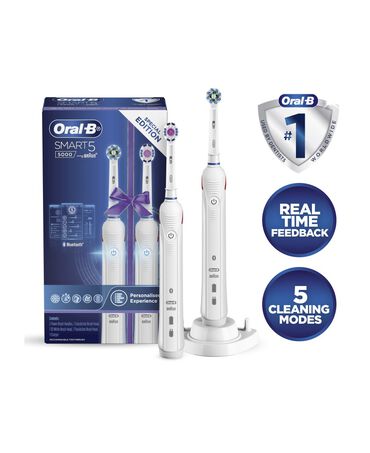
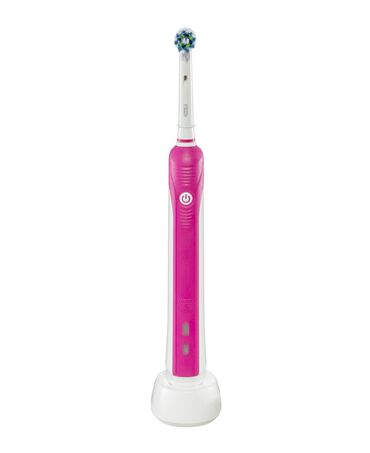
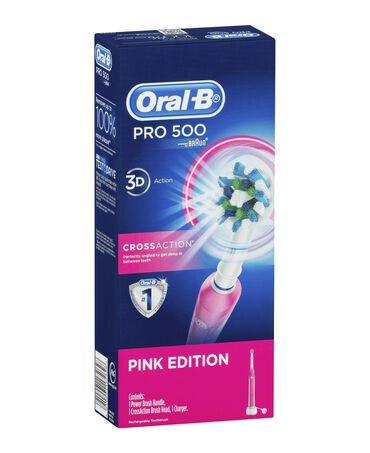
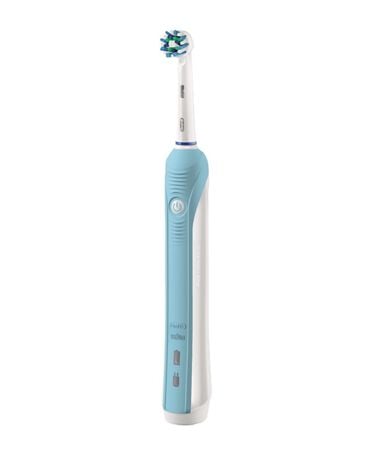
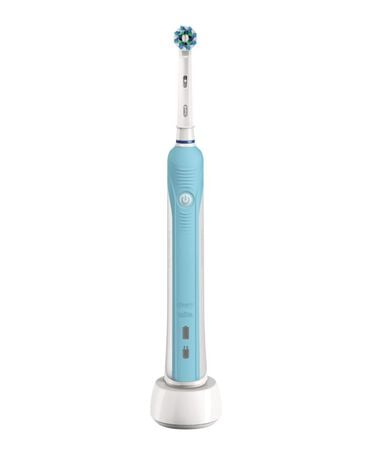
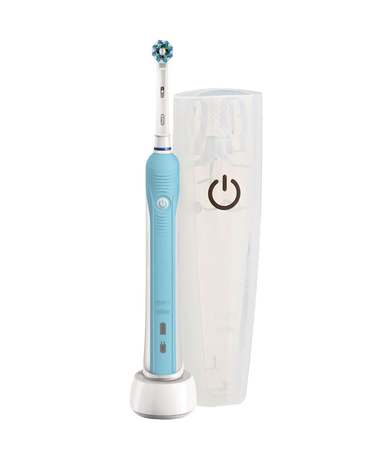
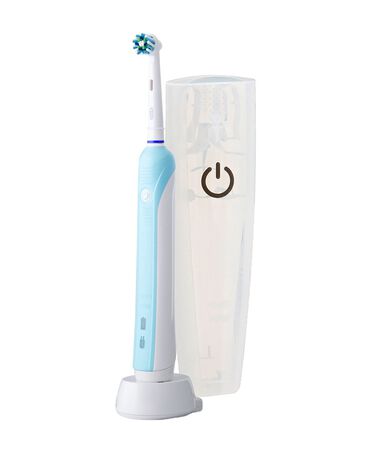
This is the classic Oral-B style: the round brush head oscillates and rotates to polish each tooth area.
How it feels:
More “mechanical” and punchy. You’ll usually feel it working on each tooth, which some people love because it feels direct and targeted.
Why people choose it:
- Strong, focused cleaning feel tooth-by-tooth
- Great for people who like a more noticeable brushing action
- Often excellent value, especially in mid-range models
Best suited for:
People who want a direct, targeted clean and prefer that classic round-head Oral-B feel.
Shop Microvibration Brushes
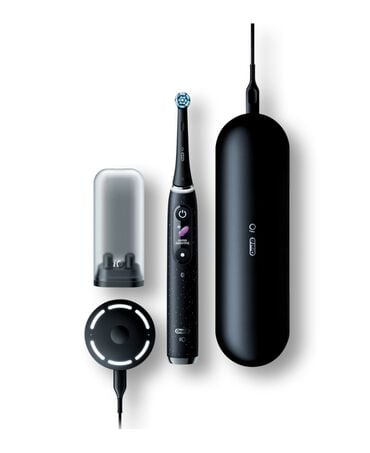
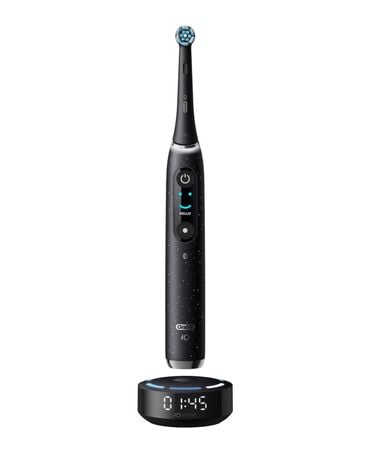

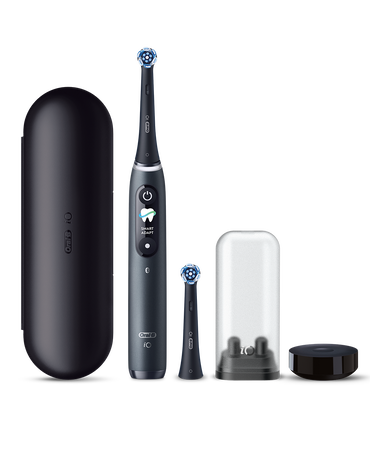
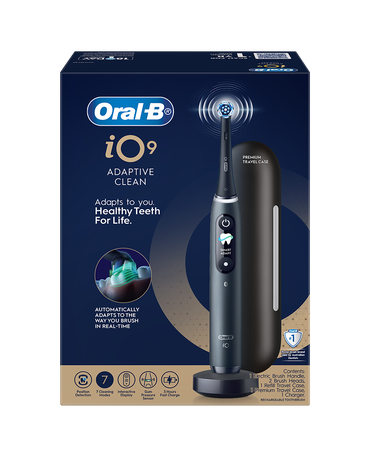
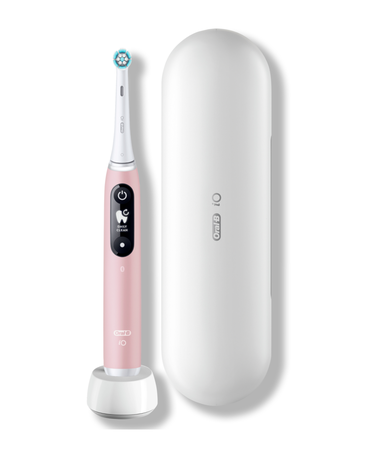
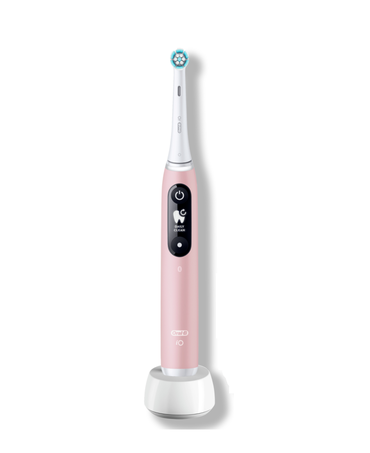
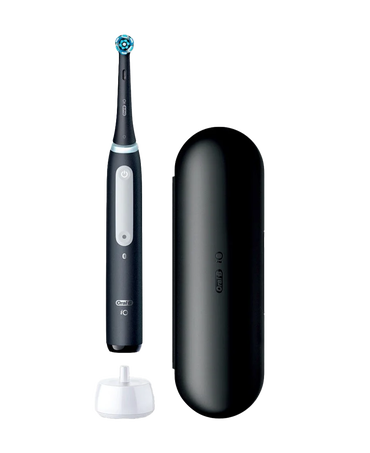
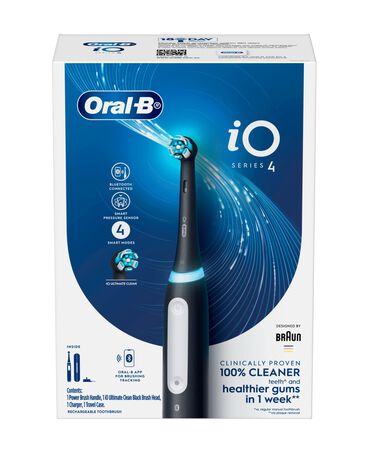
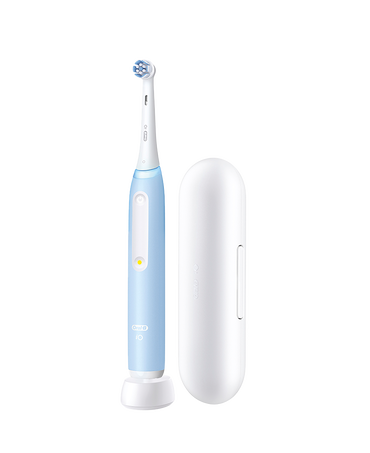
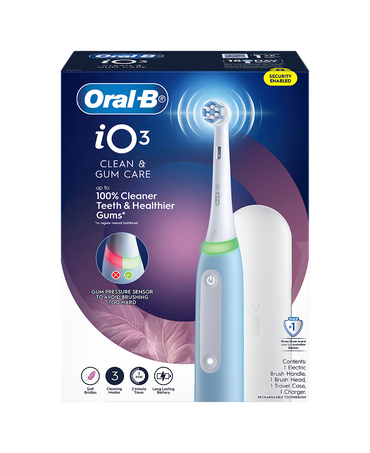
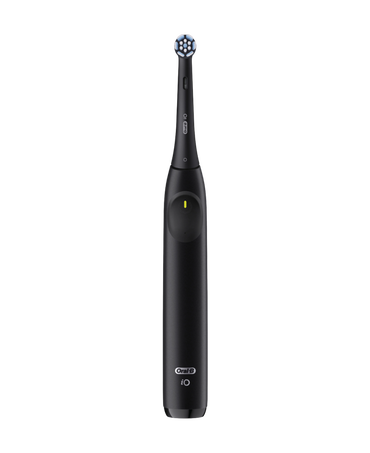
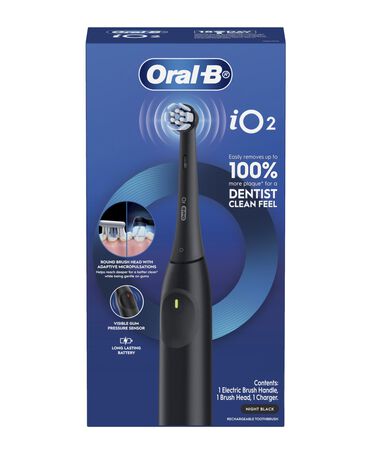
Shop Microvibration Brushes
Shop Sonic Brushes
Shop Sonic Toothbrushes
Shop Oscillating Brushes
Shop Oscillating Brushes
Finding the one that fits your routine
The “best” electric toothbrush is the one you’ll happily use twice a day.
A quick way to narrow it down:
Sensitive teeth or gums: look for gentle modes and strong pressure control
You want that extra-smooth, polished feel: choose options with polishing/whitening-style modes and refined brush head designs
You’re inconsistent or always rushing: prioritise clear timers, pacing cues, and coaching features
You travel a lot: go for strong battery life and a proper travel case
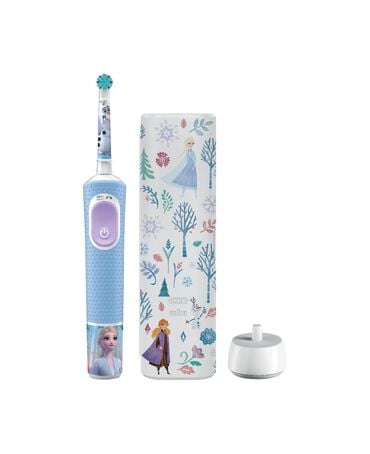
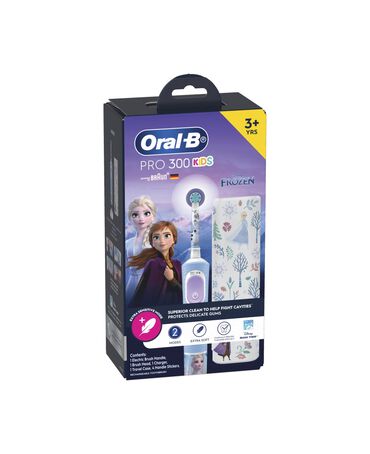
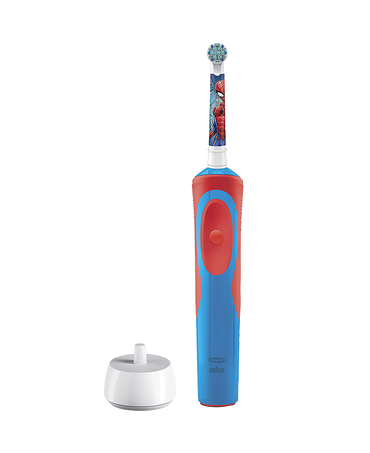
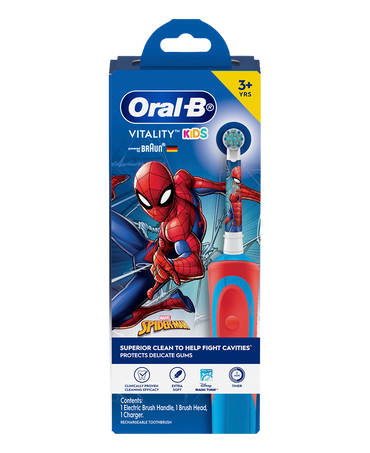
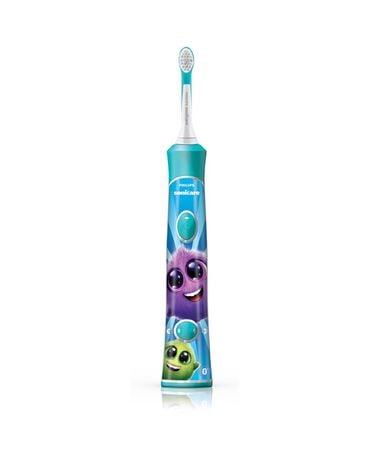
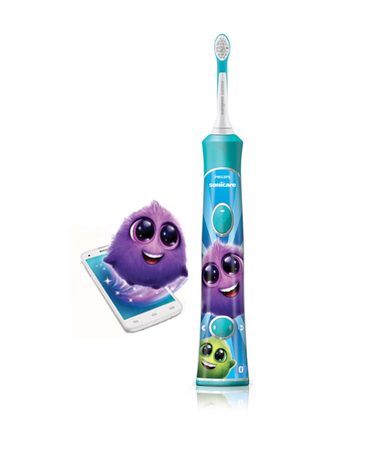
Kids’ electric toothbrushes
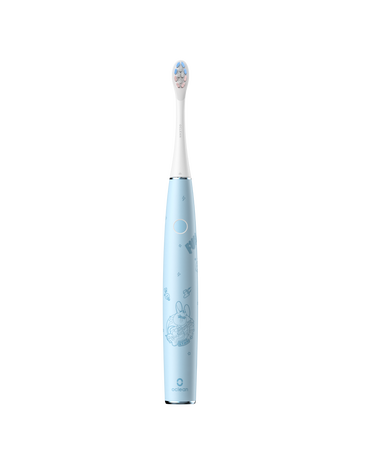
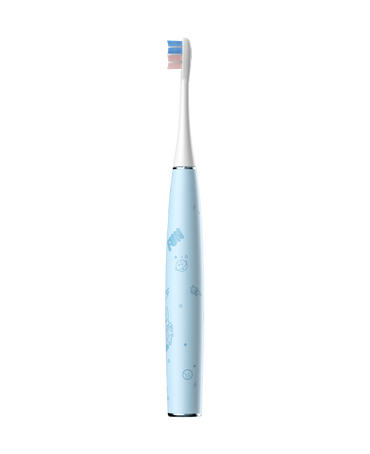
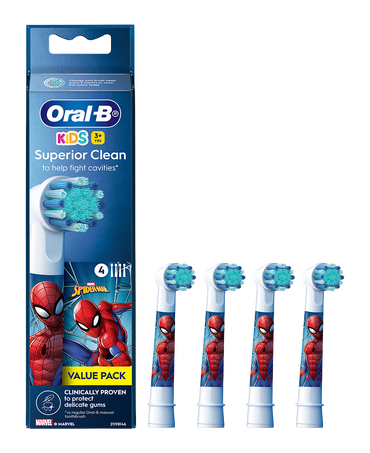
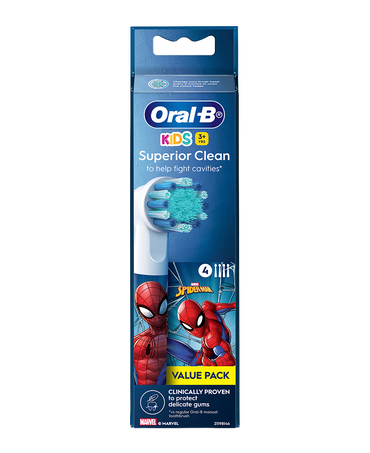
Kids’ electric toothbrushes make brushing easier to stick with, especially once you’re past the “two-second brush and sprint away” stage. They’re designed to be gentler in smaller mouths, with smaller brush heads, softer bristles, and simple timers that encourage the full two minutes without it turning into a negotiation.
They’re a great step when your child is starting to brush more independently, or if you’re trying to build better habits early. Stick with a pea-sized amount of toothpaste, keep pressure light, and replace the brush head regularly so it keeps cleaning well. Generally, electric toothbrushes are recommended from age 3 and up.
Shop Kids Brushes
Shop Kids Brushes
Care And Maintenance: Keep It Feeling New
A little care goes a long way, and it only takes a minute.
After each use
- Rinse the brush head thoroughly
- Shake off excess water
- Store upright so it can air-dry
Weekly quick clean
- Remove the brush head and rinse the connection point
- Wipe the handle if you’re using it around toothpaste splatter and water
Charging tips
- Charge as needed rather than leaving it flat for long periods
- If your model has a travel case, let the brush dry before packing it away
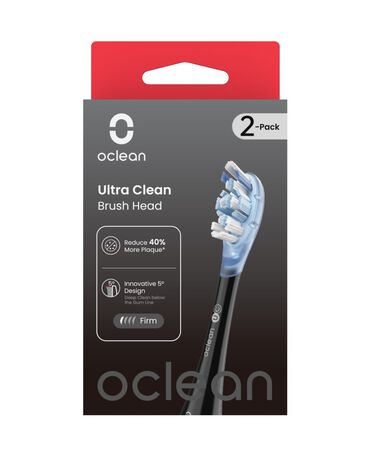
Keeping your brush head clean and dry helps it stay fresher, perform better, and last longer.
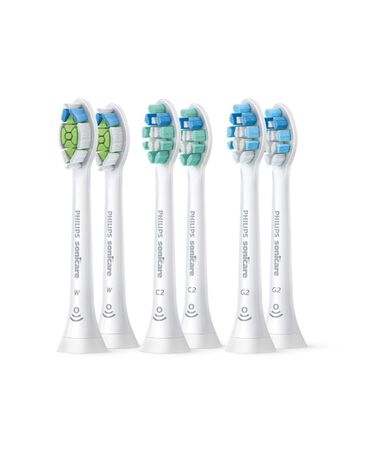
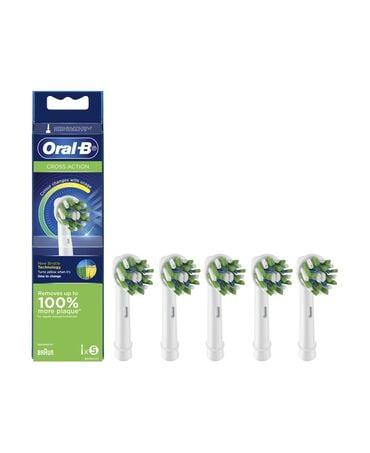
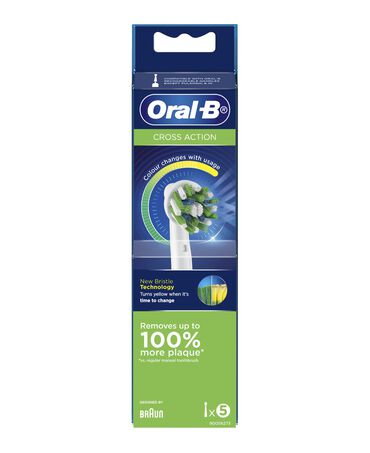
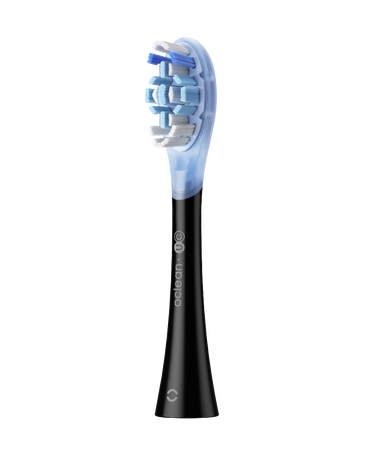
Refill Advice: When To Change Your Brush Head
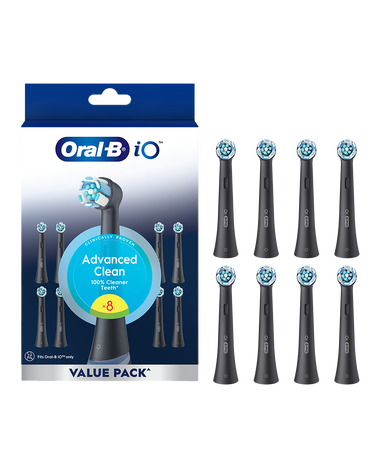
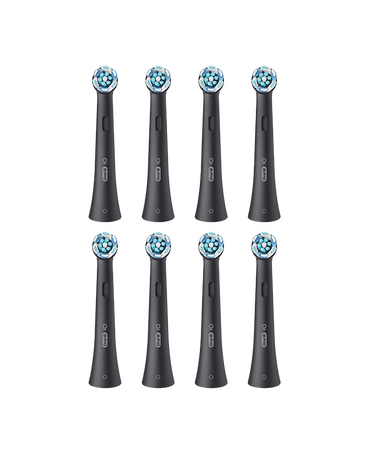
This is the part most people forget, but it matters. As bristles wear, cleaning performance drops.
A good rule of thumb:
- Replace your brush head every 3 months
- Replace sooner if bristles splay, look tired, or the brush feels less effective
- If you’ve been sick, swapping to a fresh head is a nice reset
If you want the simplest routine, keep a couple of refills on hand so you can swap when it’s due and move on with your day.
.jpg?sw=370)
The Rest Of Your Oral Care Routine (And Why It Matters)
The best results usually come from a full routine. Depending on your goals, you can pair your brush with:
Refill brush heads (the easiest way to keep performance strong)
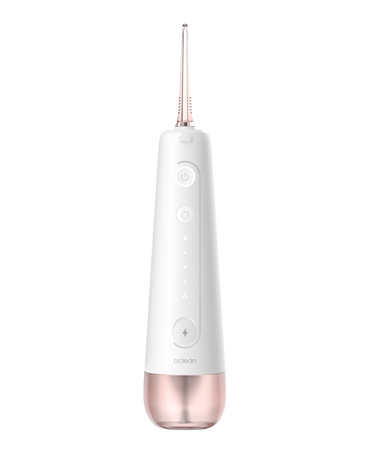
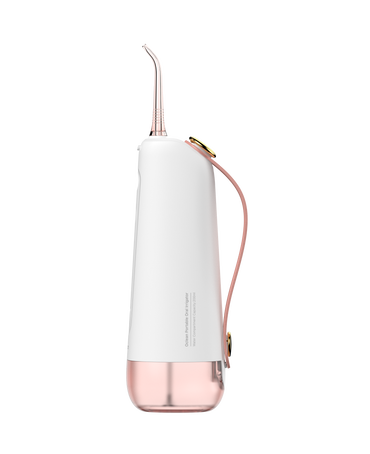
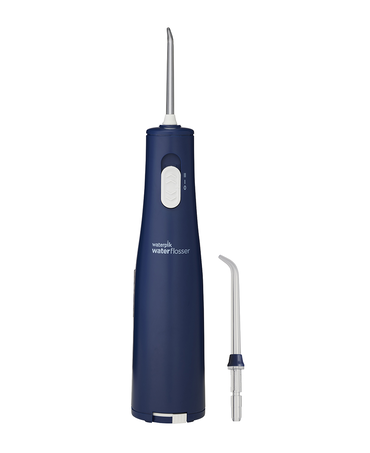
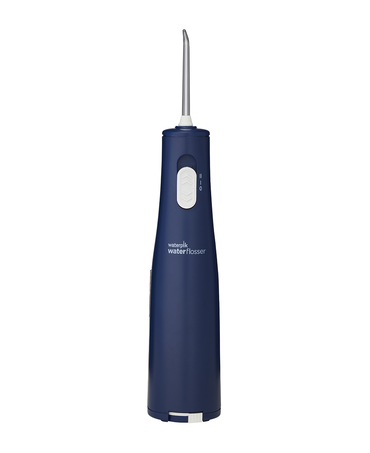
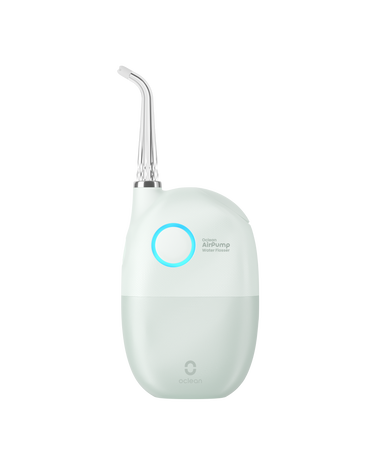
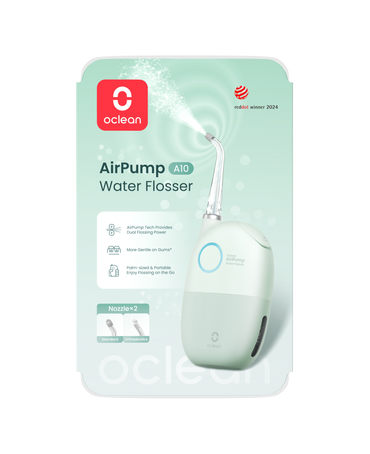
Water flossers for a deeper clean between teeth and along the gumline
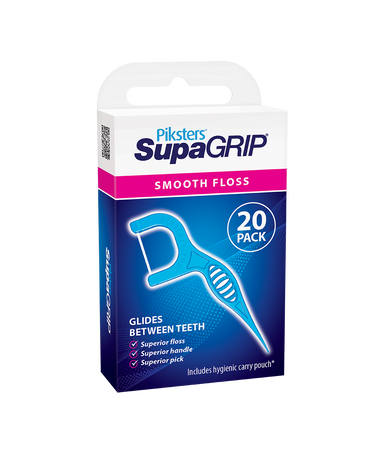
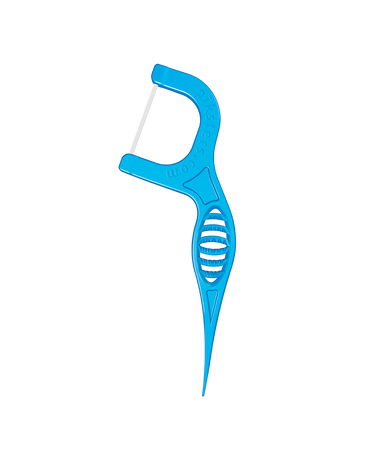
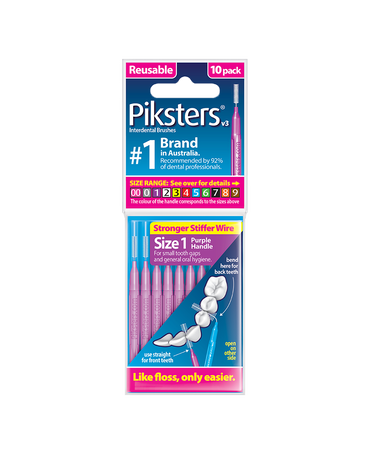
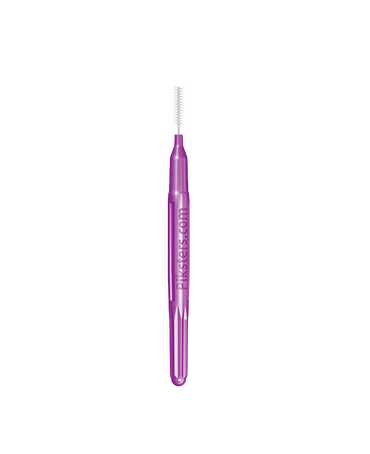
Floss and interdental cleaners for areas a brush can’t reach
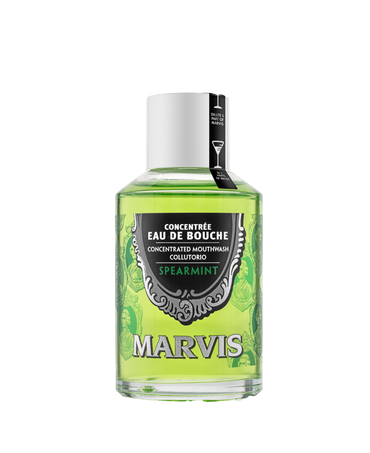
Mouthwash to finish the routine feeling extra clean and refreshed
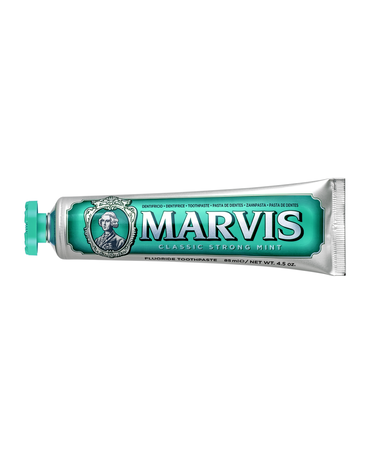
Toothpaste options tailored to sensitivity, whitening, or gum care needs
If you’re investing in a good brush, it makes sense to support it with the small extras that make a big difference.
Shop More Oral Care

Are electric toothbrushes actually better than manual?
For most people, yes, because they make it easier to brush consistently for the full two minutes and keep pressure under control. You still need good habits, but an electric brush helps you get a more even clean without having to think about technique as much.
Do electric toothbrushes damage gums or enamel?
They shouldn’t. In fact, many people find they’re gentler because you don’t need to scrub. The key is light pressure and letting the brush do the work. If you tend to brush hard, choose a model with pressure control.
How long should I brush for?
Two minutes, twice a day. Most electric toothbrushes have a built-in timer (often with pacing prompts) so you don’t have to guess.
Should I brush harder with an electric toothbrush?
No. A light touch is best. Hold the brush on each tooth area and guide it slowly. If you’re seeing bristles splay quickly, you’re probably pressing too hard.
How often do I need to replace the brush head?
Every 3 months is the general rule. Replace sooner if bristles look worn, splayed, or the brush just doesn’t feel as effective. Many people also like to swap after being sick.
Can kids use an electric toothbrush?
Yes, as long as they’re using an age-appropriate brush head and gentle pressure. Check the packaging or ask our staff for age recommendations. Some families like electric because timers help kids brush for long enough
Do I need a special toothpaste for an electric toothbrush?
No. Use the toothpaste that suits your needs (sensitivity, gum care, whitening). If you use a whitening toothpaste, keep pressure light and don’t overdo it.
What’s the difference between oscillating and sonic toothbrushes?
They’re simply different brushing actions and they feel different in the mouth. One can feel more targeted, the other can feel more sweeping and gentle. The “best” one is the one you’ll use properly, twice a day.
How long should an electric toothbrush last?
With normal use and basic care, a good handle should last years. Most performance drop-offs people notice are actually from worn brush heads, not the handle.
What other oral care products are worth adding?
If you want the biggest step-up alongside electric brushing, add something for between the teeth: floss, interdental brushes, or a water flosser. That’s often what turns “pretty clean” into “properly fresh.”