Every styling tool does something different to your hair - and the right one depends on the finish you're after, not the tool that looks the fanciest. Whether you want smooth and sleek, bouncy curls, or just a quicker morning routine, this guide breaks down what each tool actually does, the results you can expect, and how to get the most out of it.

Straighteners
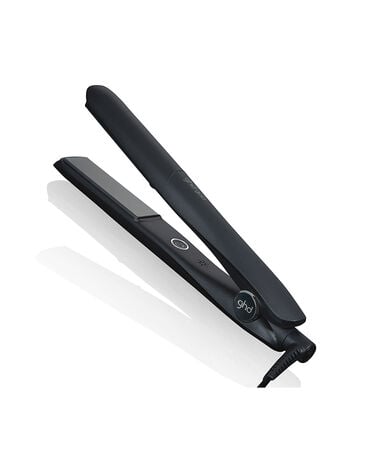
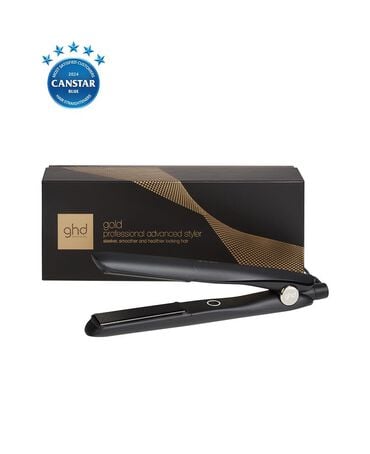
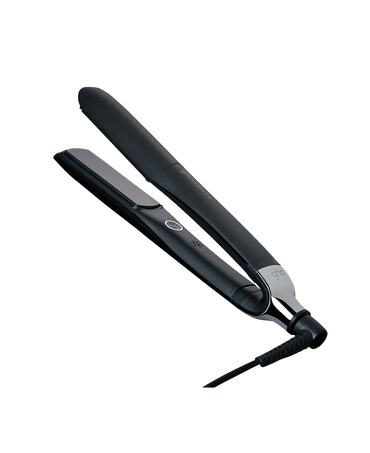
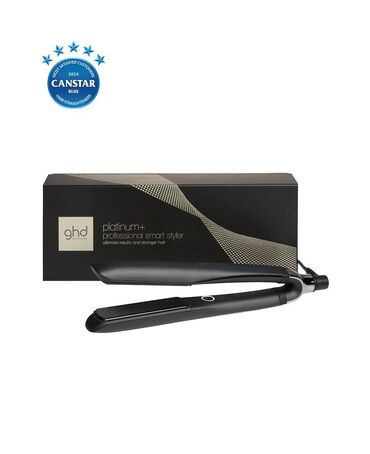
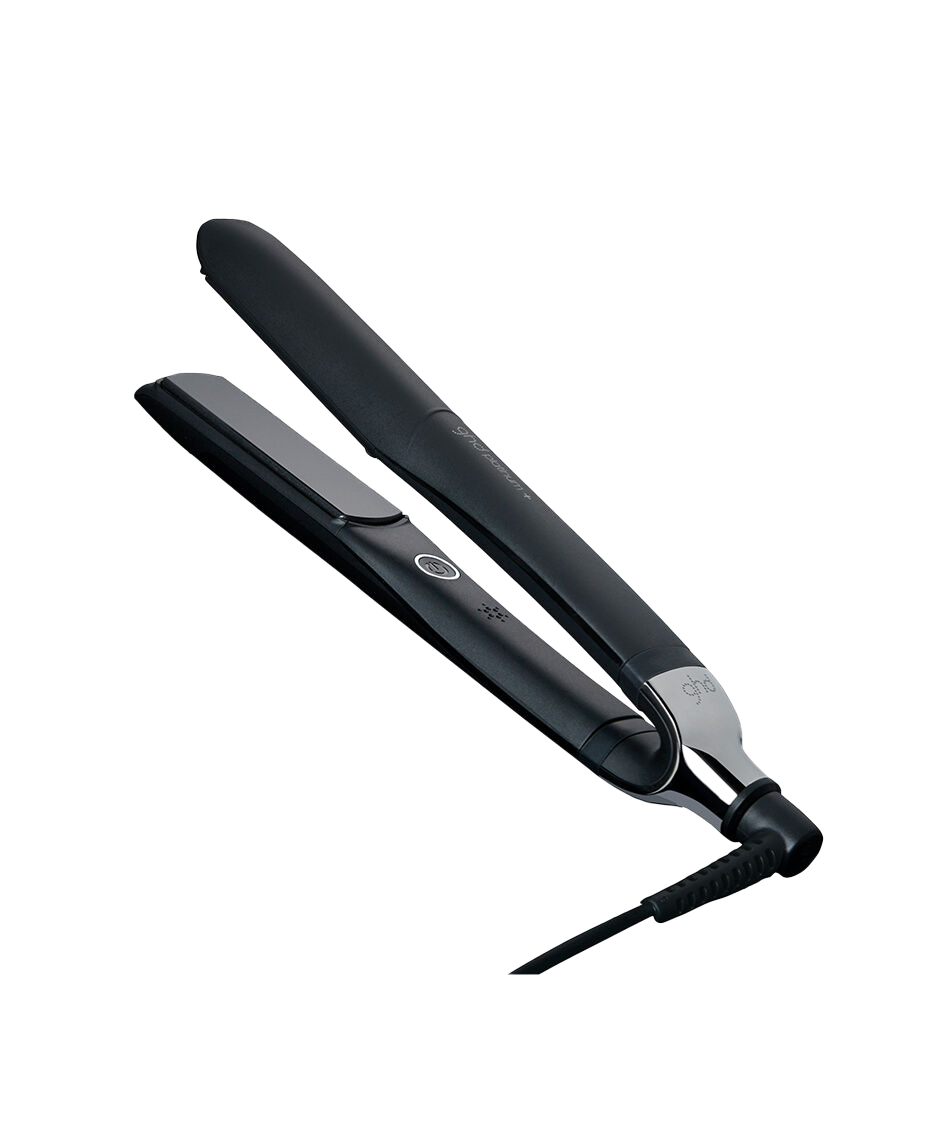
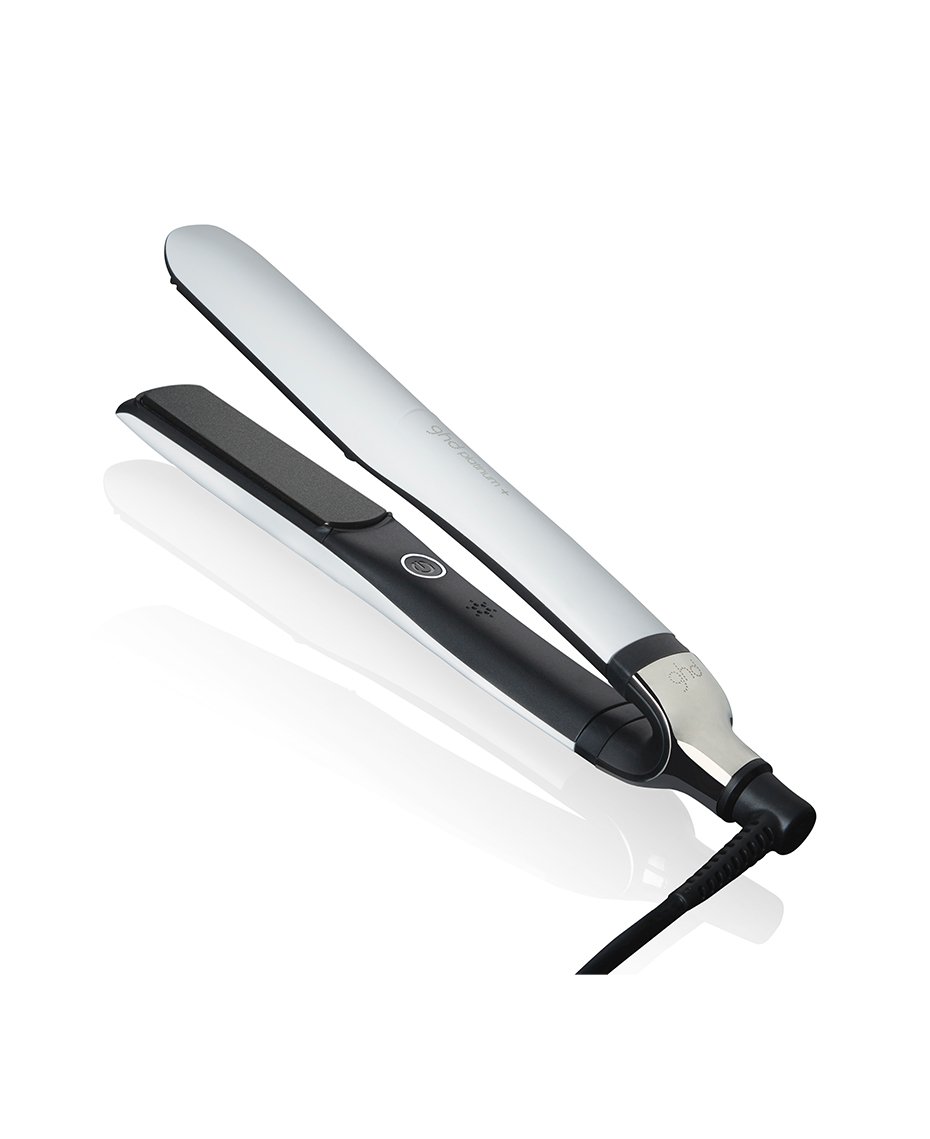
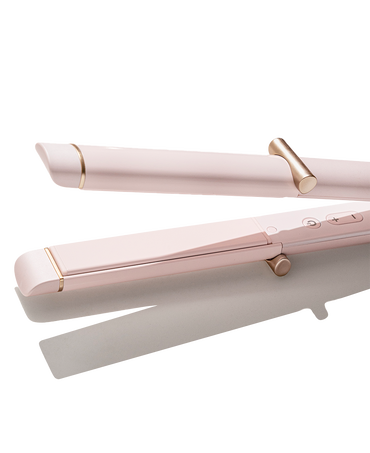
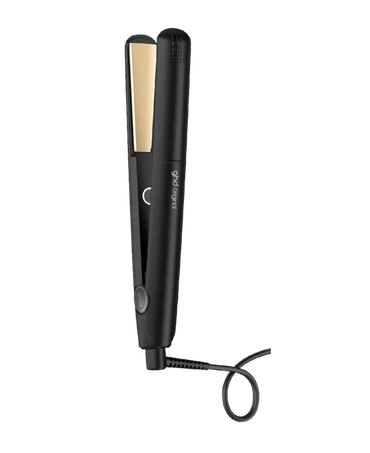
Straighteners are the most versatile tool in the kit. Run them through your hair and the result is smooth, flat, shiny - the kind of finish that looks polished without looking overdone. Good plates grip evenly and glide without snagging, so each pass leaves hair sleeker and softer to the touch rather than dry or stiff.
They also handle more than just straightening. A slow twist through the mid-lengths gives you a relaxed bend or wave - no curling iron needed. That's why they're the go-to for most people: one tool, multiple finishes, and results you can feel the moment you put them down.
Wider plates cover more hair per pass, so thick or long hair gets done faster. Narrower plates give tighter control closer to the root and around the face. If you're only buying one styling tool, straighteners are usually the place to start.
The Result
Smooth, shiny hair that sits flat and feels soft - not crunchy, not flyaway. With a slight bend or wave, the finish looks natural and holds its shape well into the evening without re-touching.
How to Use
Start with dry hair and work in sections from underneath. Clamp near the root and glide slowly to the ends in one smooth pass - pressing harder won't give a better result, but a slower, even movement will. For a wave, twist the straightener away from your face as you pull through and let the ends release naturally.
What To Look For

Plate Width
Narrow plates (under 25mm) suit short hair and fringes. Standard plates handle most lengths. Wide plates get through thick or long hair faster.

Heat Settings
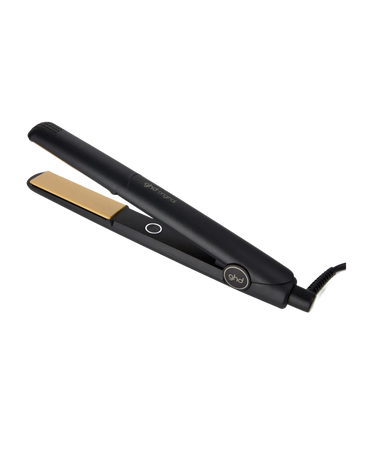
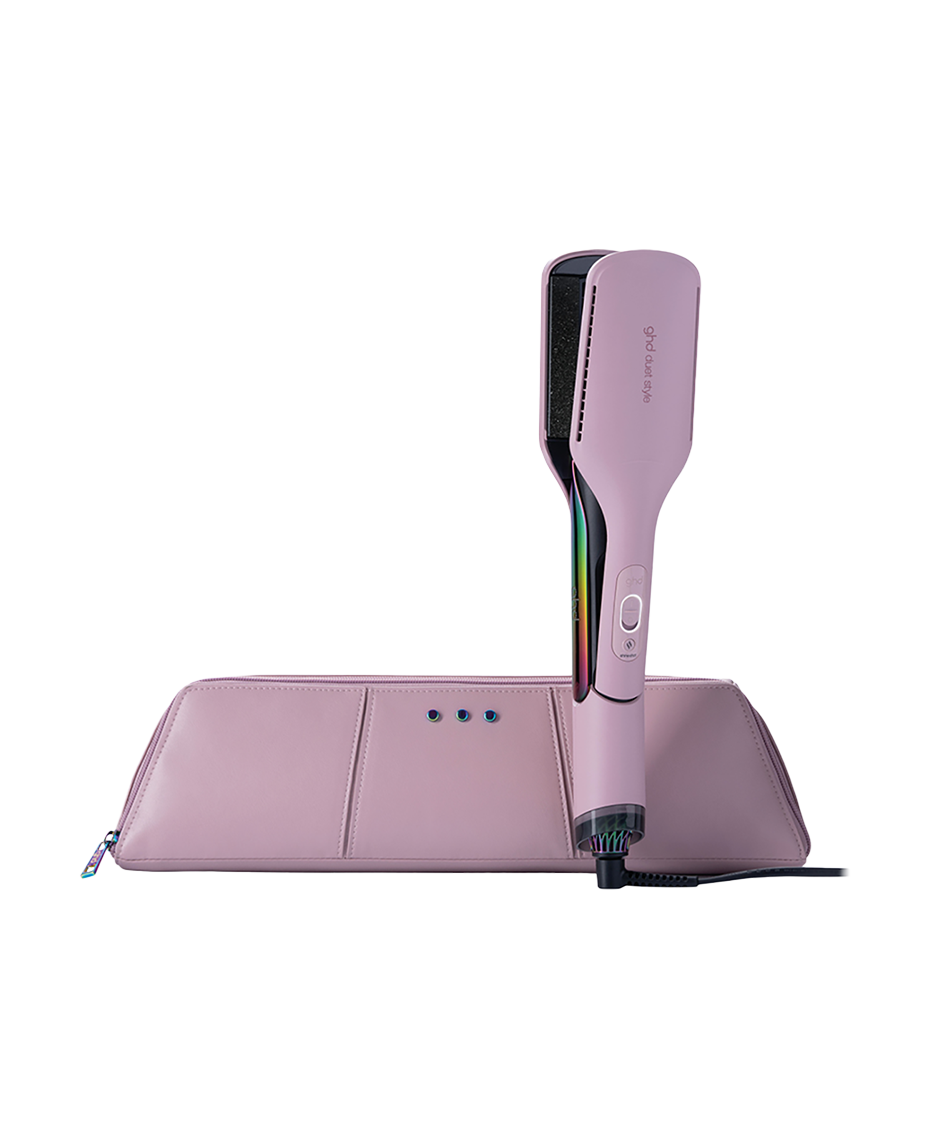
Variable temperature lets you dial back for finer hair and turn up for thicker, coarser hair - less heat damage, better results across the board. Some even do the work for you, like GHD.

Plate Material
Ceramic plates give a smoother, snag-free glide. Titanium heats faster and stays consistent, which matters for thick hair that needs steady, even heat.

Heat-Up Time
Quick heat-up makes a real difference on rushed mornings. Some straighteners reach full temperature in 20 seconds.
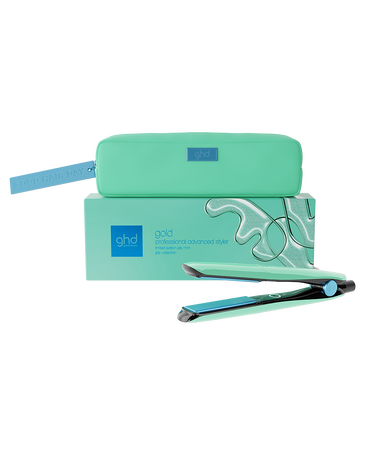
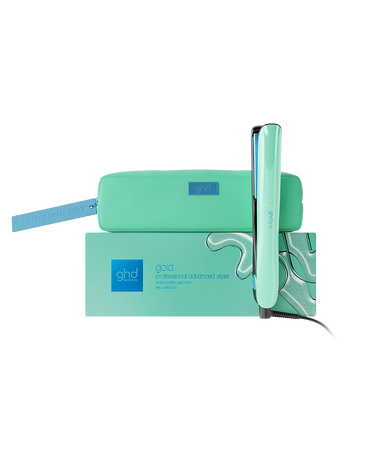
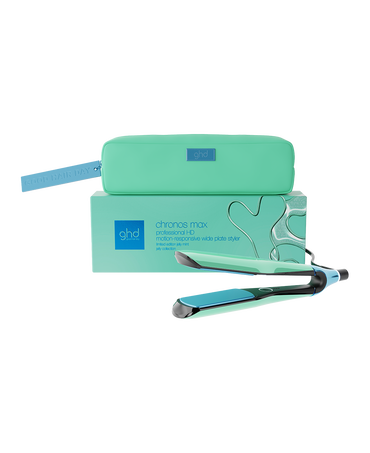
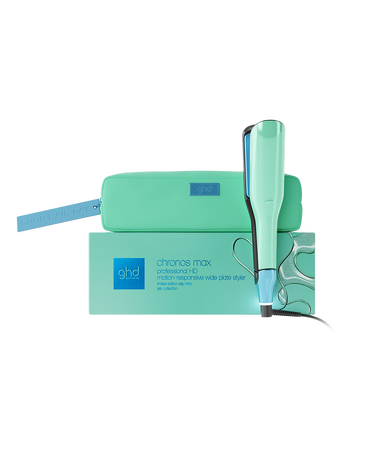
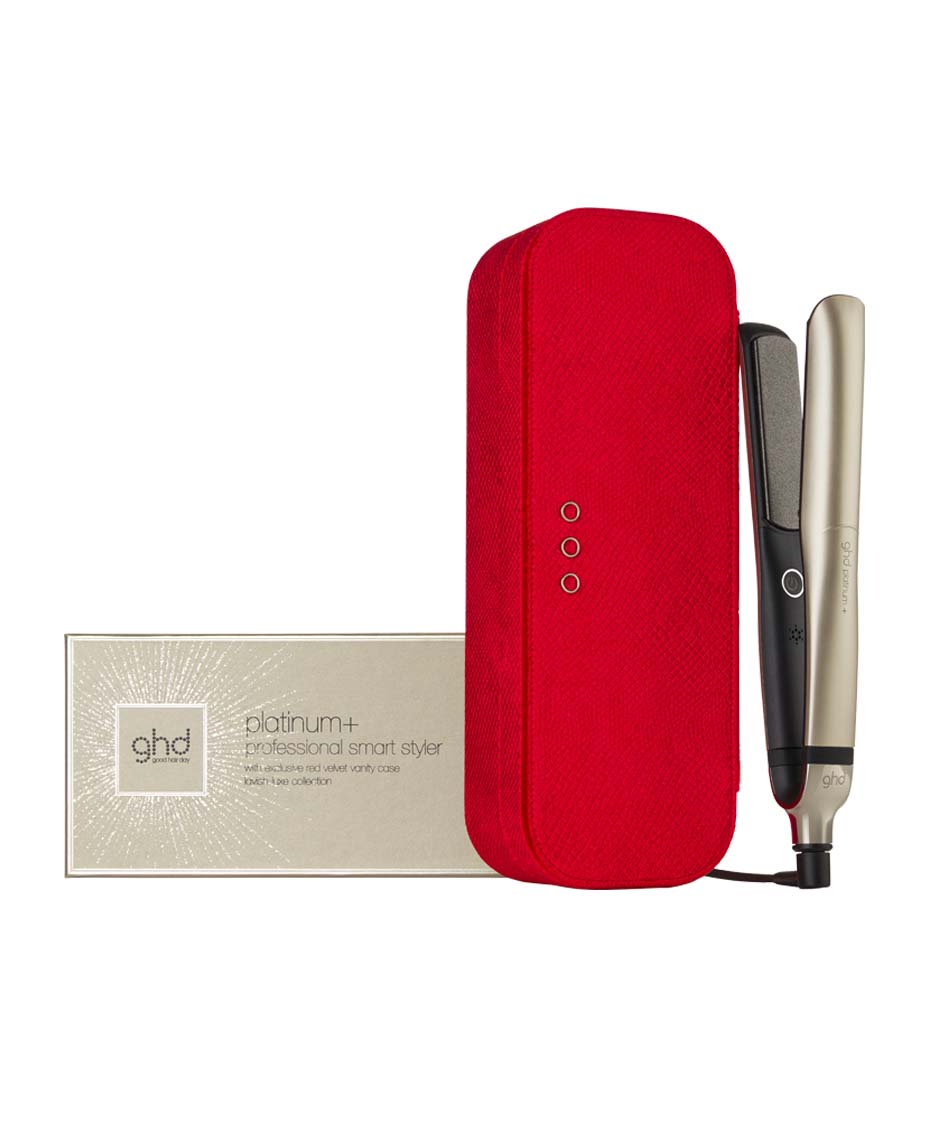
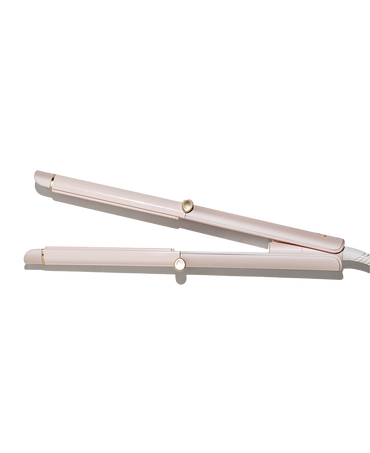
Straighteners
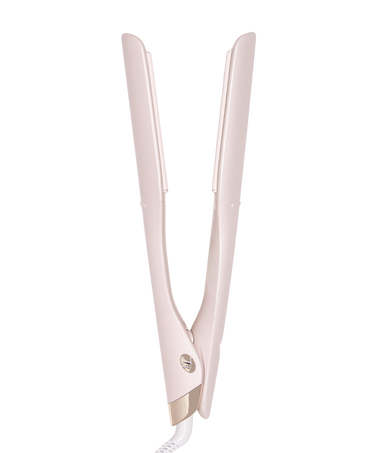
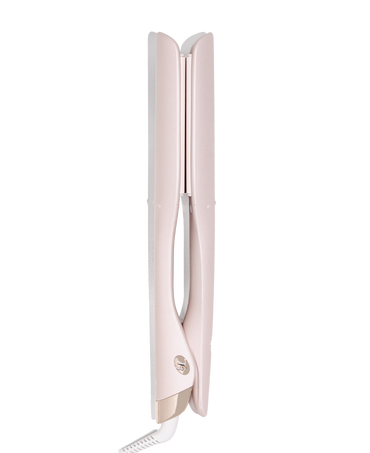
Whether you're after a sleek finish or a soft wave, we have the straightener to match your hair type and routine




Curlers & Wands
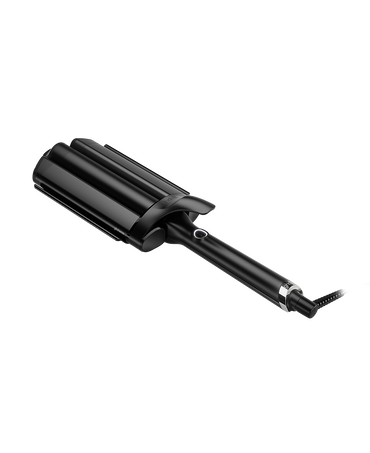
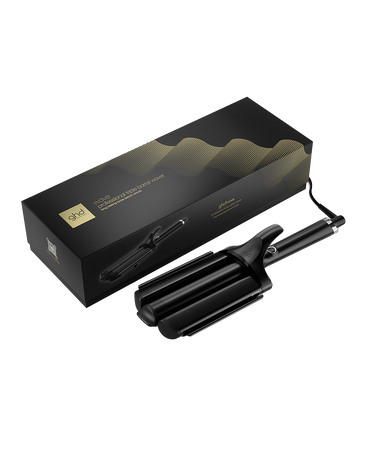
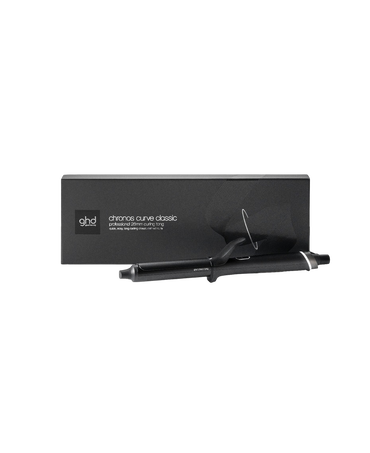
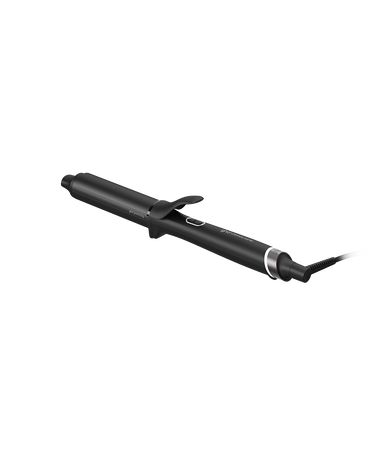
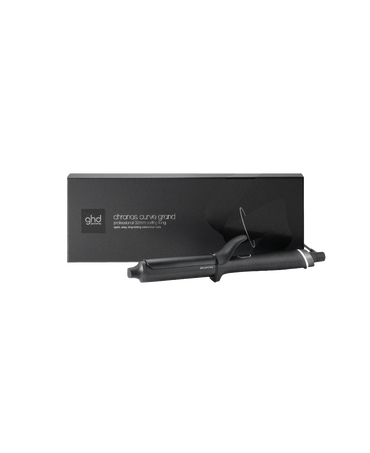
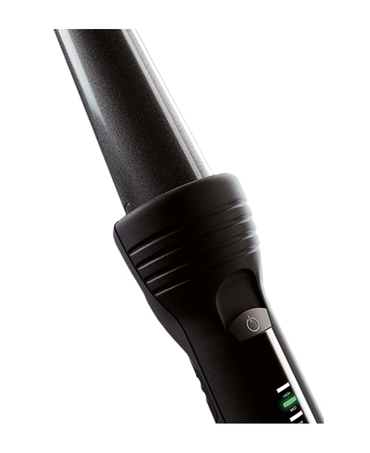
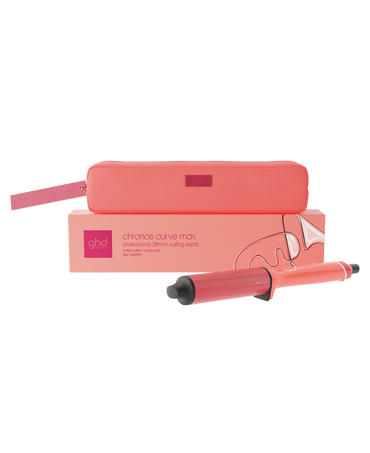
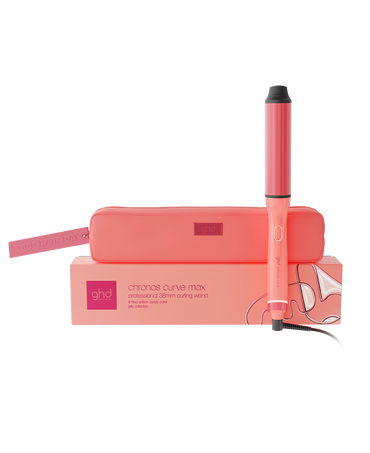
If you want curls that actually hold - defined ringlets or soft, bouncy waves - a curling wand or tong gives you the shape and lasting body that a straightener can only hint at. The heat wraps around each section of hair, setting the curl from root to tip so it stays put rather than falling flat after an hour.
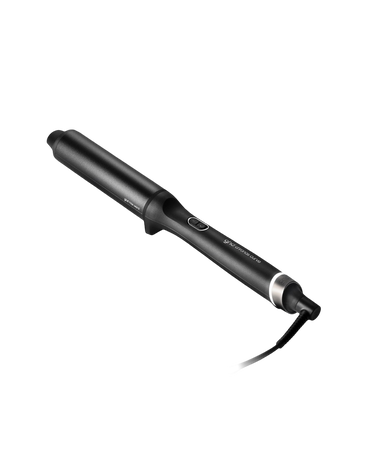
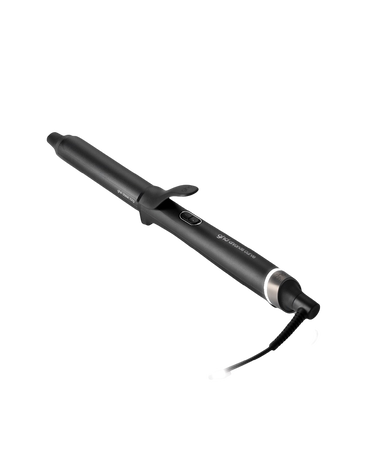
A clamp-style curling tong holds the hair in place while it sets, so it's easier to get even, consistent curls. A clipless wand gives a looser, more undone finish because you wrap the hair yourself - the curl looks more relaxed and natural once it drops.
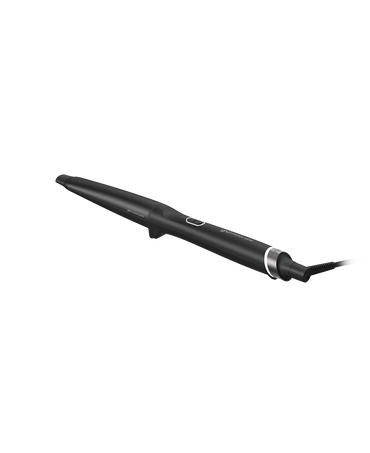
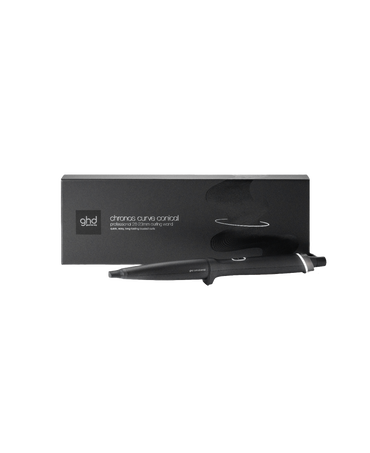
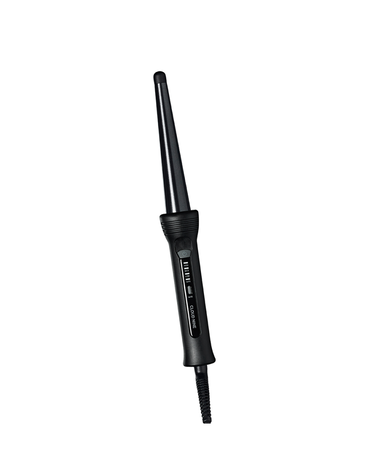
Barrel size controls the curl type. Smaller barrels give tight, springy curls. Larger barrels give those loose, lived-in waves that look effortless. Conical (tapered) barrels give you a mix - tighter at the top, softer at the ends.
The Result
Curls and waves with real bounce and definition that hold their shape through the day. The finish has volume and movement without feeling heavy.
How To Use
Take small sections of dry hair and wrap away from the face, holding for a few seconds before releasing. Let each curl cool in your hand or pin it loosely to set the shape. Once all sections are done, run your fingers through gently to break them into softer, more natural waves.

Barrel Size
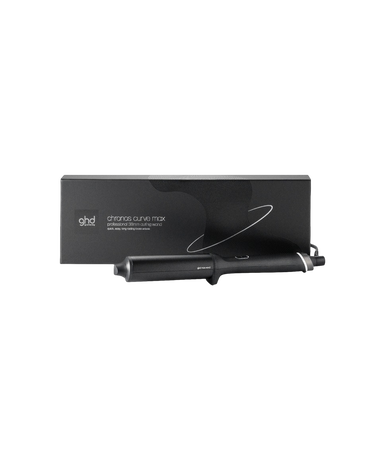
19–25mm for tight curls and ringlets. 25–32mm for classic curls. 32mm+ for big, loose waves. Conical barrels cover a range in one tool.

Clamp vs. Clipless
A clamp holds the hair for you - more even, repeatable curls. Clipless wands give a looser, less uniform wave that looks more natural once it drops.
Curlers
From tight ringlets to loose, lived-in waves - find the right barrel size and style for the curls you actually want among our range of curlers

Hair Dryers
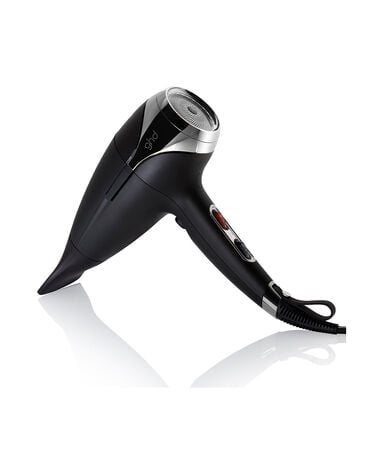
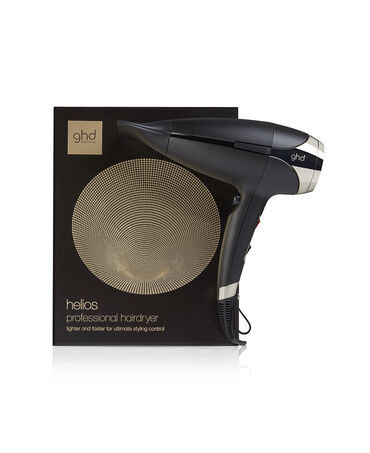
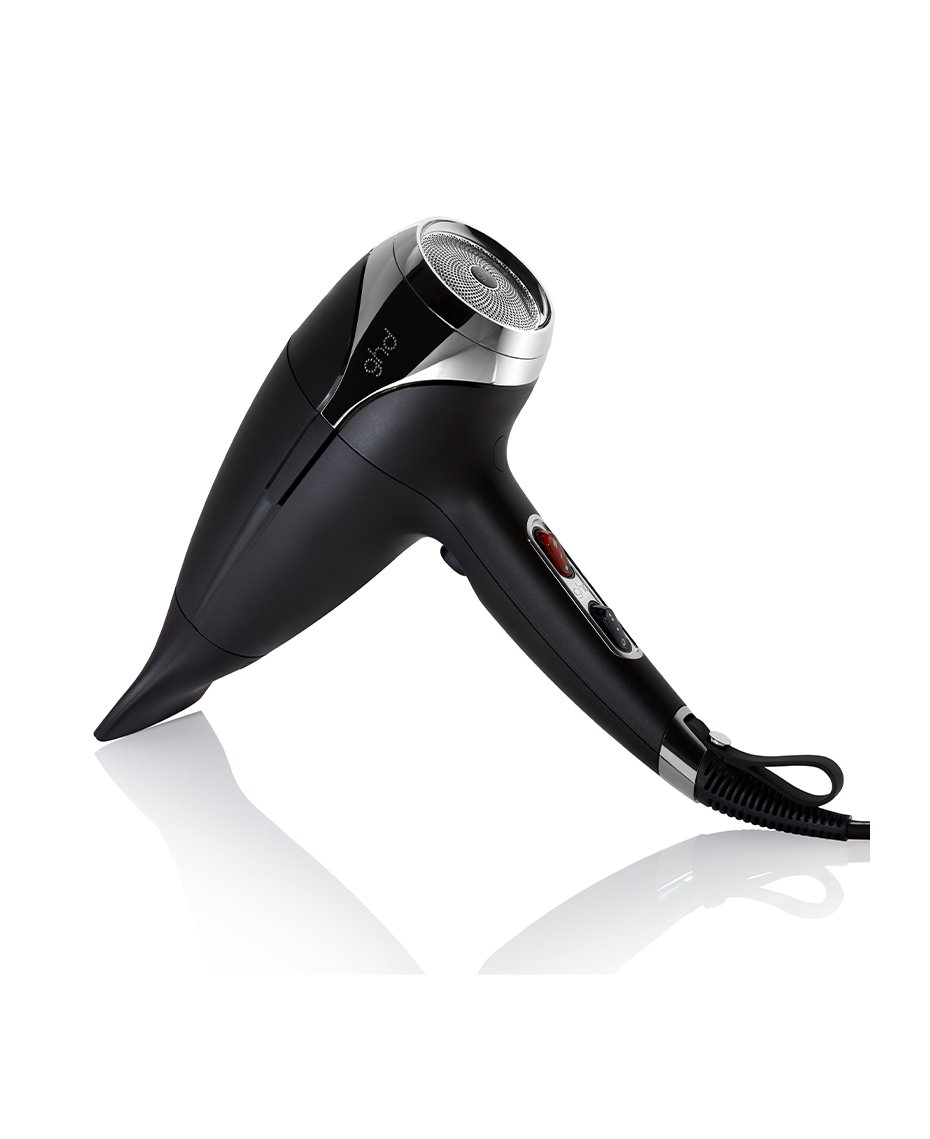
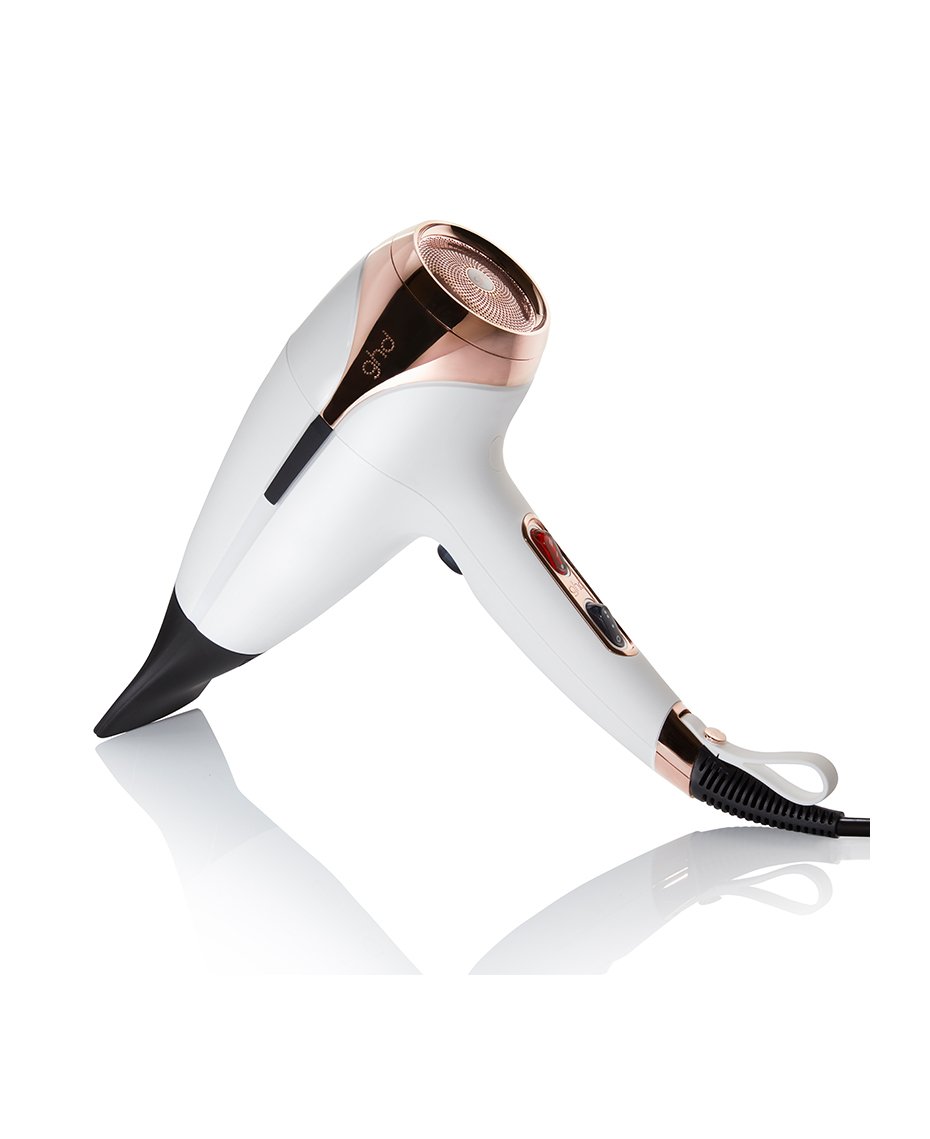
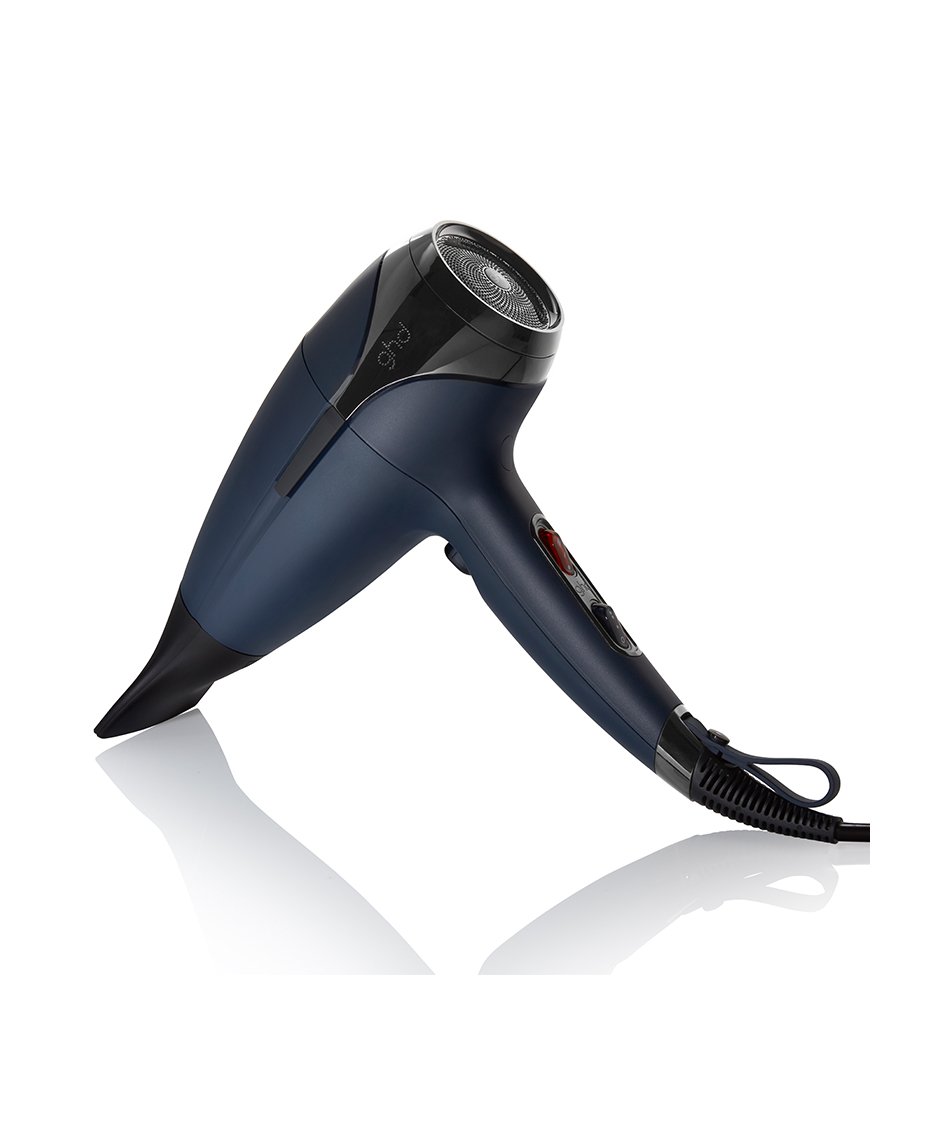
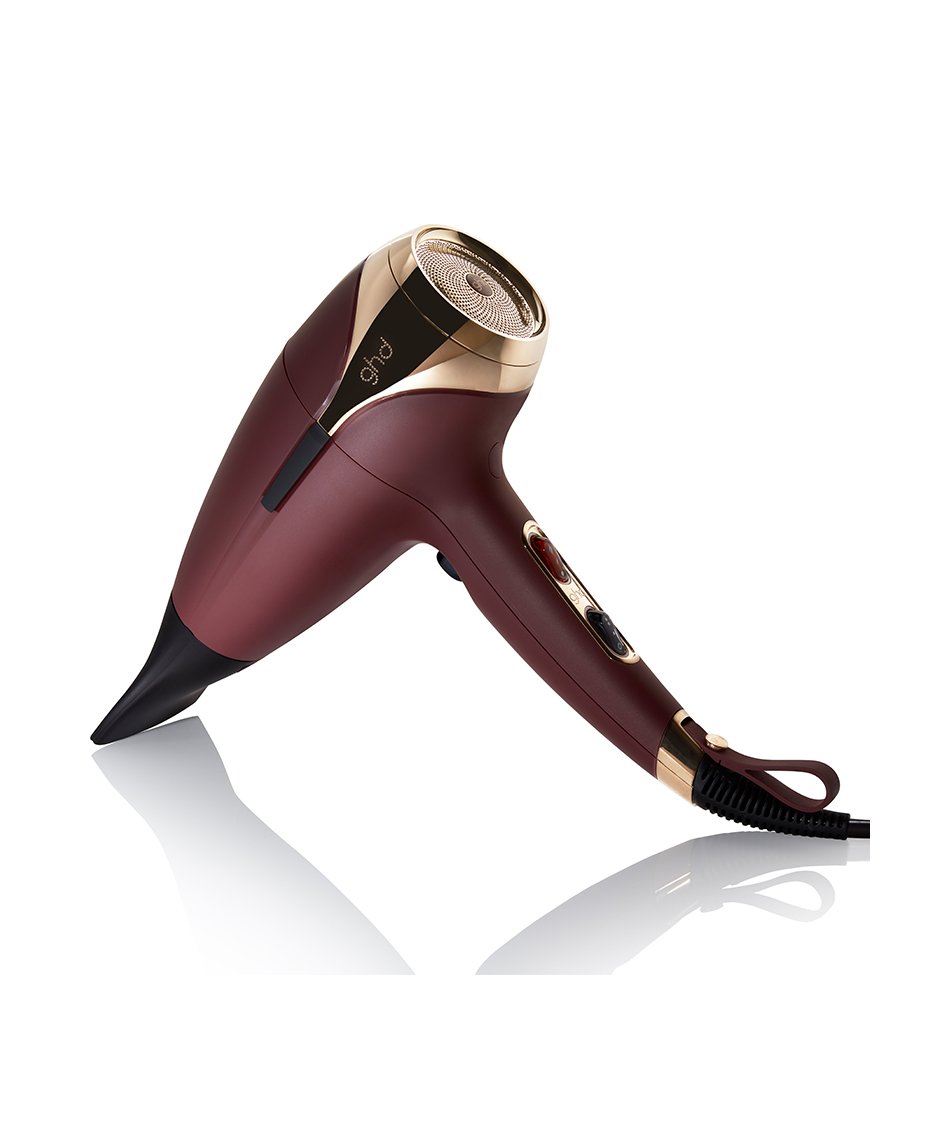
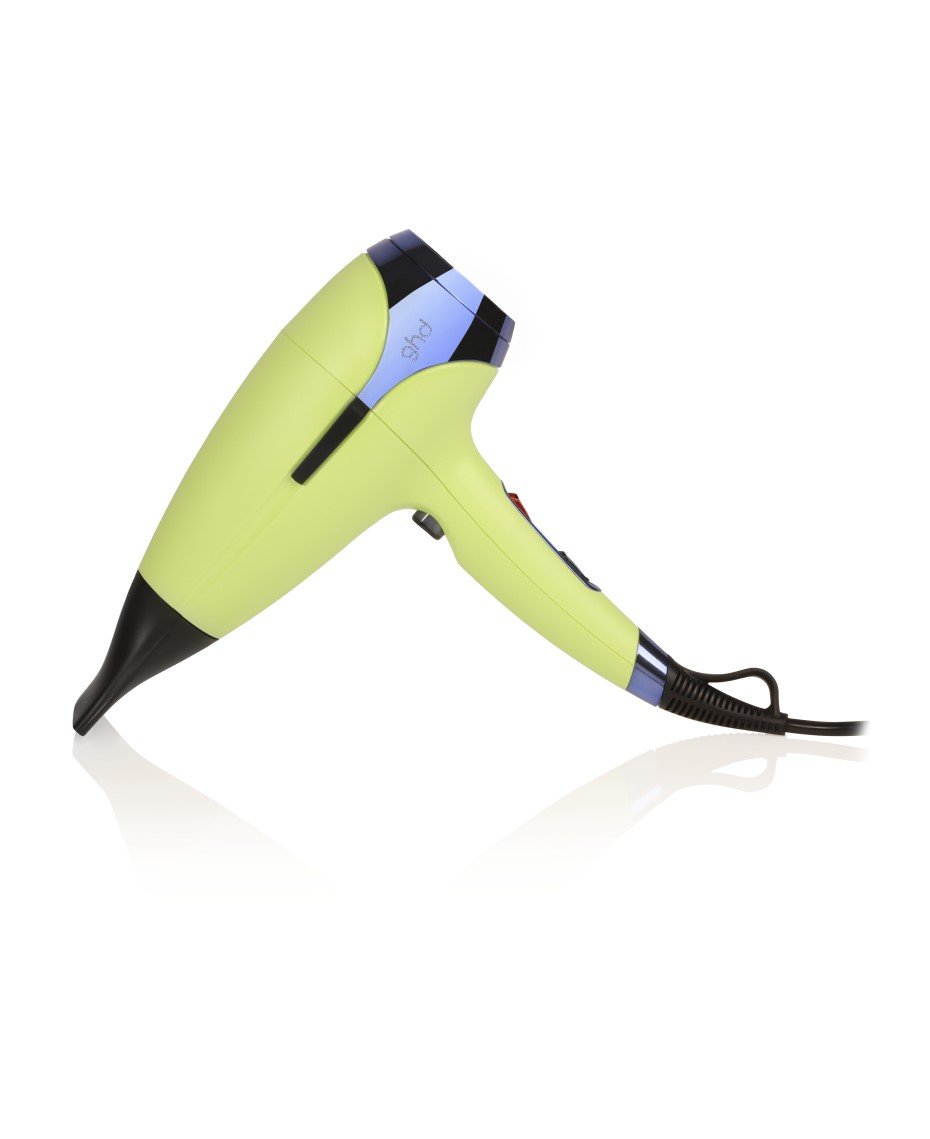
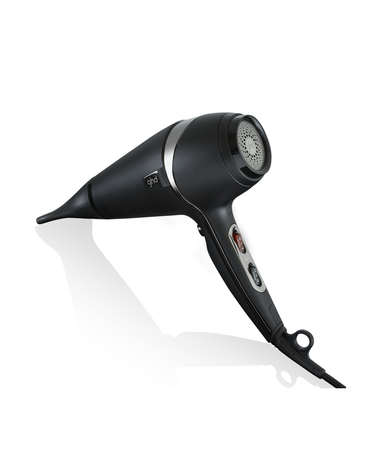
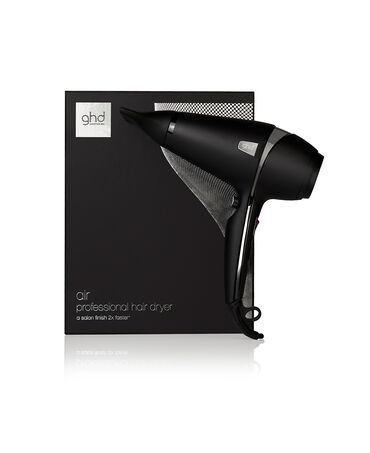
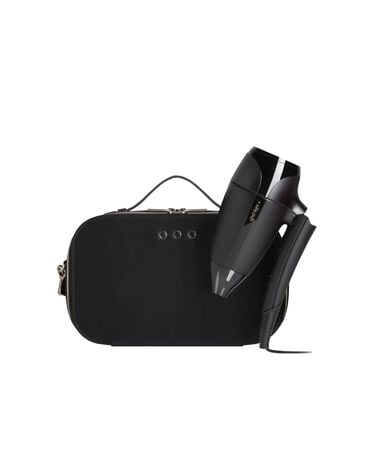
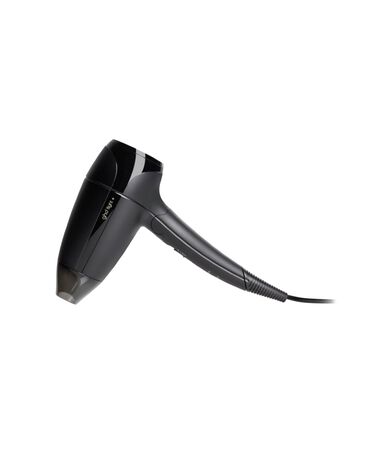
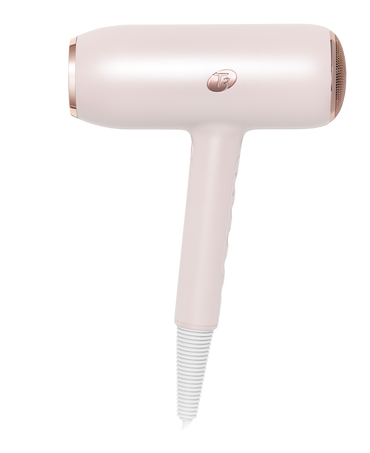
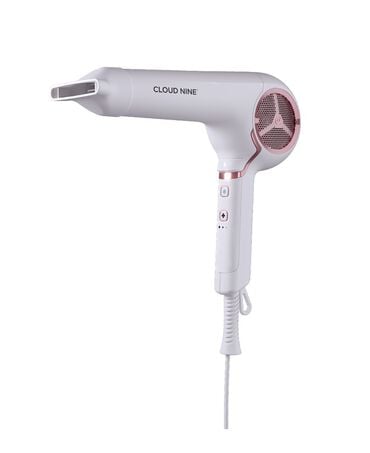
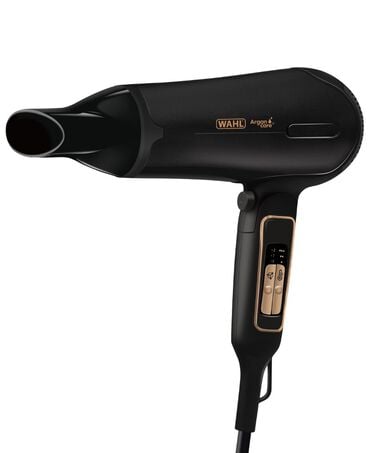
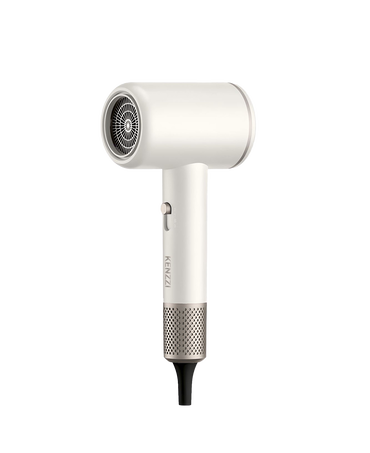
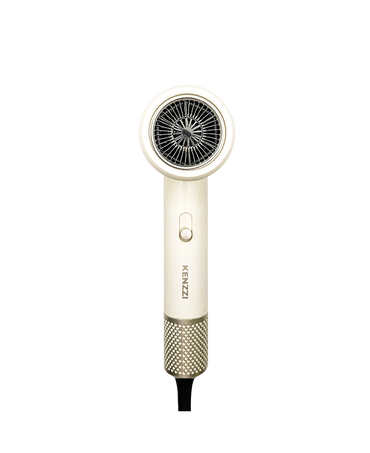
A good hair dryer does more than speed up drying time. The right airflow and heat combination leaves hair noticeably smoother, shinier, and easier to manage - the difference between hair that just dries and hair that actually looks styled.
Concentrated airflow through a nozzle attachment lets you direct the heat along the hair shaft, smoothing the cuticle as you go. That's what gives you that salon-quality shine and reduces frizz without needing extra product. A diffuser does the opposite - it spreads the airflow gently to enhance natural curl and wave patterns instead of blowing them out.
If you're finding that your hair feels dry, rough, or frizzy after blow-drying, it's likely a heat or technique issue rather than your hair type. Adjustable heat and speed settings make a genuine difference to how your hair feels once it's dry.
The Result
Smooth, shiny hair with visible volume and body that feels soft rather than brittle. Any frizz sits flat, and the finish holds its shape longer than air-drying alone.
How To Use
Towel-dry first and work in sections, directing the nozzle downward along the hair shaft - root to tip. Use a round brush to add lift at the roots and smooth through the lengths. Finish with a blast of cool air to lock the shape and add shine.
What To Look For

Wattage
Higher wattage moves more air, so thick hair dries faster and you spend less time with heat on your hair. For fine hair, a lower setting with good airflow means less heat damage.

Attachments
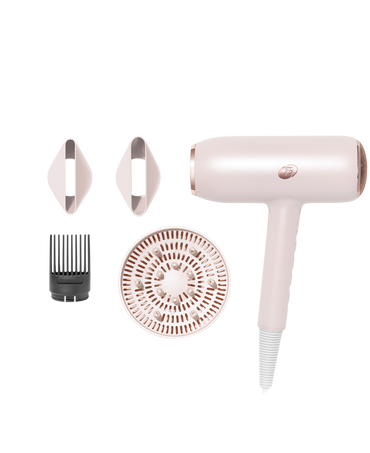
A concentrator nozzle smooths and directs. A diffuser lifts and defines natural curls. Both come standard on most good dryers - check before buying or ask one of our experts in store.

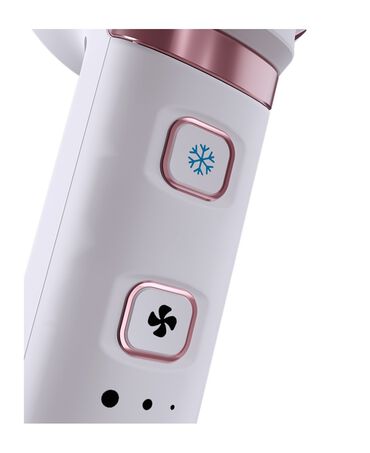
Cool Shot Button
Finishing with cool air seals the cuticle and sets the style. It's what gives you that lasting shine and helps volume hold its shape.
Weight
A lighter dryer makes a noticeable difference when you're holding it above your head for ten minutes. Lighter motors also tend to mean less arm fatigue and more control.
Hair Dryers
A better dryer means less time, less frizz, and a smoother finish. Find one that suits your hair and your morning
.jpg?sw=370)
.jpg?sw=370)
.jpg)
.jpg)
.jpg?sw=370)

Hot Brushes
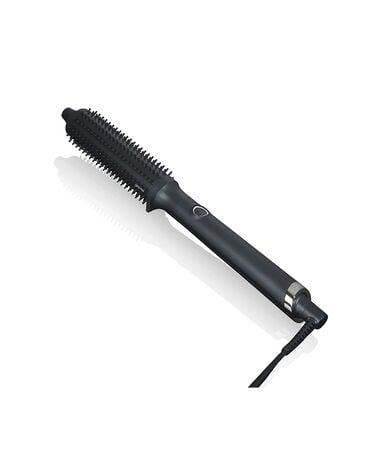
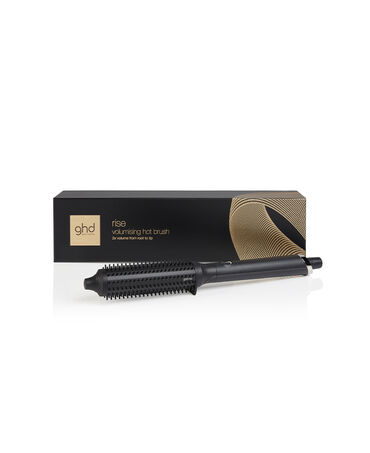
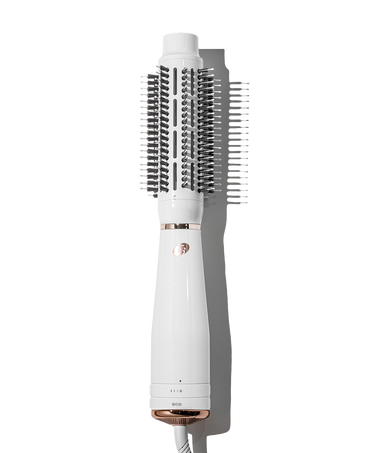
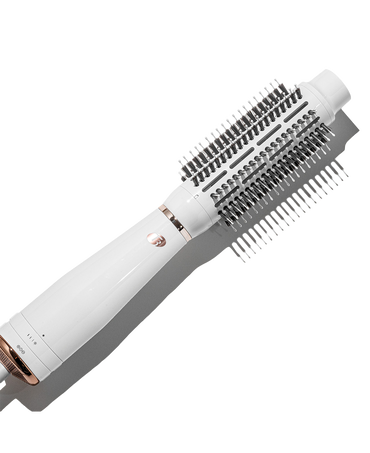
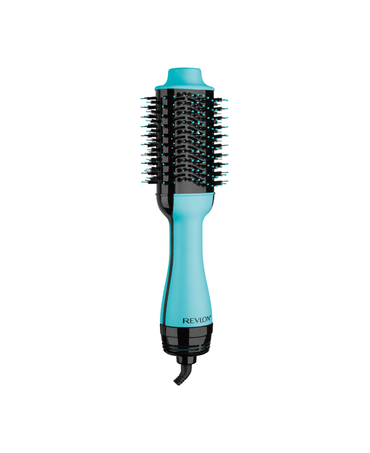
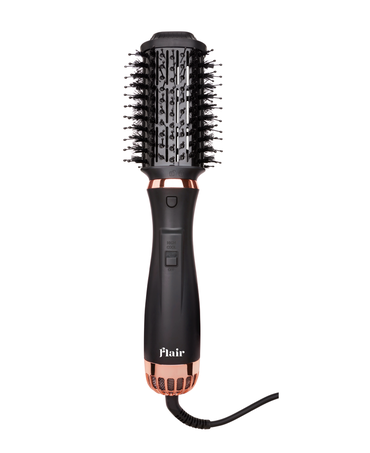
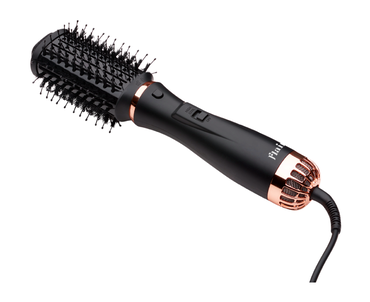
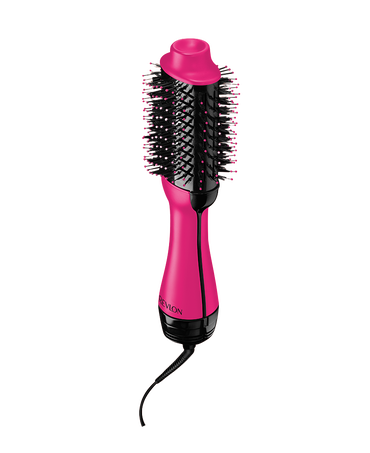
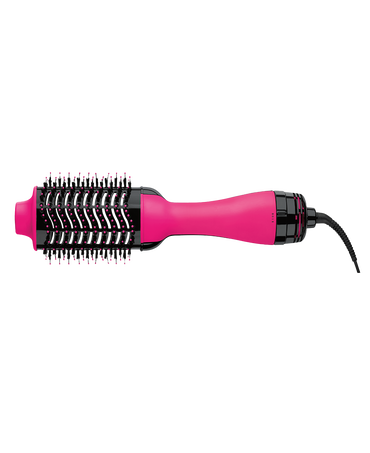
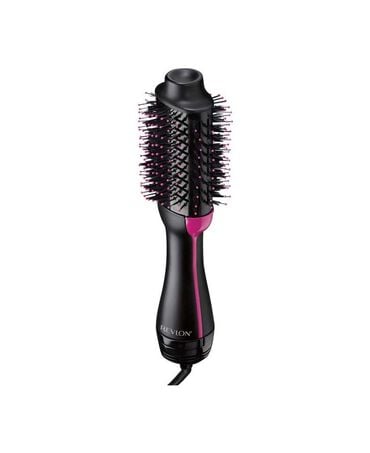
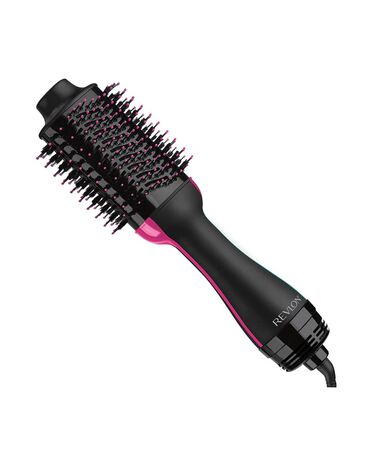
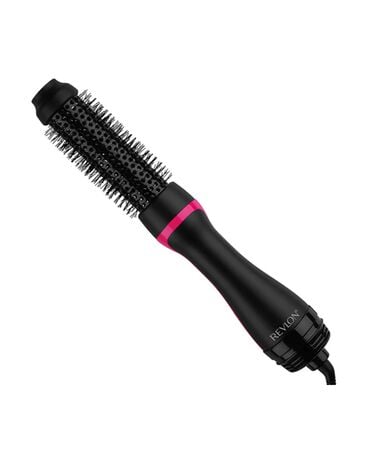
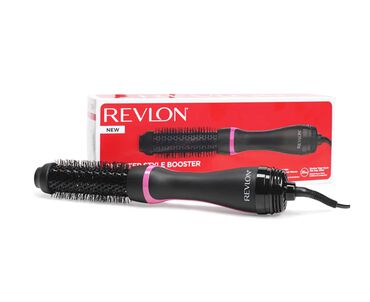
A hot brush combines the smoothing effect of a straightener with the volume and body of a round-brush blowout - and you can do it one-handed. The bristles grip and detangle while the heated barrel smooths, so hair comes out looking fuller and more polished without the learning curve of juggling a dryer and a brush at the same time.
The finish is softer and more natural than a straightener, with the kind of bounce and movement that looks like you've come from a salon blowout. Hot brushes are particularly good for adding lift at the roots and smoothing through the lengths without making hair look too flat or too "done".
If you like the blowout look but find the dryer-and-brush routine too fiddly, a hot brush gets you there in half the steps.
The Result
Volume and body at the roots, smooth and frizz-free through the lengths. The finish looks full and bouncy without the stiffness - closer to a salon blowout than a flat-iron finish.
How To Use
Work through dry or slightly damp hair in sections. Place the brush close to the root, roll it under, and slowly pull through to the ends. Hold for a moment at the ends to set a slight curl under, or pull straight for a sleeker finish.
What To Look For

Brush Shape
Oval barrels hug the head and add lift naturally. Round barrels smooth and curl the ends. Paddle shapes detangle and smooth thick hair quickly.

Bristle Types
A mix of nylon and natural bristles grips, detangles, and smooths at the same time. Finer bristles give a sleeker finish; wider-spaced bristles suit thicker hair. Some use combined ceramic bristles, like the GHD Glide.
Hot Brushes
Skip the juggle of a dryer and round brush. These hot brushes give you a salon-style blowout in half the steps

Styling & Finishing
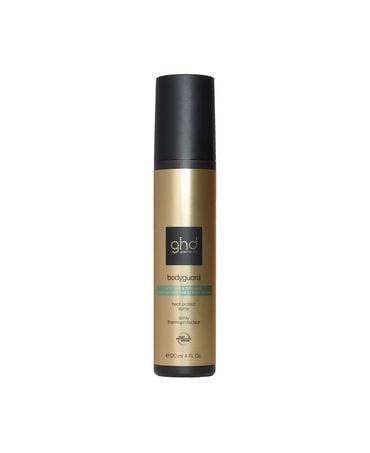
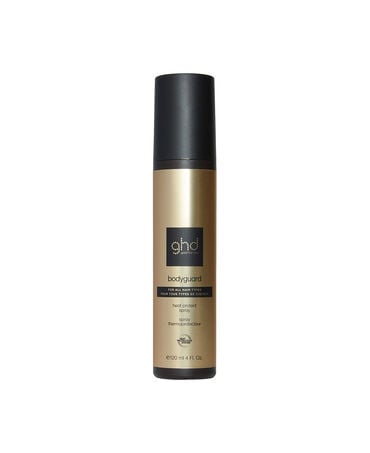
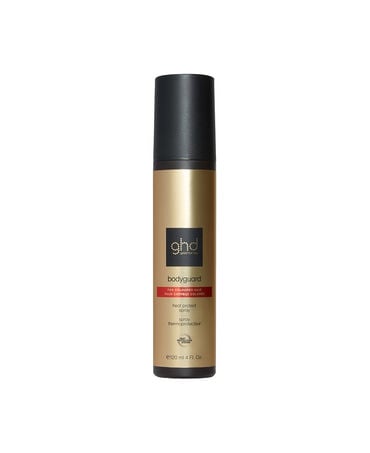
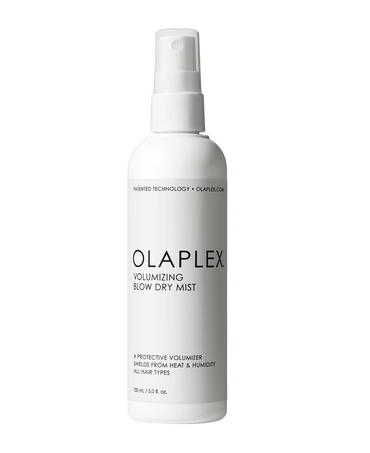
The right spray is the difference between a style that looks good when you put the tool down and one that still looks good at the end of the day. Heat protectants keep hair feeling soft and looking shiny after repeated styling, while finishing sprays lock the shape in without stiffness or crunch.
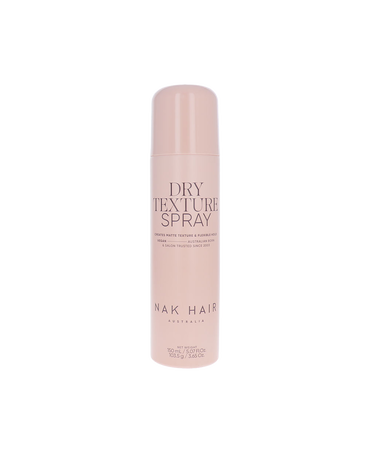
Texture sprays sit in between - they add grip and body to hair that tends to fall flat, so curls hold longer and volume stays put. The finish feels lived-in rather than freshly set, which suits styles that are meant to look relaxed.
If you're using heat tools regularly, a protectant isn't optional. Hair that's exposed to heat without protection loses its shine and softness over time - the change is gradual, but once you notice it, it's hard to undo. A quick spray before you start keeps things looking and feeling healthy, session after session.
The Result
Hair that holds its styled shape well into the evening without feeling stiff or weighed down. Over time, regular use of a heat protectant keeps hair visibly shinier and softer to the touch compared to styling without one.
How To Use
Apply heat protectant to dry or towel-dried hair before any heat tool - mist evenly from mid-lengths to ends, then comb or brush through to distribute. Finishing spray goes on once you're done styling: hold the can at arm's length and mist lightly over the finished look. For texture spray, work it through the roots and mid-lengths while scrunching or tousling.
Which Spray Does What

Heat Protectant
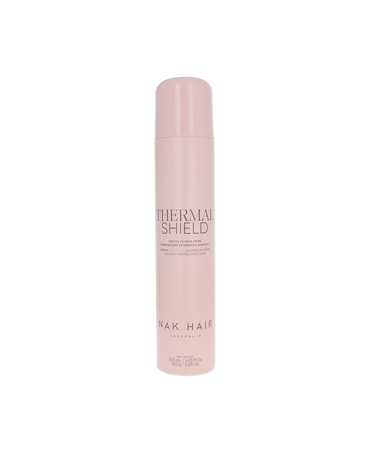
Shields hair from heat damage so it stays soft, shiny, and healthy-looking even with daily straightening or curling. Use every time, before every tool.

Finishing Spray
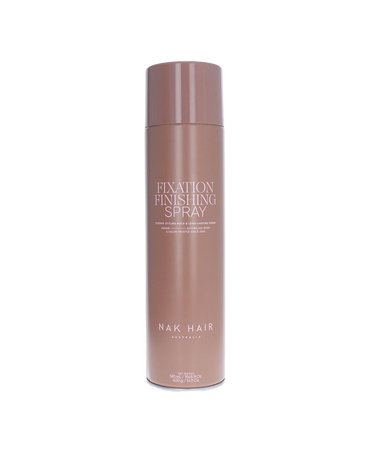
Locks the style in place once you've finished. Light-hold sprays keep things touchable and moveable. Stronger-hold sprays keep curls tight and volume lifted all day.

Texture Spray
Adds grip, grit, and body to limp or fine hair. Gives waves more definition and stops straight styles from falling flat. The finish looks undone and lived-in.
Styling & Finishing
Protect your hair before you style and lock the finish in after. The right spray makes every tool work harder for you