


Long lasting smooth skin sounds great. But you probably want the facts first - how IPL works, who it suits, what results to expect, and how to use it safely at home.
This guide breaks it all down in plain English, so you can choose the right method (and the right device) with confidence.

What is IPL Hair Removal?
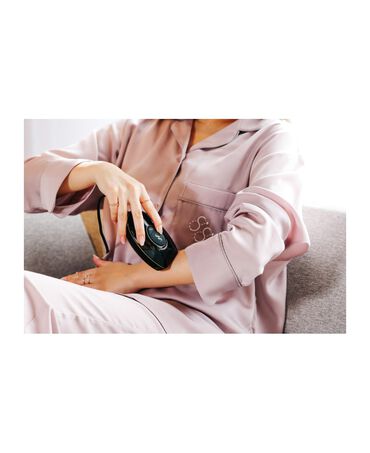
IPL stands for Intense Pulsed Light. It’s a light-based hair reduction method designed to reduce hair regrowth over time. You use an IPL device on the skin’s surface, and it flashes pulses of light that help slow down the hair’s ability to grow back. It’s not a “one-and-done” treatment. IPL works best as a routine, with regular sessions early on and quick top-ups later to maintain results.
How Does IPL Work?
IPL targets the pigment (colour) in the hair. The light energy is absorbed by the hair and helps disrupt the follicle’s ability to produce new growth.
Why it takes time: hair grows in cycles, and IPL is most effective when hair is in the right growth phase. That’s why you’ll see the best results with consistent treatments over several weeks, then maintenance sessions to keep things smooth.
How IPL Compares to Other Methods
If you’re deciding between options, here’s the practical difference:
- Shaving: quick and easy, but regrowth can be fast and prickly
- Waxing/epilating: longer-lasting smoothness, but can be painful and time-consuming
- Hair removal creams: convenient, but can irritate sensitive skin and results don’t last
- IPL: takes commitment upfront, but can reduce how often you need to remove hair over time
Is IPL right for me?
IPL generally works best when there’s a clear contrast between hair colour and skin tone, because the light needs pigment to target.
You’ll usually get the best results if you have:
- Darker hair (brown/black)
- Light to medium skin tones (depending on the device)
IPL may be less effective on:
- Very light hair (blonde, grey, red) due to low pigment
- Very dark skin tones, where devices may not be suitable
Many modern devices include skin tone sensors or built-in safety checks — always follow the guidance for the specific model you’re using.
Choosing the Right IPL Device
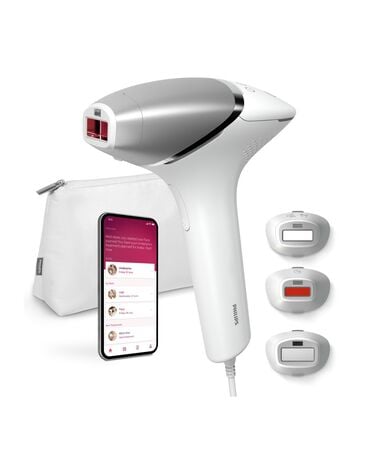
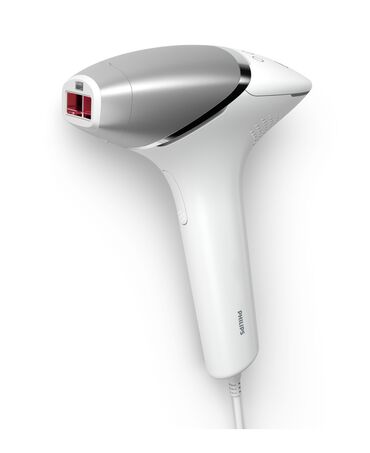
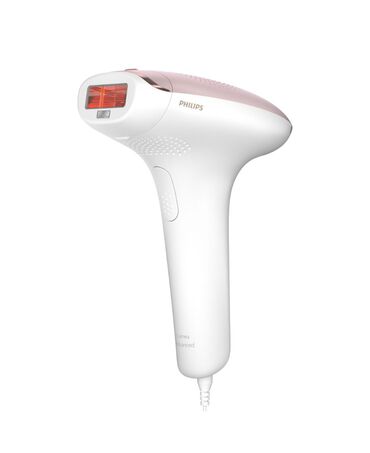
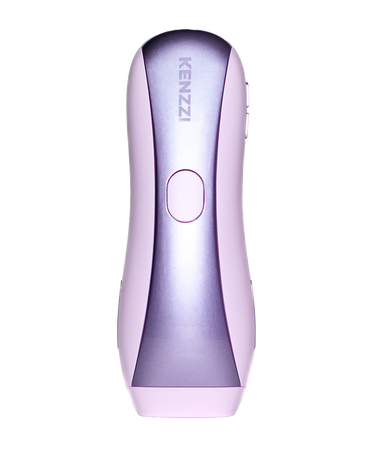
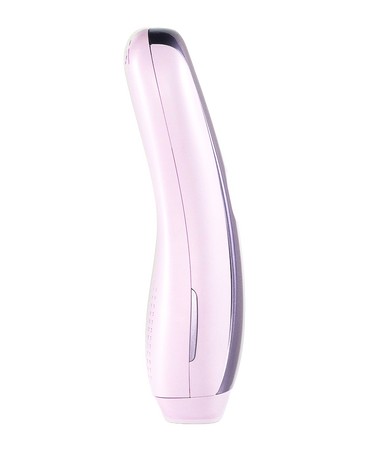
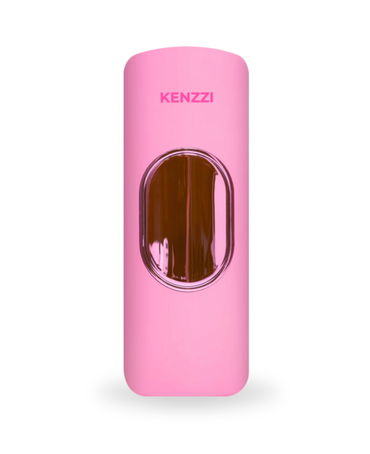
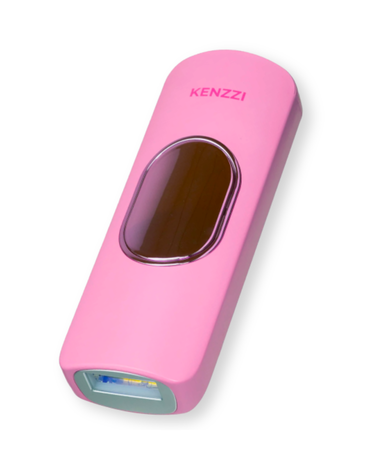
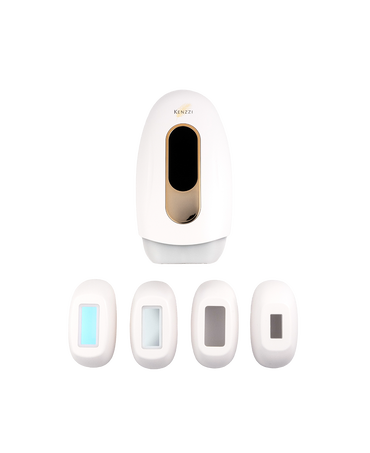
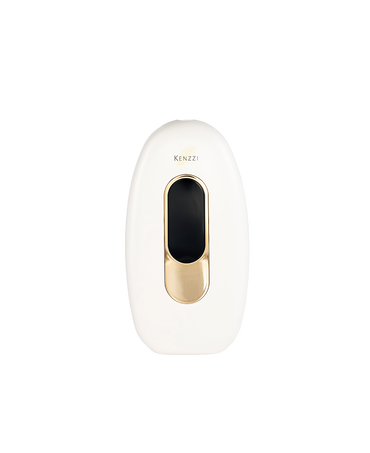
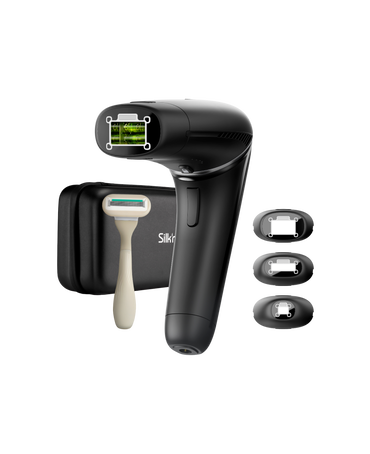
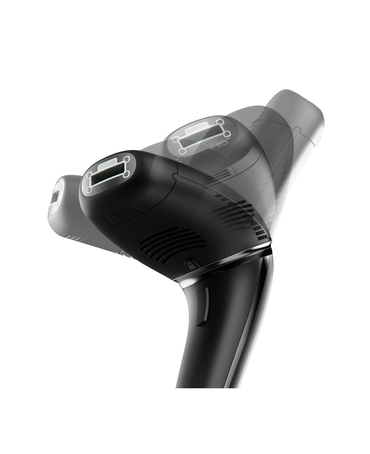
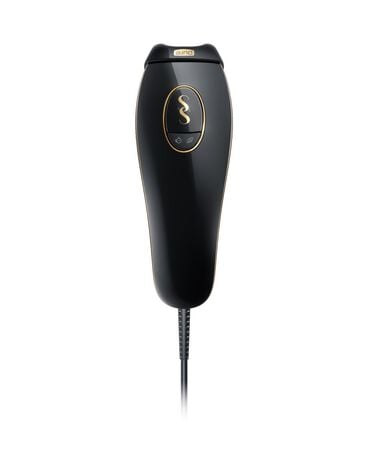
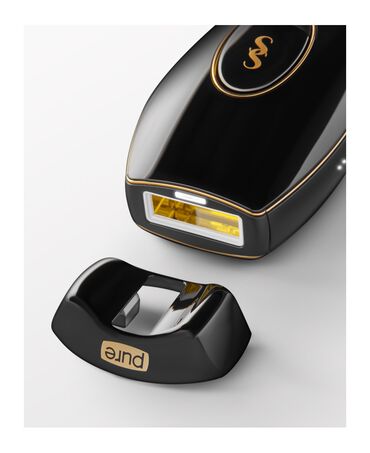
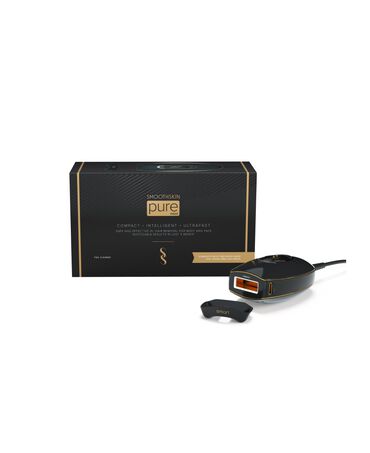
Not all IPL devices are the same. When choosing one, look for features that match your routine and the areas you want to treat:
- Skin tone sensor: helps keep treatments safer and more consistent
- Speed modes / glide mode: faster sessions for larger areas like legs
- Attachments: precision heads for face, larger heads for body
- Flashes / lifespan: more flashes = longer device life
- Corded vs cordless: convenience vs uninterrupted power
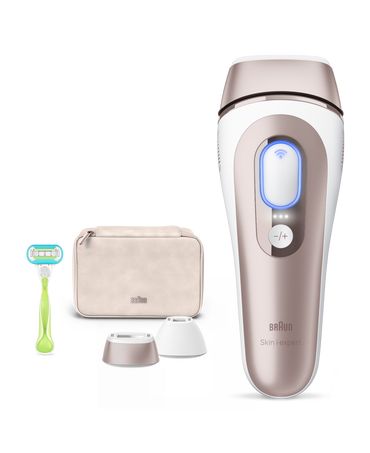
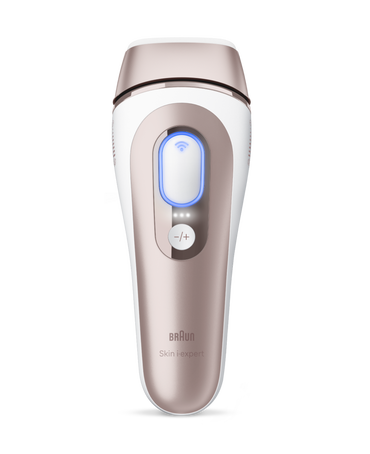
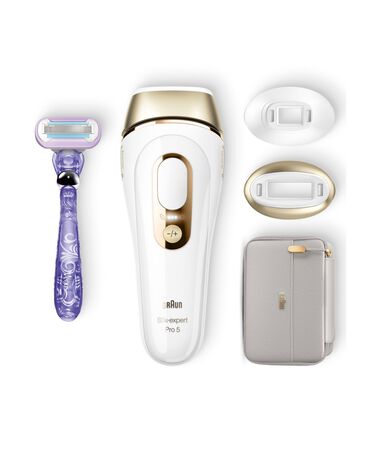
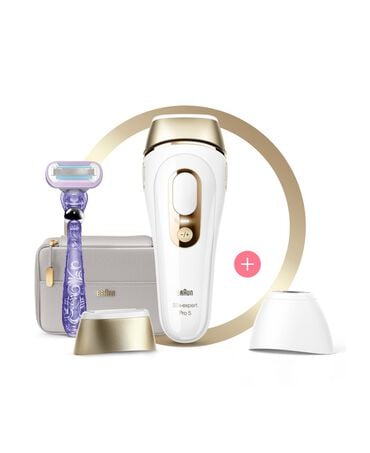
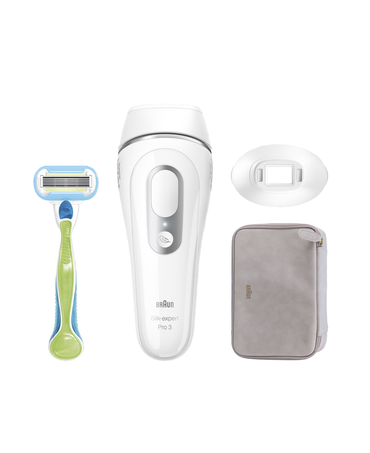
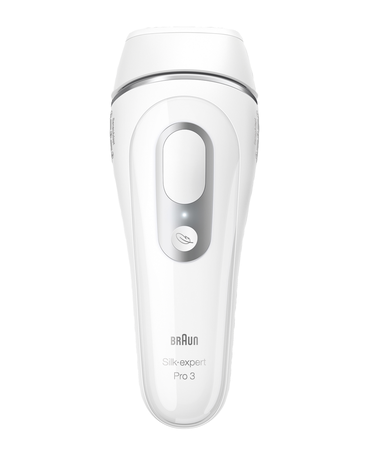
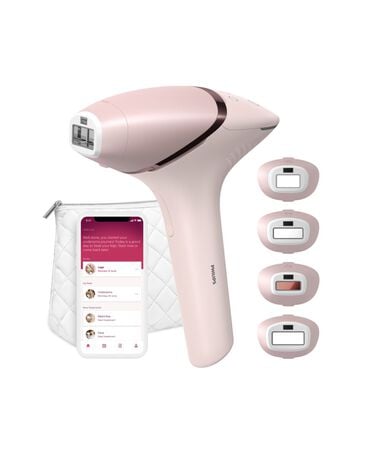
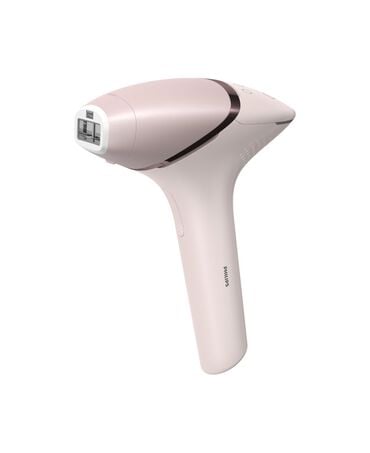
Shop IPL Hair Removal Devices

.jpg?sw=370)
Results Timeline: What to Expect
IPL isn’t instant, but it can be worth the routine to have long-lasting smooth skin. Results will vary from device to device, with better machines delivering fast, longer lasting results.
You may notice:
- Hair feeling softer and regrowing more slowly
- Patchy reduction at first (totally normal while you catch different growth cycles)
- Better results after consistent treatments over several weeks
Once you’ve reached your goal, maintenance top-ups every few months help keep things smooth.
Where Can I Use IPL?
Most people use IPL on larger areas where shaving feels never-ending, like:
- Legs
- Underarms
- Bikini line
- Arms
- Some facial areas (depending on device guidance)
Always check the device instructions for:
- Face usage rules (and which areas are allowed)
- Intimate-area guidance (what’s ok and what’s not)
Safety First: When Not To Use IPL
IPL is safe for many people when used correctly - but it’s not for everyone. Don’t use IPL if:
- Your skin is sunburnt, irritated, or broken
- You’ve recently used fake tan and haven’t removed it fully
- You’re using products or medications that make skin more light-sensitive
- You have an active skin condition or infection in the area you want to treat
Avoid treating:
- Tattoos
- Dark moles or suspicious spots
- The eye area/eyebrows
- Any area your device specifically lists as off-limits
If you’re unsure, it’s worth checking with a healthcare professional before you start.

1) Prep your skin
- Shave first (IPL works best on shaved skin - not waxed or epilated)
- Clean and dry the area
- Remove deodorant, oils and moisturiser before treating
2) Start low, build up
- Begin on a lower intensity setting and increase gradually as comfortable
- Always do a patch test the first time (and when treating a new area)
3) Treat evenly
- Work in small sections so you don’t miss spots
- Keep the device flat against the skin and follow your device’s guidance for single flashes vs glide mode
4) Stick to a schedule
Consistency matters more than intensity. Most routines look like:
- Early phase: regular sessions over several weeks
- Maintenance: top-ups as needed to keep regrowth down
Your device will recommend the best timetable - follow that for your model.
Before & Aftercare
Before your session
- Avoid strong sun exposure and fake tan leading up to treatments
- Skip using harsh exfoliants or active skincare on the area (especially for face)
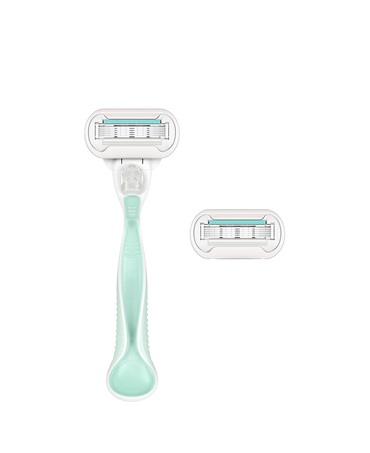
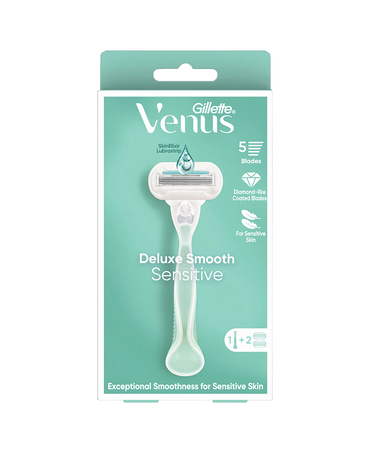
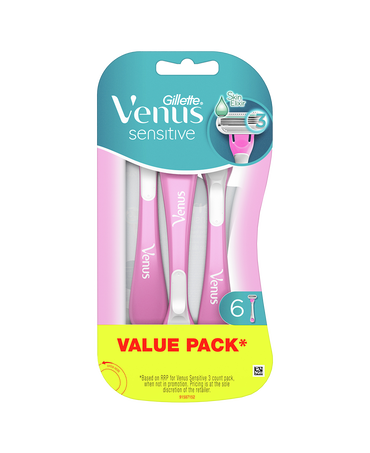
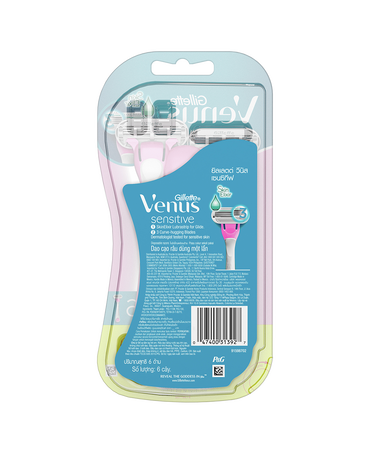
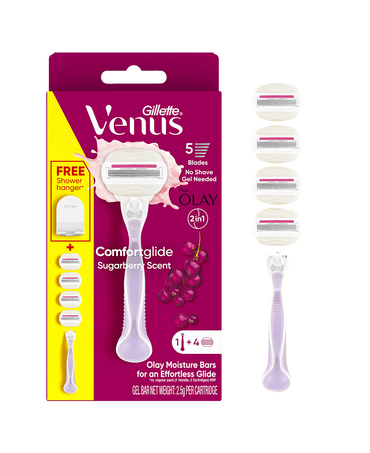
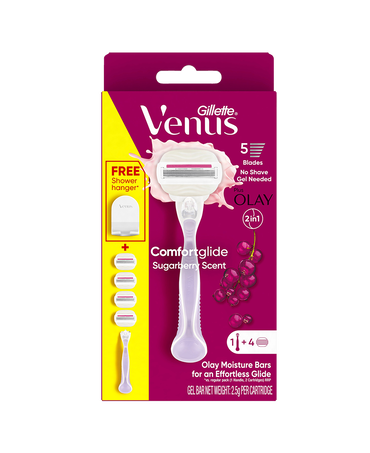
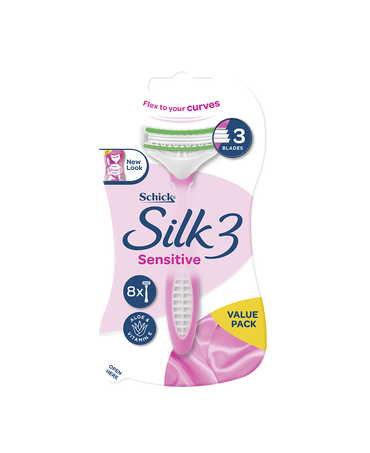
- Shave the area you're about to treat using a razor to cut the hair at skin-level
After your session
- Keep skin cool and calm - lukewarm showers, gentle moisturiser
- Avoid heat and friction for the rest of the day (hot baths, saunas, heavy workouts)
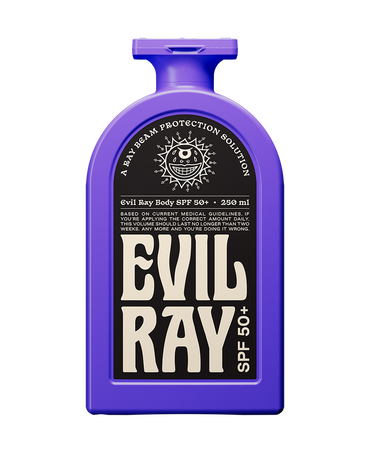
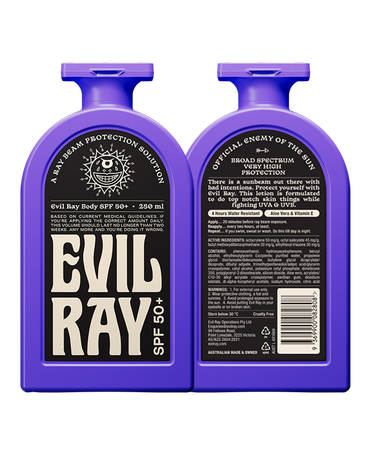
- Wear SPF on exposed areas (this is a must, even on cloudy days)
If you notice redness, that can be normal. If you experience blistering, swelling, or persistent pain, stop use and seek medical advice.
Shop Before/After IPL Care
IPL vs Laser Hair Removal: What’s the Difference?
Both IPL and laser use light to reduce regrowth, but they’re not the same.
IPL
- Uses broad-spectrum light pulses
- Designed for convenient home use
- Typically more budget-friendly long term
- Results build gradually with a routine
Laser
- Uses a focused laser wavelength
- Treatments can take longer to complete
- Often more expensive
- Can be a better fit for some skin tones/hair types depending on the clinic’s technology
If you want the ease of doing it yourself, IPL is a popular choice - especially for legs, underarms and bikini line maintenance.

Does IPL hurt?
Most people describe it as a quick warm flick or snap - like a tiny elastic band. Lower settings feel gentler, and comfort tends to improve as regrowth reduces.
Is IPL permanent?
IPL is designed for long-term hair reduction, not guaranteed permanent removal. Results vary, and maintenance is usually needed.
Can I use IPL on my face?
Some devices are suitable for certain facial areas, while others aren’t. Always follow your device instructions, and never use IPL around the eyes or on eyebrows.
Can I use IPL on intimate areas?
Many people use IPL for bikini line hair, but “intimate areas” can mean different things. Follow the device guidance carefully and avoid any areas listed as not suitable.
Why does hair look like it’s still growing after IPL?
Early on, it can look like normal regrowth - but often the hair is loosening and will shed naturally over time. Consistency is key.
Can I use IPL in summer?
You can, but you need to be extra careful with sun exposure. IPL + tanning don’t mix well - keep treated areas protected with SPF and follow your device’s sun-exposure guidance.
Troubleshooting
“I’m not seeing results yet.”
Double-check you’re following the schedule, shaving before sessions, and using a suitable intensity setting for your comfort and device guidelines.
“My skin feels irritated.”
Stop and allow skin to settle. Restart on a lower setting, patch test again, and make sure you’re not treating sun-exposed or sensitised skin.
“I’m missing spots.”
Treat in small sections and use a consistent pattern. A quick mirror check (or marking a grid mentally) can help.