There's a lot of tech-talk and sales pitches out there to keep you from your perfect dryer. This guide cuts through it all, so you can walk away knowing exactly what suits your hair, your routine, and your budget.
How a hair dryer actually works
The mechanics are simple. A motor pulls air in through the back of the dryer, a heating element warms it up, and a nozzle directs that warm air onto your hair. As warm, fast-moving air passes over wet hair, water evaporates from the cuticle and your hair dries.
The quality of a hair dryer comes down to how well it manages that process. A better dryer moves more air, distributes heat more evenly, and gets you to dry hair faster. That means less time exposed to heat, and hair that stays in better condition over time.
Two dryers might look similar on the outside but feel completely different in your hand. The difference sits in the motor, the way the heat is regulated, and the airflow through the nozzle.
What separates a good hair dryer from a great one
A few small things make all the difference once you're using a hair dryer every day. These are the ones to pay attention to.

The motor
The motor is the heart of any hair dryer. Entry-level models use AC (alternating current) motors - reliable, but bulkier and slower. Premium dryers use digital or brushless motors (usually DC, direct current), which spin faster, push more air, and weigh much less. You'll feel the difference in your hand and see it in the dry time.

Heat control
Cheaper dryers tend to run hot with limited options. Better dryers offer multiple heat and speed settings, so you can rough dry on high and finish on low without scorching your scalp or over-drying the ends.

Even heat distribution
Hot spots cause damage. A premium dryer spreads heat evenly across the airflow, so no single section of hair takes the brunt.

A proper cool shot
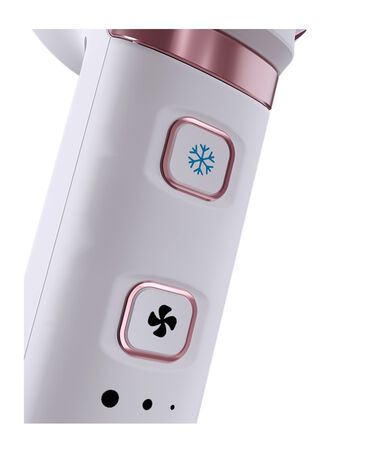
That cool button is more than a gimmick. A blast of cool air at the end of styling locks the cuticle flat, which is what gives hair the smooth, polished finish you get from a good blow-out. It also cools the hair rapidly, which locks the style in place.

Weight and balance
A heavy dryer feels fine in the shop. After three minutes of styling, you'll feel every gram. Lighter, well-balanced dryers are easier to manoeuvre and won't tire your wrist when you're styling longer hair.

The main types of hair dryer technology
Most modern hair dryers use a combination of these technologies rather than just one. Here's what each one actually does, and what you'll notice from it.
Ionic
Releases negatively charged ions that break down water droplets faster. The result is a shorter dry time and noticeably less frizz.
Ceramic
Ceramic components spread heat more evenly across the airflow. No hot spots, no scorched patches. A good fit for fine or fragile hair that overreacts to strong heat.
Tourmaline
A gemstone that releases ions and infrared heat when warmed. Often paired with ceramic for extra smoothness and a glossier finish on long hair.
Infrared
Warms the hair from inside rather than blasting heat from the surface. Hair dries faster at a lower surface temperature, which is gentler on the cuticle over time.
Digital motor
The new generation of premium dryers. Faster, lighter, longer-lasting, and quieter than traditional AC motors. They tend to be slightly more expensive, but the daily experience is on another level.
Hot air brush
A hybrid styler that combines a hair dryer with a brush in one tool. Dries and styles in a single motion, so you skip the separate brush step. Popular for at-home blow-outs.
Matching a hair dryer to your hair
The "best" hair dryer depends entirely on what's growing on top of your head. Here's a quick guide on what to look for, depending on your hair type.

Afro or coily hair
Power matters here too, but so does the comb attachment. A pick or comb attachment stretches the hair as you dry, giving a smoother, fuller finish without the tension of a brush blow-out.

Coloured or chemically treated hair
Heat fades colour faster. Choose a dryer with strong heat control, ionic or infrared technology, and a reliable cool shot. The goal is to dry effectively at the lowest comfortable temperature.

Curly or textured hair
A diffuser attachment is non-negotiable. It spreads airflow so curls dry in their natural shape rather than being blown apart. Look for a dryer that comes with a diffuser and offers a low-heat, low-speed setting.

Fine or thin hair
Too much heat or airflow tangles and flattens fine hair. Look for a lower-wattage dryer or one with adjustable heat and speed, so you can choose a gentler combination. Ceramic and ionic both work well.

Damaged or fragile hair
Same principles as coloured hair, but lean even harder on lower-heat settings. An infrared or ceramic-ionic combination will give the gentlest dry.

Thick, coarse or long hair
You need power. A high-wattage AC dryer or a digital motor will cut your drying time dramatically. Ionic technology becomes a real bonus - it tames the frizz that often comes with longer dry sessions.
Understanding wattage (and why it isn't everything)
Wattage tells you how much power the dryer pulls, not how well it dries. A 1500W AC dryer and a 1500W digital dryer are not the same machine - the digital motor will outperform the AC dryer on every front.
As a rough guide:
- 1200-1500W: entry-level and travel dryers
- 1500-1800W: mid-range AC dryers, fine for most hair types
- 1800-2200W: full-power AC dryers for thick or long hair
- Digital/DC/Brushless motors: lower wattage on paper, but stronger airflow and faster drying. Plus, they tend to last longer.
Don't fixate on the wattage number alone. Look at the motor type, how the dryer feels in your hand, and how well it controls heat. Those three things matter far more than the wattage on the box.
Hair dryer attachments and what they do
The attachments that come with a hair dryer change what it can actually do. Most dryers ship with one or two - here's what each one is and when to reach for it.

Concentrator nozzle
The flat, narrow attachment. It focuses the airflow into a tight stream so you can direct heat onto a single section of hair. Use it for blow-drying straight, smoothing the ends, or styling a fringe with precision.

Diffuser
The wide attachment with prongs that look like fingers. It spreads the airflow across a larger area at lower pressure, so curls and waves dry in their natural shape with more bounce and definition. Essential for textured hair, useful for adding volume to fine hair.

Comb or pick attachment
Common on hair dryers aimed at thick, coily, or Afro-textured hair. The teeth stretch the hair as you dry, smoothing the cuticle and giving a fuller, straighter finish without the strain of a round brush.

Styling brush attachments
Some hair dryers come as full styling tools with a built-in barrel brush. You get a blow-dry and a brush-out in one motion, which is why they've become so popular for at-home styling. Look for these if your routine is usually dryer plus brush plus straightener.
How to dry your hair without damaging it
A premium hair dryer protects your hair, but technique matters just as much as the tool. The same dryer in two different sets of hands will give two different results.
- Towel-dry gently first. Squeeze water out, don't rub.
- Apply a heat protectant through damp hair, from mid-lengths to ends.
- Rough-dry on a medium-to-high setting until your hair is mostly dry but still slightly damp.
- Switch to a concentrator or diffuser for the final styling pass.
- Keep the nozzle around 15-20cm away from your hair.
- Direct the airflow down the hair shaft, from root to tip, to smooth the cuticle.
- Finish with the cool shot to lock the style in place.
Two small habits do most of the heavy lifting: keep the dryer moving, and finish cool. Both protect the cuticle and keep your hair looking smoother for longer between washes.
Caring for your hair dryer
A bit of maintenance keeps your dryer working at full strength for years. Most dryers that "stop drying properly" haven't been broken - they've just got a clogged filter.
- Clean the rear filter regularly. Lint and dust build up there and choke the airflow
- Let the dryer cool down before you put it away
- Don't wrap the cord tightly around the body - it weakens the wires inside over time
- Store it somewhere dry, ideally away from the bathroom sink where steam and water can reach it
If your dryer suddenly seems weaker than usual, check the filter before assuming the worst.
When it's worth spending more
All hair dryers dry hair to varying degrees. That's not in question. The difference shows up over time, and it shows up in the details.
A premium dryer will:
- Cut your drying time noticeably, every morning
- Weigh less in your hand, so your arm doesn't tire halfway through
- Run quieter - useful if you're sharing a bathroom or styling early
- Keep your hair smoother and less frizzy across the week
- Last longer before the motor performance drops off
If you blow-dry most days, the cost per-use of stepping up is small. If you only reach for the dryer once a week, a solid mid-range model is usually plenty. The decision sits less in the price tag and more in how often you'll feel the difference.
Questions we get in store all the time
01 How long should a good hair dryer last?
A quality dryer with an AC motor will typically last around four to seven years with regular use. Dryers with digital or brushless motors can last considerably longer, since the motor doesn't wear down the same way.
02 What wattage is best for daily use?
For most hair types, anywhere from 1800W upwards gives you enough power without overdrying. If you have thick, long, or hard-to-dry hair, look for closer to 2000W — or step up to a digital motor, where wattage matters less than airflow.
03 Are ionic hair dryers worth it?
For most people, yes. The reduced frizz and shorter dry time are noticeable from the first use, especially in humid weather. Ionic technology is particularly useful for long, thick, or frizz-prone hair.
04 Can a hair dryer damage your hair?
Any heat tool can if it's used poorly. Use a heat protectant, keep the dryer moving rather than holding it in one spot, finish with cool air, and avoid the highest heat setting unless you really need it. Good technique matters as much as the tool.
05 What's the difference between ionic and ceramic hair dryers?
Ionic refers to the negatively charged ions a dryer releases, which break down water droplets on the hair faster. Ceramic refers to how heat is distributed across the airflow, giving a more even, gentler dry. The two often appear together in the same dryer and complement each other well.
06 Do I really need a diffuser?
If you have curls, waves, or natural texture you want to keep, yes. A diffuser spreads the airflow so your curls dry in their natural shape rather than being blown apart, giving more definition and less frizz.
07 Can I use a hair dryer on wet hair straight out of the shower?
Towel-dry first. Hair is at its most fragile when soaking wet, and blasting it with heat can stretch and weaken the strands. Squeeze excess water out, apply a heat protectant, then rough-dry from there.
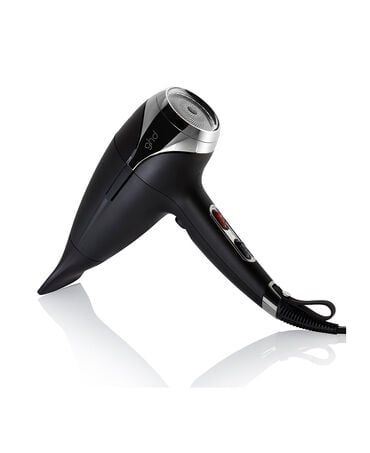
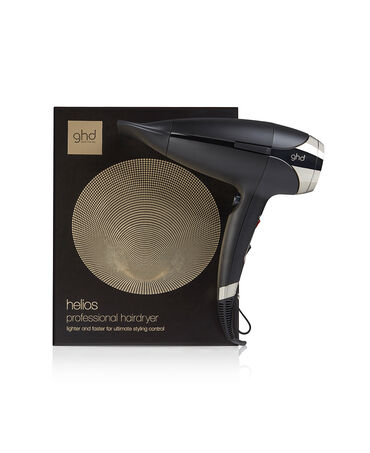
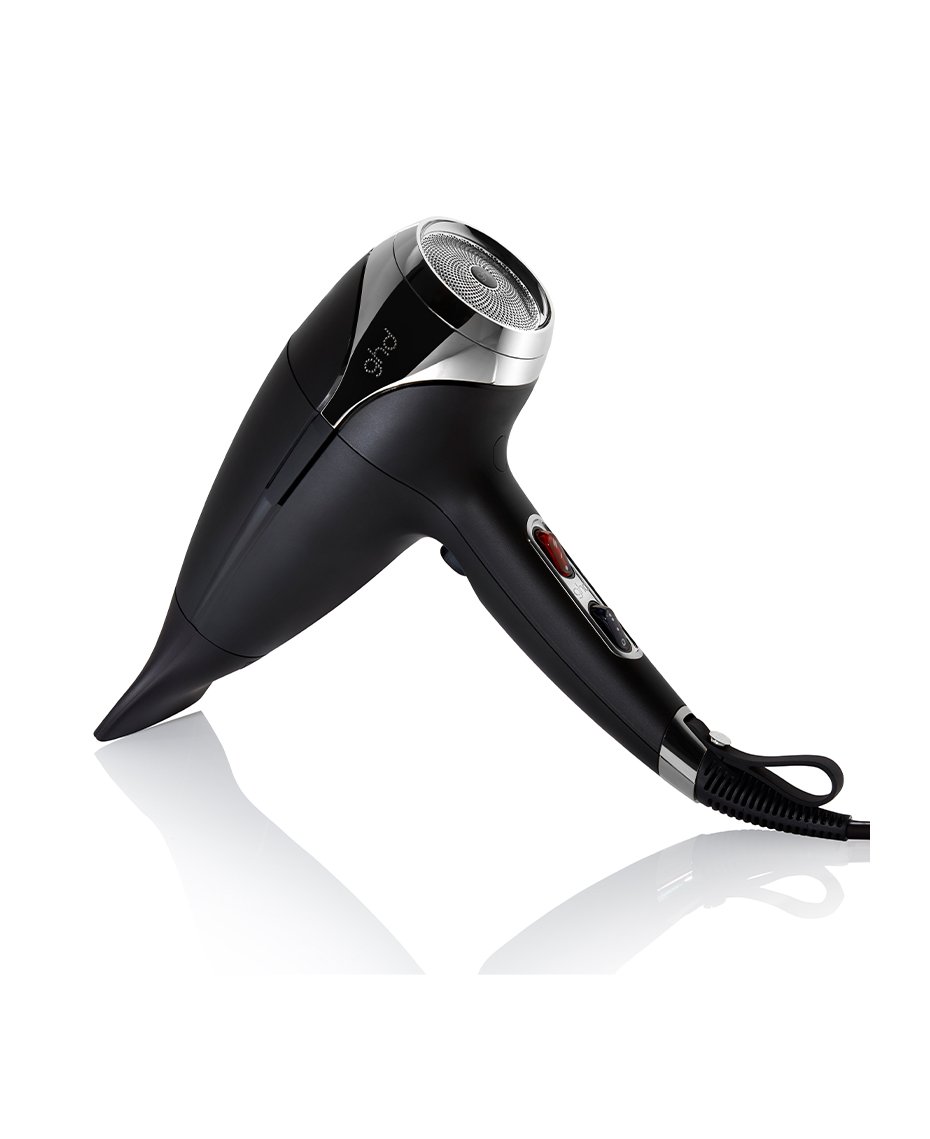
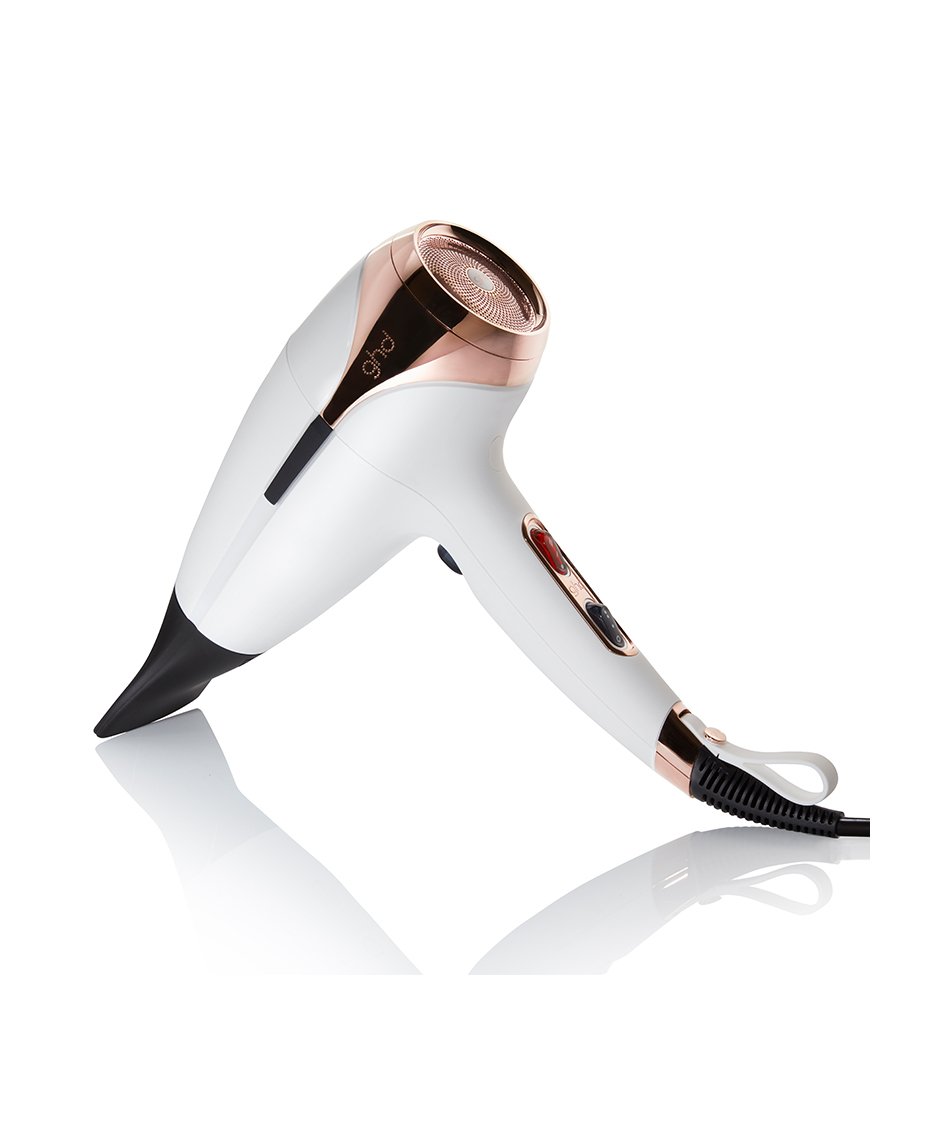
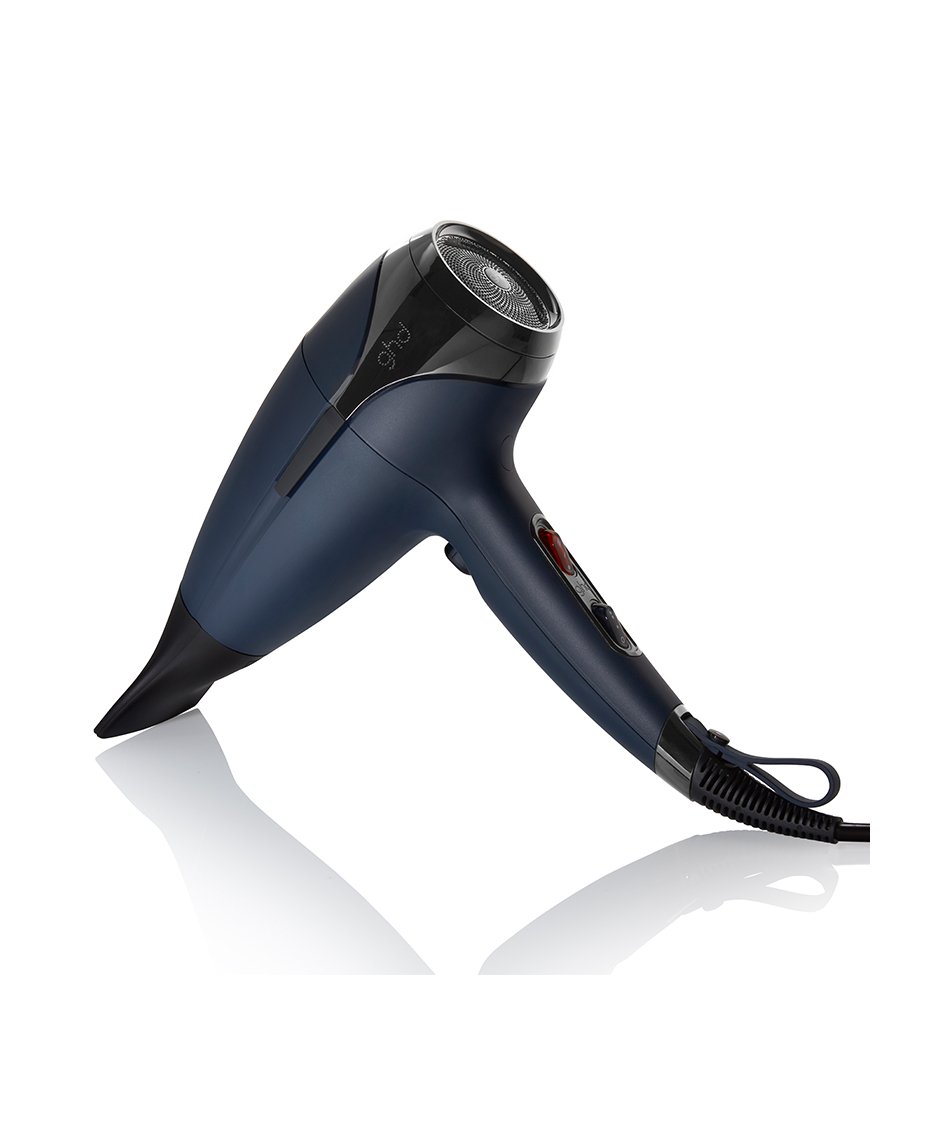
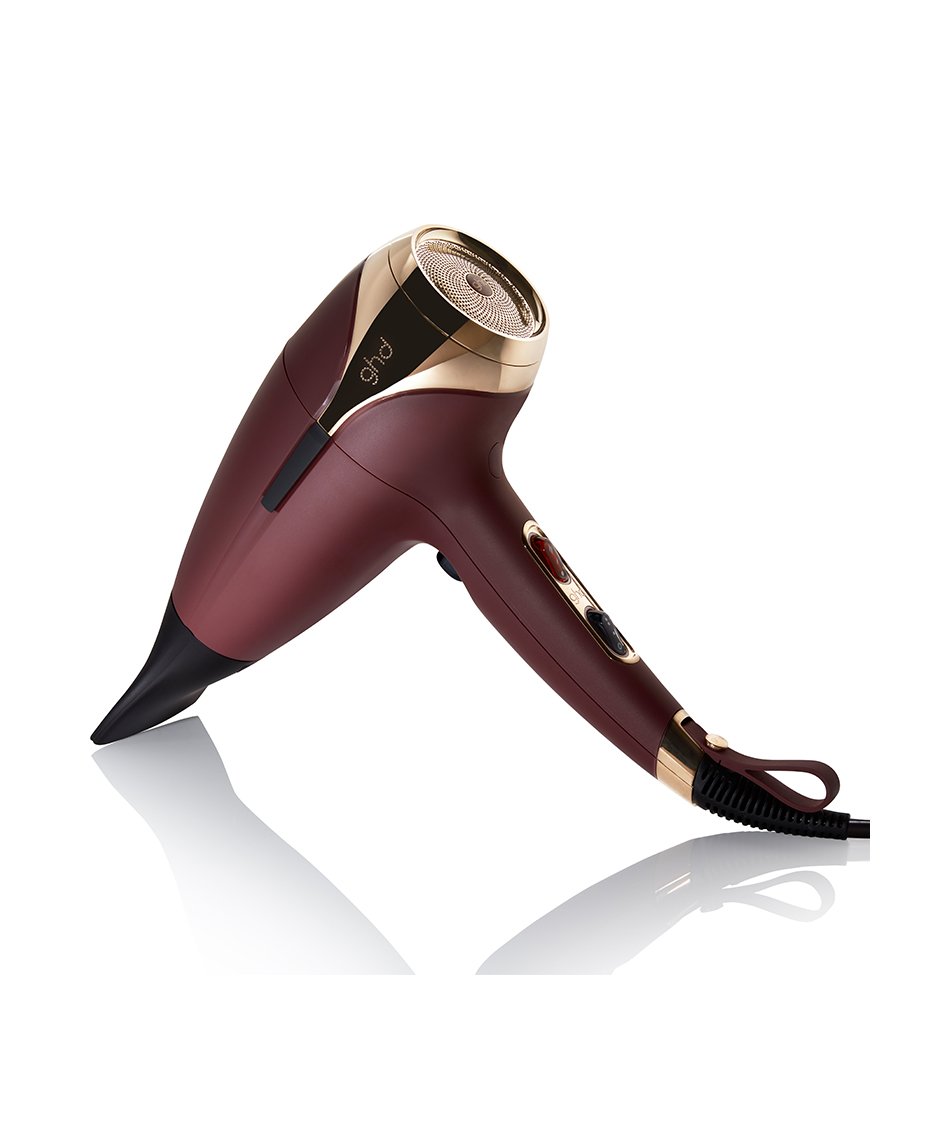
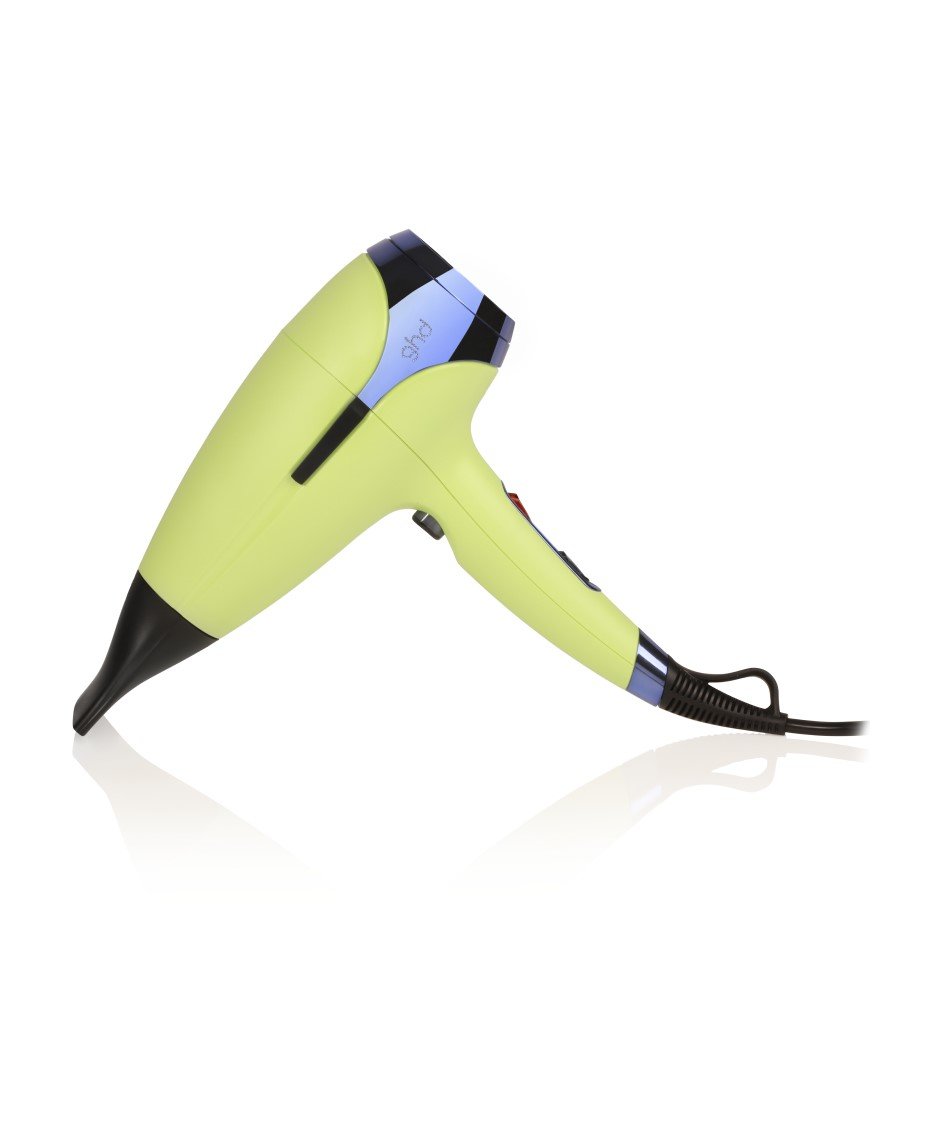
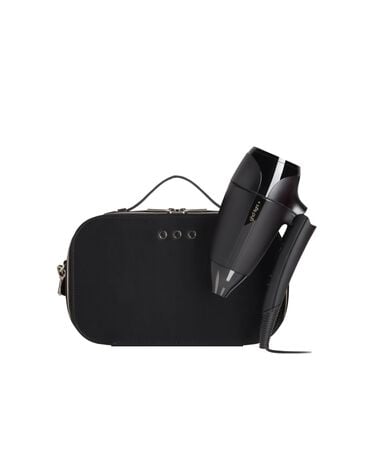
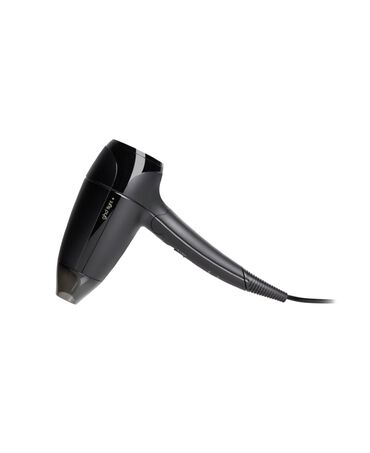
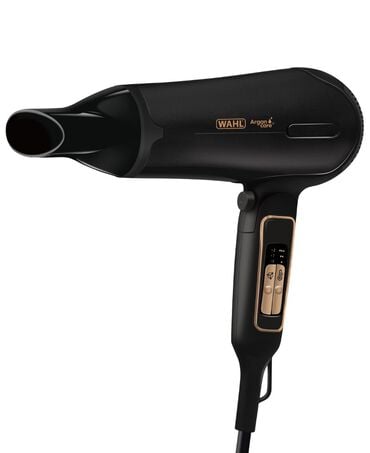
Our Hair Dryers
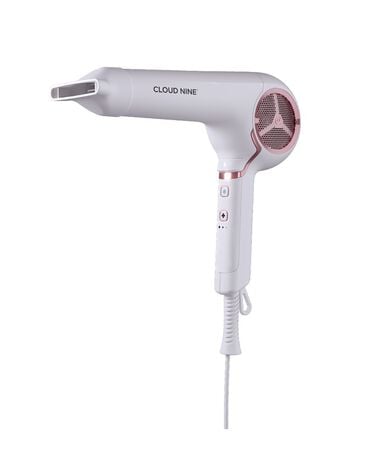
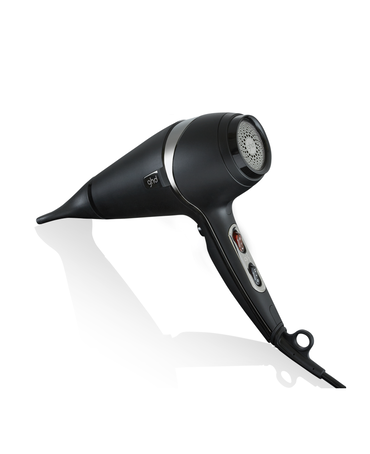
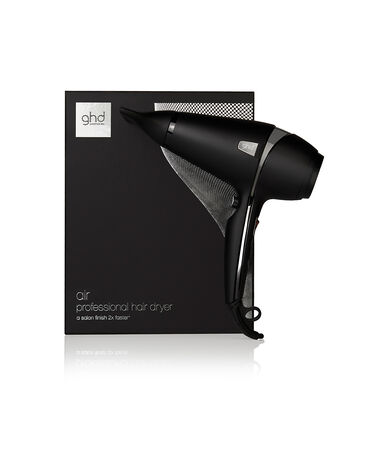
We've carefully curated our range of hair dryers to cater to a wide range of hair types, styling options and budgets.

.jpg?sw=370)


.jpg?sw=370)

.jpg?sw=370)

.jpg?sw=370)
.jpg?sw=370)
.jpg?sw=370)
.jpg)
.jpg)