


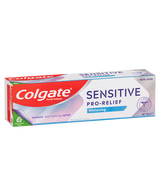
"We believe you deserve a life that's free from tooth sensitivity. That's why helping you to get instant^ relief and lasting^^ protection matters to us - because we're here to keep you smiling.
How does Colgate Sensitive Pro-Relief Whitening toothpaste work?
- It works by plugging the channels that lead to sensitive tooth nerves, to block the pain
- With regular use, it builds a long-lasting protective barrier that acts like a seal against sensitivity
Colgate Sensitive Pro-Relief Whitening Toothpaste:
- Has a low abrasive formula that gently and effectively removes stains, helping to restore the natural whiteness of your teeth
- Removes plaque with brushing and prevents tartar build-up
- Strengthens tooth enamel and protects against cavities
Where does sensitive tooth pain come from?
- Receding gums and damage to your enamel can expose thousands of microscopic channels which lead to your tooth's nerve centre
- When your teeth make contact with something hot, cold or sweet, sensations are carried down these channels directly to the nerves, causing teeth pain
Colgate Sensitive Pro-Relief Toothpaste is vegan, sugar free, gluten free and responsibly made*
Pack Size: 110g
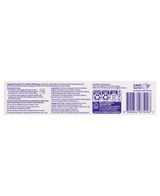
For the relief of sensitive teeth. ALWAYS READ THE LABEL AND FOLLOW THE DIRECTIONS FOR USE. Do not swallow. Do not use in children 6 years of age or less. For children 7 to 12 years of age, use only on the advice of a dentist or doctor. Sensitive teeth may indicate an underlying problem that may need prompt care by a dentist if pain persists.
^For instant relief, apply directly to each sensitive tooth with finger tip and gently massage for 1 minute, up to twice daily. ^^For lasting relief, apply to a gentle toothbrush making sure to brush all sensitive areas of teeth and brush twice daily. *our products are made at Colgate-Palmolive facilities that are increasing energy and water efficiency, driving towards zero waste, striving for no workplace accidents, and adhering to ethical labor practices ***J Clin Dent 20 (Spec Iss): p.115-122, 123-130, 131-136, 2009 (Research sponsored and funded by Colgate-Palmolive)